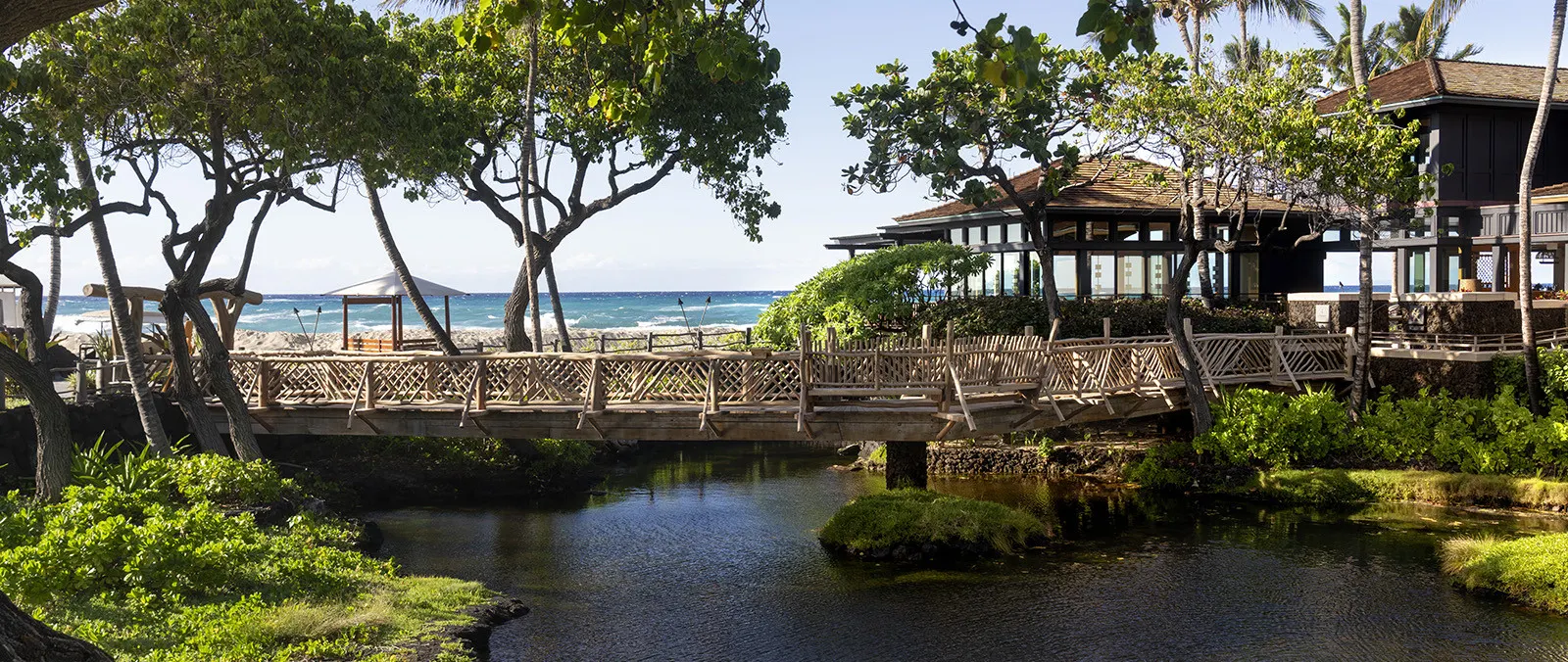
An anniversary programme with a culinary purpose
Four Seasons Resort Hualālai announced a 2026 Chef in Residence programme as part of its thirtieth anniversary, bringing visiting culinary figures back to the Hawaii Island property for a series of special occasions. The original February announcement described appearances by Edward Lee, Tyler Florence and Andy Ricker, each contributing a different culinary perspective while drawing on ingredients and traditions linked to the island. The programme included dates across the year, many of which are now in the past, so the story is best understood as an exploration of the resort's anniversary dining concept rather than a guarantee of current reservations with these chefs. For owners and guests of luxury yachts between 12 and 23.99 metres, the appeal lies in how hospitality can become an introduction to local produce and regional food culture. A special dinner is valuable when its visiting talent enhances understanding of the destination rather than simply supplying a famous name.
Thirty years of hospitality as a starting point
An anniversary can encourage a resort to revisit the relationships and ideas that shaped its identity. Four Seasons Hualālai used its thirtieth year to welcome chefs who had previously connected with the property, suggesting a programme built around continuing relationships rather than one-off appearances without context. The official release emphasised local ingredients, Hawaiian flavours and the perspectives brought by individual cooks. These are broad intentions, but they provide a useful framework for evaluating such events. A visiting chef may bring techniques developed elsewhere while working with produce and suppliers the resort already knows. The strongest result requires attention to both sides of that exchange. A menu that could have been served unchanged in any city would miss an opportunity to reflect the island. The challenge is to make creative collaboration feel rooted in the place where guests have chosen to travel.
Edward Lee and two February evenings
The resort listed Edward Lee for dinners on 18 and 19 February 2026, describing his interest in relationships between Southern American and Asian cooking. His approach can create interesting combinations because flavours and techniques travel across cultures while remaining associated with particular personal experiences. The programme was presented as an opportunity to connect that perspective with Hawaiian produce, seafood and regional specialities. Those dinner dates have passed and should not be advertised as upcoming. The useful story is how a chef's established identity can be placed in dialogue with a different landscape. A guest should not assume that every ingredient in such a menu is locally grown or that fusion automatically creates an authentic regional dish. Good collaboration requires clarity about provenance and respect for the people whose food traditions inform the work.
Tyler Florence and the paniolo tradition
The announcement also described a series of Paniolo Dinners led by Tyler Florence, scheduled for March 2026. Paniolo refers to Hawaii's ranching and cowboy traditions, an aspect of the islands' history that international visitors may know less well than beaches or surfing. The dinners drew on open-air, live-fire cooking and the character of the resort's steakhouse offering. This is an example of how a luxury venue can introduce a cultural subject through food, although a formal dinner cannot convey the whole history of ranching communities. Visitors interested in that background may wish to learn from local historians, guides or cultural organisations as well as enjoy the meal. The use of flame and outdoor settings should be understood within the restaurant's professional safety arrangements. A yacht owner inspired by the menu should not attempt unsuitable open-fire cooking on a vessel simply to reproduce a shore-based event.
Andy Ricker and the exchange of flavours
Andy Ricker's announced residency extended from late July into the beginning of August 2026, with the programme drawing on his long-standing interest in regional Thai cuisine. The opportunity to work with Hawaiian herbs, produce and seafood offers a different starting point from recreating a fixed restaurant menu. Yet such combinations require sensitivity. A dish inspired by Thai traditions should be described accurately rather than presented as a historic Hawaiian preparation simply because it is served on the island. The collaboration can be rewarding when guests understand the difference between the visiting chef's culinary background and the local ingredients used. Some travellers may enjoy comparing these influences, while others are more interested in a relaxed meal in a beautiful setting. Good service should make both forms of enjoyment possible without turning the dinner into an academic exercise.
Ingredients as a link with the island
The press release repeatedly refers to the abundance of produce and seafood available to the resort's kitchens. Such language is appealing, but its credibility depends on real sourcing practices and the willingness to explain where food comes from. A chef may use an island-grown fruit or herb as the centre of a dish, while another ingredient must be imported for technical or seasonal reasons. Guests should not assume that every component is locally produced. The more valuable approach is transparency about what is available and why a particular combination has been chosen. For yacht travellers, this principle applies to provisioning as well. A private chef can build a destination-inspired meal around ingredients available from reputable local suppliers, without claiming that every dish is a traditional recipe. The relationship between place and food becomes stronger when it is expressed honestly.
A series rather than one signature dinner
The anniversary programme included several distinct residencies rather than one evening intended to carry the entire celebration. That structure allows a resort to introduce different culinary personalities across the year, but it also means that a traveller's experience depends on the dates chosen. A guest visiting outside the announced periods should not expect the visiting chefs to be present. The resort may continue to offer excellent food through its resident team, yet that is a different experience from a temporary collaboration. Accurate editorial reporting should preserve this distinction. For owners planning a yacht voyage around an event, timing needs to be confirmed early and coordinated with flights, accommodation and any marine arrangements. A chef dinner can provide a wonderful focal point for a holiday, but it should not become the sole reason for a rigid itinerary that cannot adapt to changing conditions.
The expertise of the resident kitchen
A visiting chef receives much of the publicity, while the resident team often handles the practical demands of sourcing, preparation and service in a familiar environment. Their knowledge of local ingredients and the property's facilities can be essential to a successful collaboration. The official release frames the anniversary as a celebration of Hualālai's established culinary identity, which suggests the resident operation remains central. It would be misleading to infer that a guest chef personally prepares every plate or changes all kitchen practices during a short residency. The strongest collaborations respect the ongoing work of the people who serve guests throughout the year. Travellers can appreciate famous culinary talent while recognising the skills required to maintain high standards during ordinary service. In luxury hospitality, consistency and care are often more valuable than the temporary presence of a well-known individual.
What yacht owners can take from the programme
Private yachts may employ chefs with diverse culinary backgrounds, and guests sometimes request special meals tied to a destination or celebration. The Hualālai approach offers a useful model: start with the place, identify an appropriate culinary perspective and create an experience that allows the two to connect. A yacht does not need a famous guest chef to achieve this. Working with knowledgeable local suppliers and treating ingredients with respect may be sufficient. At the same time, a chef aboard a smaller vessel works within storage, preparation and safety constraints that differ from those of a resort. An ambitious open-fire dinner or elaborate multi-course tasting may be impractical. The better lesson is to choose a clear idea and execute it well. Guests tend to remember a coherent occasion, not the number of techniques attempted in one evening.
A more considered form of culinary travel
Visitors who travel specifically for food may be interested in the people behind a menu, the origin of ingredients and the reasons a chef uses certain methods. A temporary residency can encourage those conversations, particularly when the visiting cook is willing to explain how the destination influenced the work. But the experience should also remain enjoyable for guests who simply want to share a meal with friends or family. The most successful luxury dining respects both curiosity and leisure. A resort's anniversary offers a natural reason to organise something distinctive, yet a programme becomes meaningful through the quality of the experience rather than its branding. Hualālai's 2026 series shows how a property can use visiting culinary perspectives to refresh the conversation around its established identity.
Planning an island stay around food
For yacht travellers interested in Hawaii Island, any hotel stay should be coordinated with the actual maritime itinerary rather than assumed to connect directly to a private vessel. The chef programme announcement does not establish berthing or tender arrangements for visiting yachts. Guests should confirm accommodation, event availability and land transport with the appropriate providers. If a programme date has passed, there may be future dining experiences, but they require current verification. A longer stay can offer time to explore different aspects of the island beyond one special meal, including cultural sites and outdoor activities appropriate to the travellers' interests. A culinary event often becomes more rewarding when it is part of a wider understanding of place rather than an isolated reservation.
An anniversary defined by collaboration
Four Seasons Resort Hualālai's 2026 Chef in Residence programme brought Edward Lee, Tyler Florence and Andy Ricker into an anniversary calendar designed around their culinary perspectives and the resort's relationship with Hawaiian produce. The official February announcement establishes the named chefs and the intended dates, while later availability must be confirmed separately. For owners and guests of 12-to-23.99-metre yachts, the significance lies in how travel can encourage a conversation between food traditions. A memorable dining experience need not claim that every component is local or that every visiting chef has transformed the destination. It can be enough to recognise the shared work of cooks, producers and hosts who bring a particular island's character to the table.
Sources and image credits
Reporting based on Four Seasons Hualalai first-party February 2026 visiting chef programme announcement.
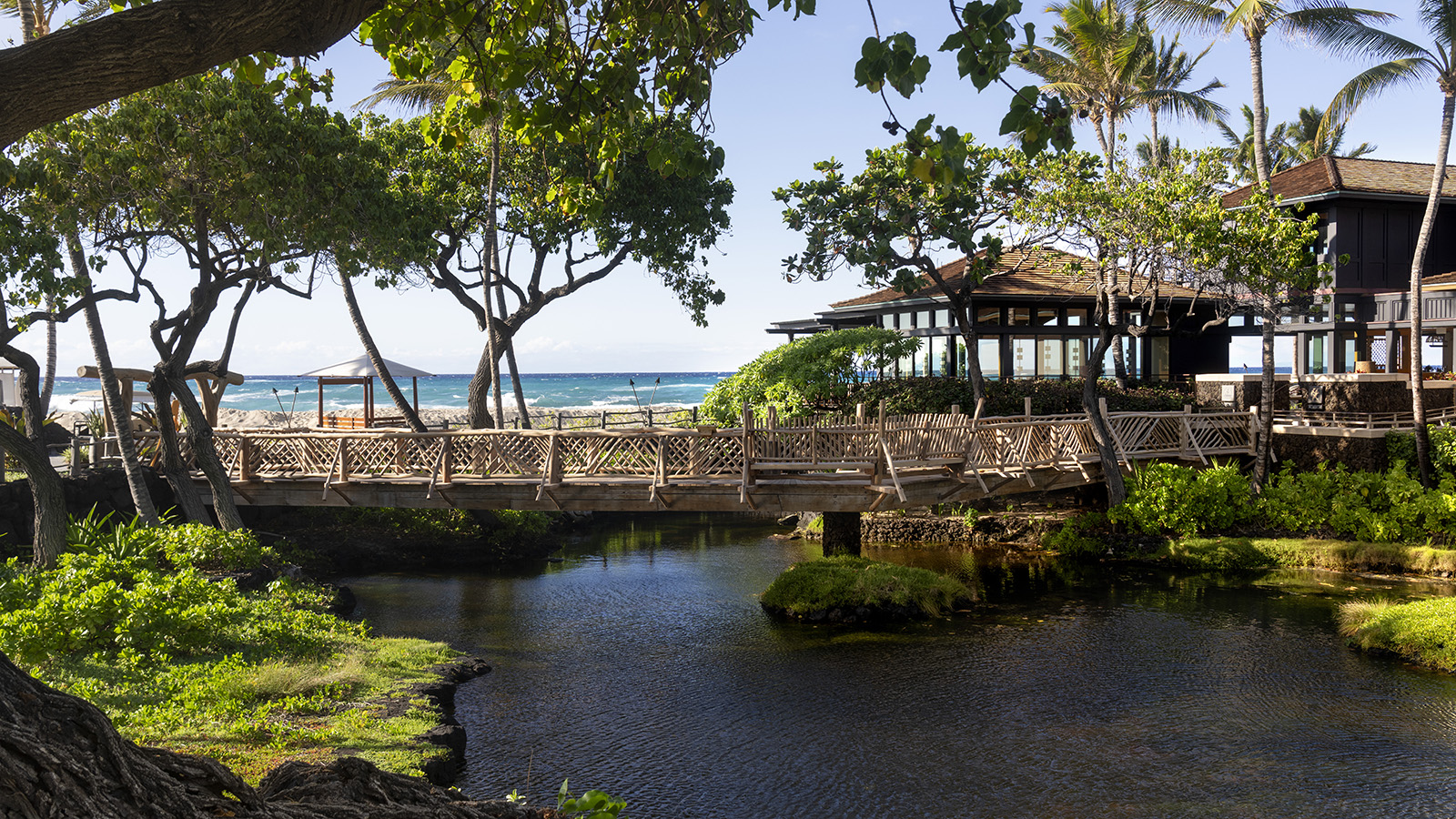
Lead photograph: Hualalai Chef-in-Residence Series Celebrates Hawaii Through Visiting Kitchens — official Four Seasons resort press photograph. © Four Seasons Hotels and Resorts / Four Seasons Resort Hualalai Original official image source.