A restaurant that moved closer to its inspiration
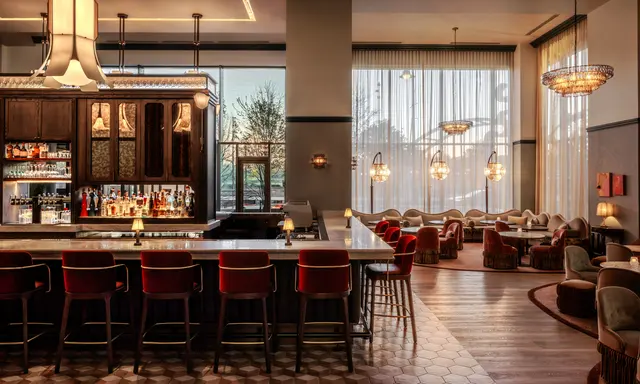
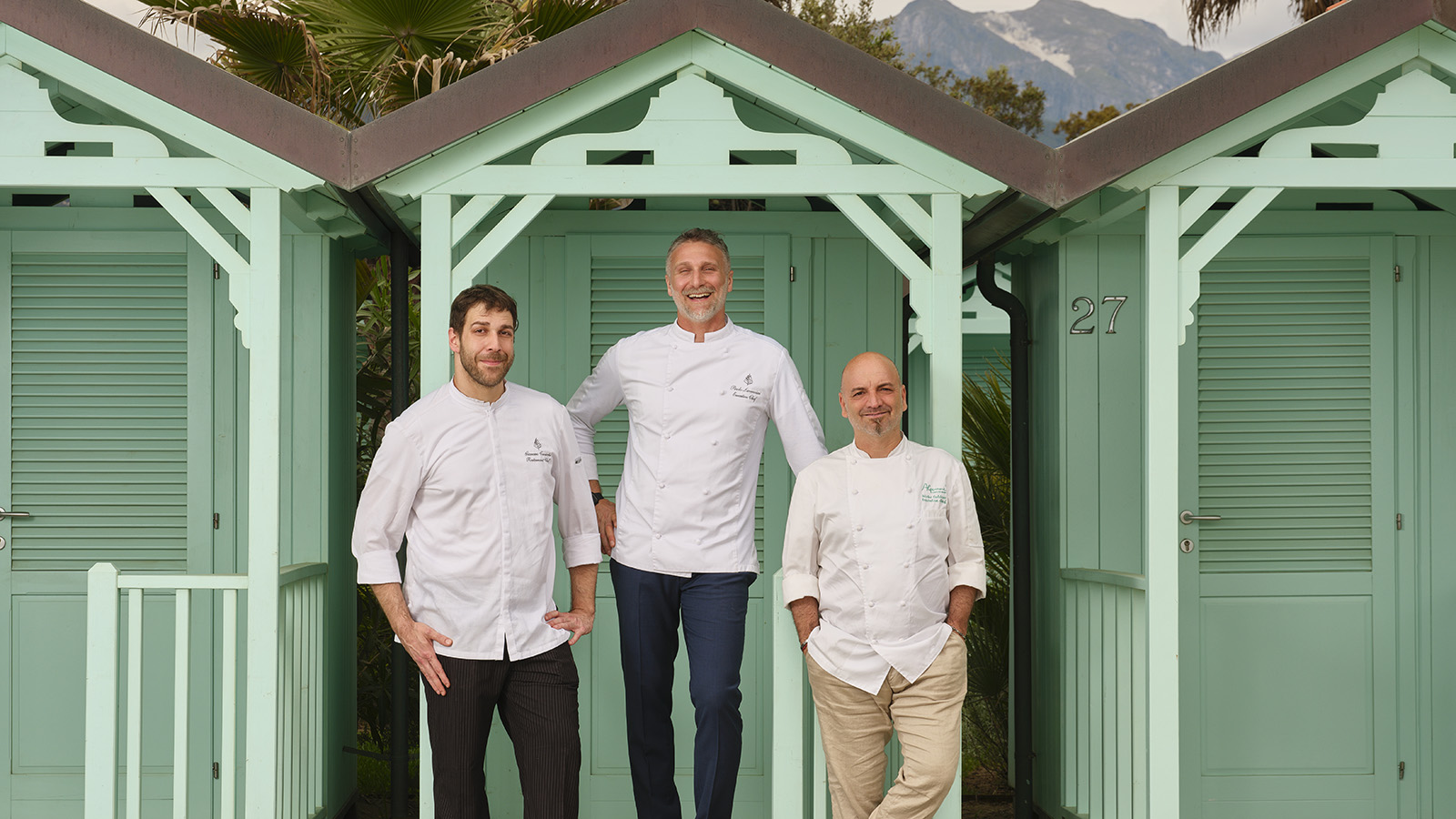
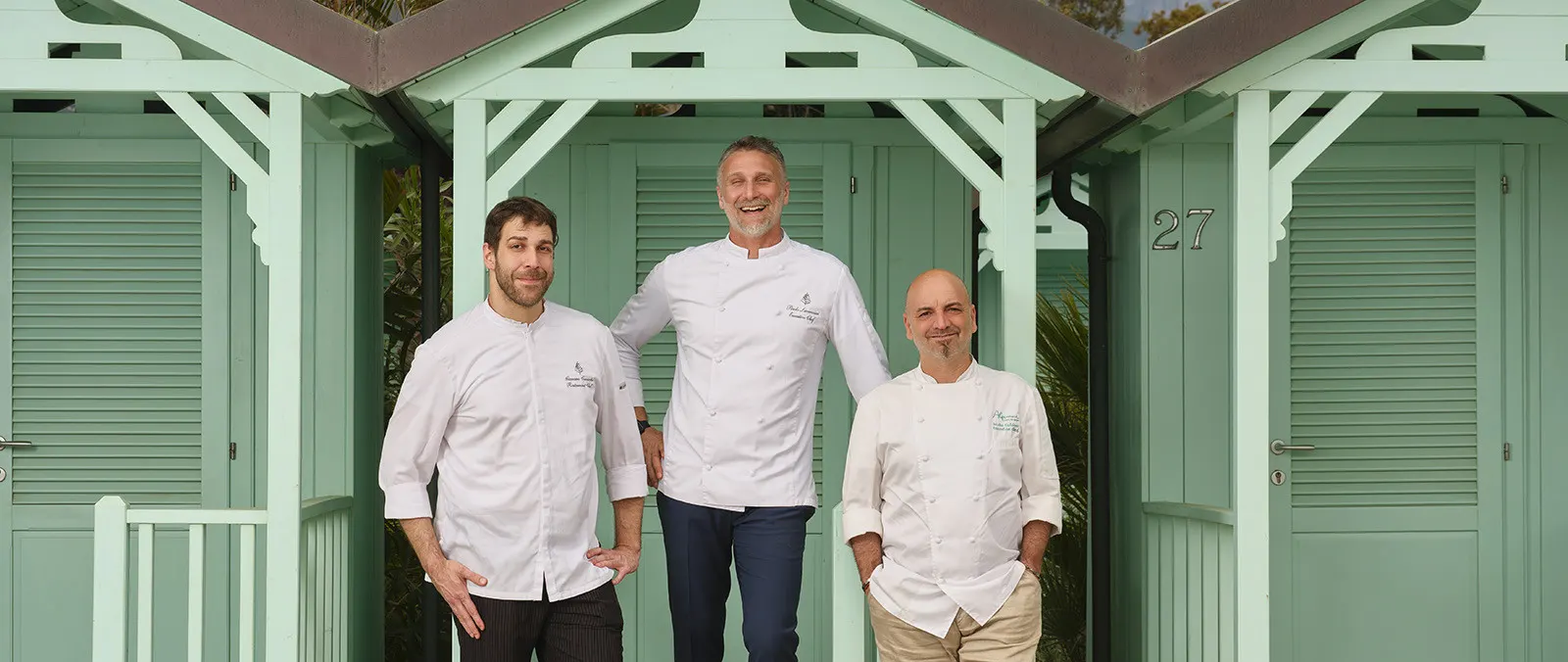
Onde, the Mediterranean restaurant at Four Seasons Hotel Firenze, travelled to Forte dei Marmi for a series of dinners at Alpemare during July and the beginning of August 2026. The official May announcement presented the collaboration as a return to the Tuscan seaside that helped inspire the restaurant's character. Executive Chef Paolo Lavezzini and Restaurant Chef Giacomo Cavicchi joined Alpemare's Chef Mirko Caldino to prepare dishes rooted in seafood, seasonal produce and the relaxed pleasure of eating near the water. The dates have now passed, so the programme should be understood as a specific summer residency rather than a currently bookable event. For owners and guests of luxury yachts between 12 and 23.99 metres, it offers an example of destination dining that can add another dimension to a coastal voyage. The most appealing idea is not culinary spectacle, but the combination of skilled cooking, a particular shoreline and the time to enjoy both.
Florence and the coast have different rhythms
Florence is associated with art, architecture and urban dining, while Forte dei Marmi has a different identity shaped by beaches and the atmosphere of the Tuscan coast. Moving a restaurant's cuisine between these settings changes how guests encounter it. A dish that feels polished and carefully framed in a city dining room may seem more relaxed when served outdoors near the sea. The chefs must balance the original restaurant's character with the local environment rather than assume an identical presentation will work in both places. Onde's press release emphasised a convivial style, suggesting that the food was designed to encourage conversation and sharing. This may be particularly attractive to a group arriving from a private yacht, where meals are often social occasions rather than formal dining rituals. The setting can influence the mood without requiring the kitchen to abandon craftsmanship.
Alpemare as the host
The collaboration took place at Alpemare, a coastal venue associated in the official announcement with Andrea Bocelli and his family. That connection contributes to the venue's identity, but it is not proof that a celebrity attended or performed at each dinner. The practical experience depended on the beach club's service team, culinary facilities and ability to host visiting chefs. A residency requires coordination between two kitchens whose routines and equipment may differ. Guests may see only a beautifully prepared table, but successful service involves sourcing, timing and careful preparation. A guest interested in food culture may appreciate learning about that collaboration rather than treating a famous association as the main attraction. The site also gives visitors a chance to encounter Forte dei Marmi through a restaurant rather than simply as a destination listed on a yacht itinerary.
The role of raw seafood
The published menu began with seafood preparations, including a signature crudo selection. Raw seafood can highlight texture and natural flavour, but it requires excellent sourcing and strict control over handling and safety. The word crudo does not itself guarantee that fish is suitable to eat raw. A responsible kitchen must follow appropriate food-safety procedures, and diners with relevant health concerns should choose carefully. The attraction is the ability to experience an ingredient with minimal visible intervention, provided the technique is correct. A chef may balance acidity, oil and seasoning to let the fish remain central. For yacht chefs preparing similar dishes aboard, the lesson is not to reproduce a restaurant menu without professional controls. It is to recognise that simplicity can demand more attention to ingredient quality than a heavily cooked preparation. Guests should feel able to ask questions about what they are served.
Paccheri and the pleasure of sharing
The official description referred to generous plates of paccheri pasta intended for the table to share. This is a different approach from individually plated formal tasting courses, creating a moment when guests serve one another and choose their own pace. Such dishes can help a meal feel relaxed while still requiring precise cooking. Pasta texture, sauce balance and serving temperature matter, particularly when food is brought from kitchen to an outdoor table. For a yacht dinner, a well-made shared pasta dish may be more enjoyable than an overly ambitious sequence that strains a small galley. The common thread is confidence in straightforward ingredients. A residency at a beach club may celebrate the social experience as much as the culinary technique, making conversation an essential part of the event rather than something that happens between courses.
Charcoal-grilled sea bass and open-fire flavour
Among the mains described by the resort was sea bass cooked over charcoal, with the skin retained to contribute texture and flavour. The appeal of this preparation is that a familiar fish can become distinctive through the management of heat. Fire must be controlled carefully, and the quality of the result depends on timing as well as freshness. A coastal setting can make the technique feel particularly appropriate, though the presence of a sea view does not say anything about the sustainability of the catch. Guests who are interested in provenance should ask about sourcing and species. Owners tempted to recreate open-flame cooking aboard a yacht should use only equipment that is properly approved for marine operation. A restaurant with a suitable outdoor kitchen has different safety conditions from a moving vessel. Inspiration should travel more readily than a literal cooking method.
Desserts suited to a long evening
The announced dinners were designed to finish with light, summery flavours. A dessert need not be elaborate to provide a memorable conclusion, especially when the preceding meal has already included several courses. Fruit, freshness and a considered balance of sweetness can feel appropriate in warm weather. The exact dishes may have changed during the residency, and an editorial account should not invent a full menu that the resort did not publish. The interesting design principle is how the end of a meal reflects its setting. A coastal dinner may encourage guests to linger rather than rush toward another appointment. That can be the real luxury of a summer residency: the kitchen and service are organised so that people have room to enjoy time together. A carefully judged dessert completes the experience without demanding the attention of a theatrical finale.
Two teams working as one
The collaboration brought together chefs from the Florence restaurant and Alpemare, with each team contributing its own skills and relationship with the ingredients. Such events can create interesting exchanges, although the official release does not document specific techniques transferred or lasting menu changes. It would therefore be misleading to claim that the residency permanently transformed either restaurant. What is established is that the chefs collaborated on a series of evenings designed around the character of Onde and the beach setting. Guests may find that an event feels special because it is temporary, but that same quality means availability is limited. A retrospective review can appreciate the idea without encouraging travellers to book dates that have passed. The lessons can still inform future dining choices and the way owners think about combining urban and coastal hospitality during a longer journey.
A defined summer schedule
The resort published a series of dates across July and 1 August 2026, rather than an open-ended dinner programme. That distinction matters for travel planning. A luxury traveller should not assume that a temporary restaurant residency remains available whenever a hotel or beach club is open. Future collaborations may be announced, but they require current confirmation. The 2026 programme can instead be viewed as an example of how seasonal hospitality creates a different identity for a destination. Visitors may be inspired to look for similar opportunities in a future season, while accepting that the exact chefs, menu and venue can change. Planning a yacht voyage around a confirmed culinary event can be rewarding, but it is wise to leave room for weather, berth availability and other operational requirements. A dinner date should not compromise safe navigation.
Forte dei Marmi as more than a beach photograph
The Tuscan coast offers travellers a different perspective from the inland cities of the region. A meal near the beach can encourage appreciation of local ingredients and the social culture of seaside towns, but it should not replace more thoughtful exploration. Visitors may want to walk, learn about the local community or visit other restaurants during their stay. Yacht owners should confirm marine access arrangements through appropriate local providers rather than assume a beach club provides a berth or tender landing. The time needed to transfer ashore can affect the dinner schedule, particularly when guests intend to return after dark. A well-planned visit allows the restaurant's atmosphere to develop naturally. It is usually more enjoyable to arrive without rushing, spend time by the sea and leave at a comfortable hour than to fit a special meal between two demanding passages.
What a yacht chef could learn
A private yacht's galley may be smaller than a restaurant kitchen, but the Onde residency suggests several principles that can translate well aboard. A shared pasta dish, carefully sourced seafood and a simple seasonal dessert can create a sophisticated meal without excessive formality. The challenge is to understand the ingredients and manage service within the vessel's actual facilities. Raw seafood and charcoal cooking involve specific safety considerations, and a yacht chef should never copy a dish without the appropriate equipment and procedures. The deeper lesson is about coherence: choose foods that relate to the place and allow guests to enjoy them together. Travellers may remember a relaxed conversation beside the water more vividly than the technical complexity of any single course. Good hospitality supports that experience rather than making the meal a performance.
A coastal chapter in a wider culinary story
Onde's summer 2026 residency at Alpemare connected a Florentine restaurant with a Tuscan beach club through a series of seafood-focused dinners. The official announcement establishes the collaborating chefs, the summer dates and examples of dishes, while current offerings at either venue must be verified separately. For guests aboard 12-to-23.99-metre yachts, the story demonstrates the attraction of travelling between different forms of Italian hospitality. A yacht provides the freedom to explore, and a carefully chosen shore-based meal can help travellers understand the character of a particular coast. The most enduring aspect of the residency is not the temporary menu itself but the idea that culinary identity can travel while remaining attentive to the place where it is served.
Sources and image credits
Lead photograph: Forte dei Marmi Welcomes Florence Restaurant Onde for a Coastal Residency — official Four Seasons first-party press photograph. © Four Seasons Hotels and Resorts, original property press photograph Original official image source.