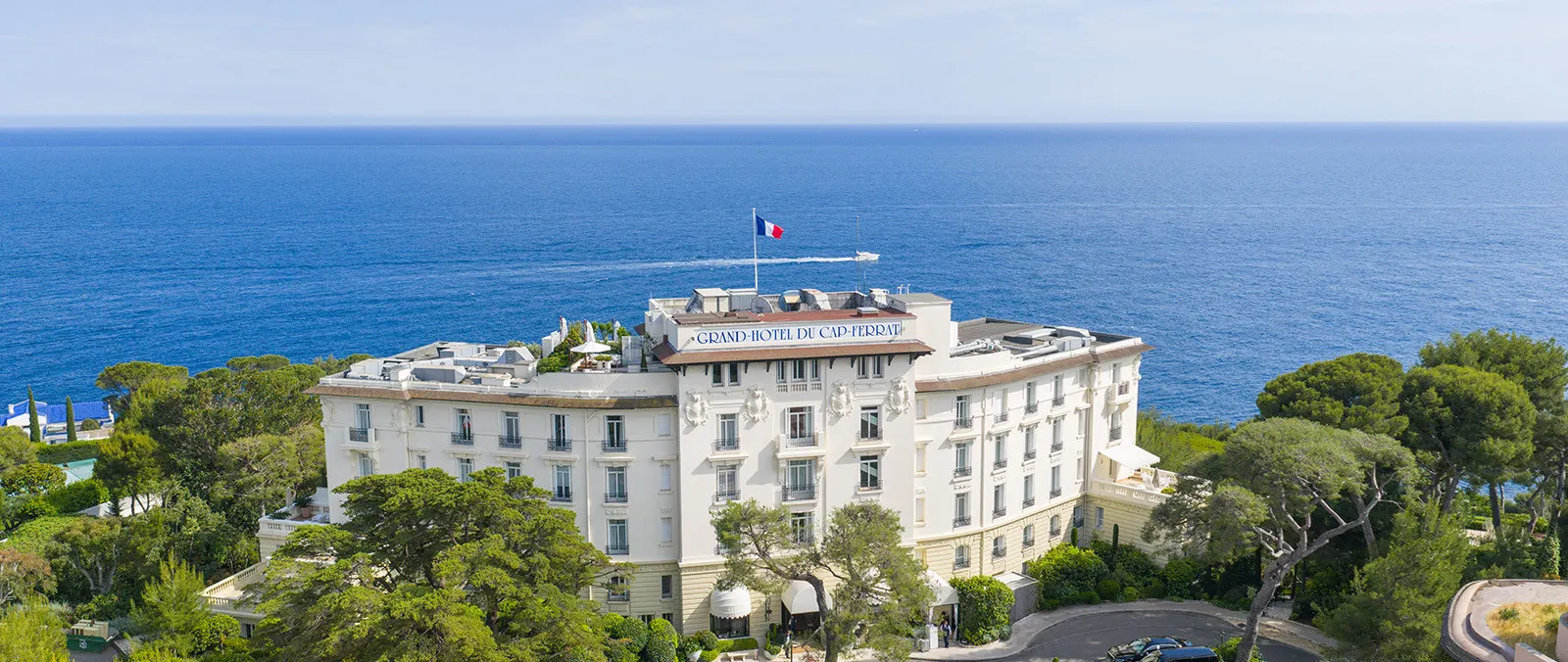
A new season on a familiar peninsula
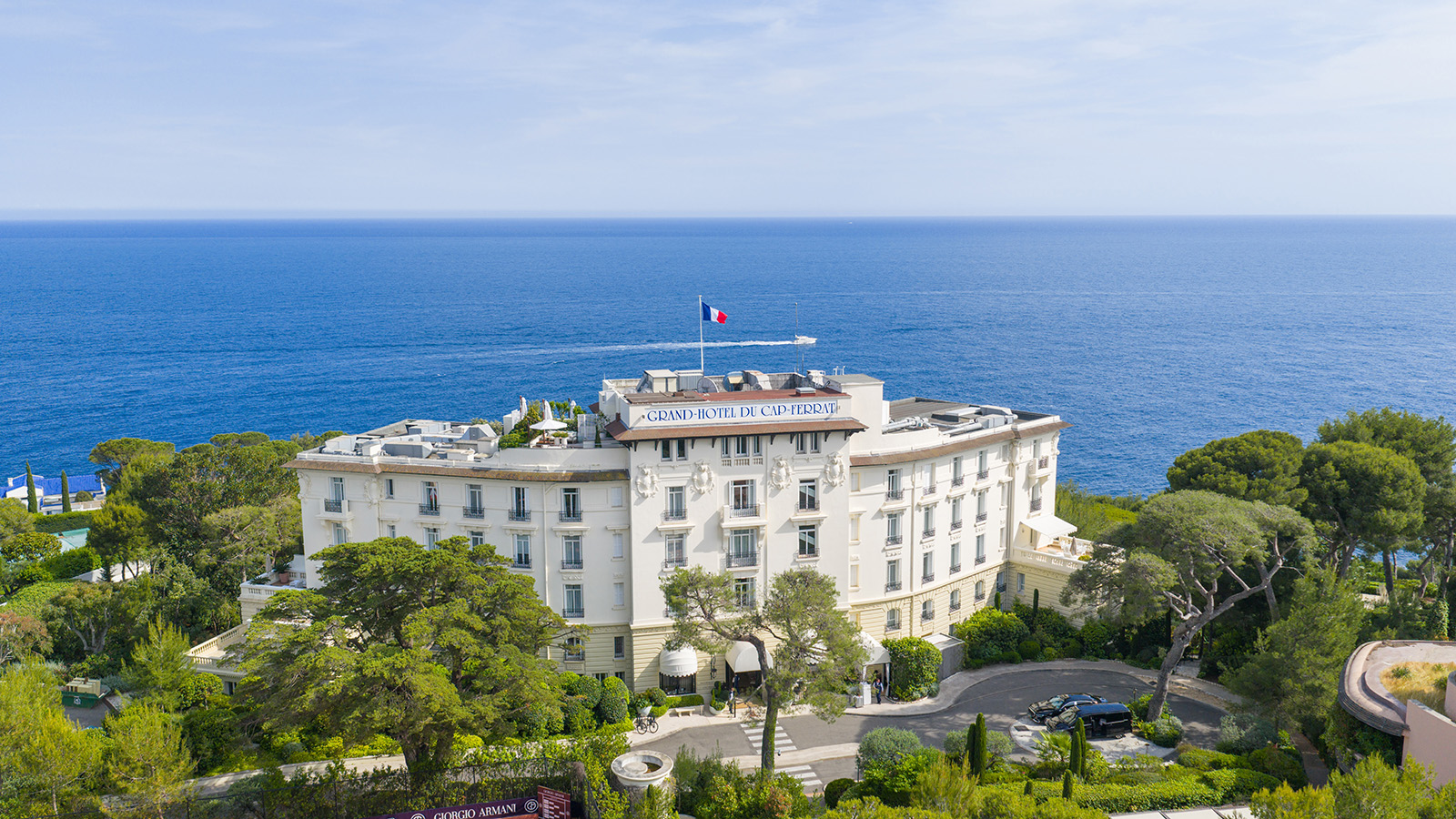
Grand-Hôtel du Cap-Ferrat, A Four Seasons Hotel, reopened for its 2026 season on 6 March, presenting a spring programme of Mediterranean dining, family activities and wellbeing experiences in one of the French Riviera's most recognisable settings. The hotel's official February announcement describes a property surrounded by approximately seven hectares of gardens, with views across the water and a series of events designed to make the start of the season feel distinct. For owners and guests of luxury yachts between 12 and 23.99 metres, Saint-Jean-Cap-Ferrat offers a natural counterpart to time aboard. A vessel allows visitors to explore different ports and coastlines, while a historic hotel can provide a quieter base from which to appreciate one peninsula in greater detail. The interesting part of the announcement is not simply that the property has reopened, but how it uses landscape, food and family experiences to create a seasonal rhythm.
The value of the hotel's garden setting
The original release describes grounds covering seventeen acres, a considerable outdoor environment in a region where coastline and land can feel highly sought after. Gardens offer more than decorative planting. Their layout influences shade, privacy, the way guests walk between spaces and the sense of transition from busy roads to a quieter retreat. The Mediterranean climate changes through spring and early summer, so the character of the gardens is not identical throughout the season. Travellers should not assume that every plant is in flower at the same time or that outdoor facilities are equally comfortable in all weather. A walk through the grounds can become an experience in itself, especially for guests who spend much of their holiday on a yacht where deck space is necessarily limited. The appeal is the ability to linger without making movement the principal activity.
Easter as a family occasion
The hotel's 2026 spring calendar included an Easter brunch at La Véranda on 5 April, with seasonal cooking, music and activities for children. The official press release identified Chef Yoric Tièche and Pastry Chef Pierre-Jean Quinonero as contributing to the occasion, while the setting encouraged guests of different ages to spend time together. That date has passed, and the original menu and published price should not be advertised as currently bookable. The wider idea remains useful: a family celebration can benefit from an environment where adults and children have different activities without losing the shared meal. Yacht owners often face the same challenge aboard, particularly when several generations travel together. Shore-based dining may offer extra room and professional support for a special occasion. The best arrangement should be selected according to the actual family rather than a general assumption about what luxury celebrations must include.
Sunday lunch as a Mediterranean tradition
Another feature of the announced programme was a Sunday lunch series at La Véranda, scheduled from early May to September 2026. The hotel described a generous meal under the trees, with regional ingredients and a convivial atmosphere. In the Mediterranean, lunch can be more than a brief break between activities; it can become the centre of the day. Guests may appreciate a meal that unfolds naturally rather than a rigid tasting sequence. The resort's interpretation draws on culinary craft, but the essential appeal is social: several people gathered around a table with enough time to talk. A yacht owner might use such an occasion to welcome friends ashore after a passage, or simply to enjoy a different kitchen. Because the published 2026 dates have passed, current lunch arrangements should be checked directly rather than inferred from the seasonal announcement.
The influence of regional ingredients
Chef Yoric Tièche's approach is described in terms of Mediterranean tradition and contemporary interpretation. The press release refers to fresh herbs, seasonal produce and a menu designed for sharing alongside more individually served dishes. These elements can give visitors a sense of the region without requiring an elaborate historical narrative around every plate. Quality depends on sourcing and technique rather than on the number of expensive ingredients. Travellers may enjoy discovering how familiar foods are prepared differently in a local setting. For a yacht's private chef, this can be an opportunity to observe the balance between simplicity and refinement that is characteristic of successful coastal dining. A particular restaurant menu should not be assumed to continue unchanged, especially when ingredients vary by season. The enduring lesson is to let the destination influence the food rather than impose a uniform international style.
Wellness in a Riviera setting
The spring announcement also referred to new or refreshed wellness experiences, adding a more contemplative dimension to the hotel's dining and family programme. A guest may choose a treatment, spend time by the pool or simply rest in the gardens, depending on the facilities available during the visit. These activities can be pleasant after a long journey or a busy period aboard a yacht, but marketing descriptions of renewal should not be turned into guaranteed health outcomes. Individual needs and suitability matter. Anyone with relevant concerns should seek qualified advice and follow the venue's guidance. The greater appeal of a well-designed retreat is the freedom to create a day with fewer demands. Owners accustomed to planning passages and coordinating guests may find that the absence of decisions is itself a form of luxury.
The seasonal character of the Côte d'Azur
The French Riviera is often imagined only at the height of summer, yet spring can offer a different sense of the coastline. Gardens may feel fresh, outdoor dining returns and some visitors prefer the period before the busiest holiday weeks. Weather remains variable, so a clear sky cannot be assumed simply because the season has begun. A yacht itinerary through the region must consider sea conditions, harbour availability and the practical demands of navigation. A hotel stay can provide flexibility if the conditions are not suitable for a planned passage. Conversely, time aboard can add variety when the weather is favourable and guests want to explore another part of the coast. The announcement's focus on spring is a reminder that timing influences the experience as much as the choice of destination. It is worth planning for what the season offers rather than trying to reproduce the busiest summer atmosphere.
Historic glamour without a fixed script
Grand-Hôtel du Cap-Ferrat is associated with a tradition of Riviera hospitality, but guests need not perform a particular idea of glamorous travel to enjoy it. Some may want formal dining and carefully arranged events; others prefer a quiet afternoon in the garden. The hotel's seasonal programme creates opportunities for both, though the exact mix changes over time. A property with a long history can be appealing because it carries a sense of continuity, not because every aspect of it remains unchanged. Contemporary service, technology and the needs of different visitors all influence how the experience evolves. Travellers should remain curious about its setting without assuming that famous associations automatically guarantee a satisfying stay. The most meaningful details may be ordinary: a well-placed chair, a thoughtful meal or a path that reveals the sea through the trees.
Incorporating the hotel into a yacht voyage
Owners sailing or cruising near Saint-Jean-Cap-Ferrat should confirm marina arrangements and any relevant local restrictions independently. The spring release does not establish a dedicated berth for privately owned yachts at the hotel or guaranteed tender access. Depending on the vessel and plans, guests may prefer to reach the property by road or arrange transfers through qualified local providers. A lunch reservation can be a pleasant addition to a voyage, but the captain needs a safe and realistic schedule for guests returning aboard. Travel time varies with traffic and the actual location of the yacht. The strongest itinerary leaves room for a change of plans if weather or harbour circumstances intervene. The Riviera has many competing attractions, and there is little advantage in rushing through a property whose main appeal is the opportunity to slow down.
Family travel and different priorities
A multi-generational party may have very different wishes: children might enjoy outdoor activities, while adults prefer a longer meal or time in a quiet lounge. The hotel's spring programme explicitly addressed families, yet no single activity is appropriate for every child or age group. A booking should clarify access, supervision and the current schedule rather than rely on a past event brochure. Yacht owners can apply the same principle aboard, where limited space makes planning particularly important. The goal is to offer enough options without separating the family for the entire holiday. Shared moments may occur naturally around a meal, with other parts of the day left open. A hotel garden or restaurant can provide room for these differences to coexist and can be especially useful during a longer cruise when guests want a change of setting.
What remains after the seasonal events
The 2026 spring calendar documents a series of experiences that had specific dates, including Easter and Sunday lunch. Those programmes should be reported accurately as part of the year's hospitality story, not presented as a permanent schedule. Guests planning future travel should contact the hotel for the current events and restaurant offerings. The property's broader appeal is less dependent on one brunch or treatment. Its setting, gardens and relationship with the peninsula can support many kinds of visit, from a quiet overnight stay to a celebration. For a yacht traveller, the hotel can serve as a pause in a moving journey, allowing time to enjoy a fixed view of the Mediterranean. Such pauses often give a voyage its rhythm. The destination becomes more than a collection of berths or attractions when there is time to inhabit it.
The Riviera as an experience of time
Grand-Hôtel du Cap-Ferrat's spring programme illustrates how luxury hospitality can draw on seasonality without making every activity feel exceptional or theatrical. Gardens, regional cooking, family occasions and wellness create different ways to enjoy a place that has long been associated with coastal travel. The official February 2026 announcement establishes the reopening date and the principal events, while current availability requires direct confirmation. For owners and guests of 12-to-23.99-metre yachts, the relevance lies in the choice to combine movement with stillness. A memorable cruise may involve discovering several destinations, but it may also include an afternoon spent in one garden, watching the light change over the same stretch of sea.
Sources and image credits
Reporting based on Four Seasons Hotels and Resorts official first-party 2026 press release: Grand‑Hôtel du Cap‑Ferrat, A Four Seasons Hotel, the Ultimate Riviera Spring Escape.
Lead photograph: Cap-Ferrat Spring Traditions Connect Gardens, Food and Riviera Living — official Four Seasons first-party press photograph. © Four Seasons Hotels and Resorts, original property press photograph Original official image source.