A September competition worth revisiting
Four Seasons Resort Maldives at Kuda Huraa hosted the 2026 Surfing Champions Trophy from 4 to 11 September, gathering an invitation-only field at the Sultans surf break in North Malé Atoll. The resort's official announcement described a distinctive competition in which surfers would move between single-fin, twin-fin and thruster boards rather than using one familiar setup throughout. The event has now concluded, so this is a retrospective look at its sporting idea and the broader travel experience it represented. For luxury yacht owners and guests interested in surfing, the Maldives offers more than quiet lagoons and overwater accommodation. Some of its reef breaks attract highly skilled riders, while other areas can suit different forms of water recreation. The competition highlights the importance of equipment, local knowledge and the way a sporting event can bring people into closer contact with a destination.
A field with different backgrounds
The official September release listed six competitors: Caio Ibelli, Bede Durbidge, Felicity Palmateer, Travis Logie, Ahmed Hishaam Shaheem and Mason Ho. They brought different experiences from professional tours, larger surf and local Maldivian waters. A diverse field can make a short competition interesting because each athlete approaches wave selection and board control differently. Yet the reputation of a participant does not guarantee a particular result on the day. Conditions change and different board types can favour different approaches. The resort's advance release described the field, not the confirmed final standings, and an editorial review should not invent a champion without separate evidence. The significance for spectators lies in watching how athletes adapt. Some favour speed and flowing lines, while others may excel at particular manoeuvres. The contest format gives those differences a more visible role than an ordinary single-equipment event.
Three board styles, one sequence of decisions
The competition's distinctive format moves through single-fin, twin-fin and thruster divisions. These configurations alter how a surfboard responds to a rider's movements and the shape of a wave. A single-fin board can encourage one style of line and transition, while twin fins and three-fin thrusters support different forms of turning and control. The exact behaviour depends on board dimensions, construction, fins and rider technique, not simply the number of fins. That complexity is part of the sport's appeal. A skilled surfer must decide where to position the board and how to use the available speed under the constraints of the equipment. For a visitor who is not an experienced surfer, watching several configurations can make technique more understandable. The event becomes a demonstration of design choices as much as athletic performance.
Why Sultans provides the setting
The Sultans break near Kuda Huraa is part of the North Malé Atoll surfing landscape and was identified as the venue for the invitation-only contest. A resort guest may reach the action through an organised boat transfer, but such access should not be assumed available to every privately operated yacht. Local regulations, conditions and the competition's arrangements determine what is permitted. Surf breaks can be hazardous, particularly when waves meet shallow reefs or when several people enter the same area. Viewing from a suitable boat may be a safer way for inexperienced guests to appreciate the sport. The beauty of an atoll can conceal strong currents and changing surf, so captains should rely on experienced local operators. A comfortable anchorage is not automatically a suitable launching point for an unsupervised surfing session. Respecting the environment and other water users is part of the experience.
A sporting event with a resort base
The resort's announcement emphasised that guests could follow the competition from Kuda Huraa and combine it with other activities between sessions. This arrangement differs from a large stadium event where spectators are directed toward a single fixed schedule. A surf contest depends on the waves, and downtime may be part of the experience. Guests can learn from that rhythm rather than treating it as a lack of organisation. A morning session might be followed by a quiet meal, swimming or another planned activity. Luxury travellers who are used to tight itineraries may find this flexibility refreshing, provided expectations are realistic. The resort's promotional materials refer to opportunities to spend time near the athletes, but access should not be understood as unrestricted. Competitors need time for preparation and rest. Respectful spectators appreciate the sport without assuming every moment is available for personal interaction.
Surf coaching requires honest assessment of skill
The official programme referred to Tropicsurf coaching as an option for guests interested in developing their own skills. Surfing lessons can be rewarding for suitable participants, but the conditions should match their experience and physical ability. A visitor inspired by professional performances should not attempt the same break or equipment without proper instruction. The coach must assess swimming competence, confidence, wave conditions and the appropriate learning environment. Beginners may benefit most from sheltered instruction and a clear explanation of board handling, rather than being taken directly to a famous reef break. Yacht owners arranging activities for guests should communicate experience levels honestly. A safe, enjoyable lesson is more valuable than an impressive location chosen primarily for its reputation. The aim is to gain confidence and understanding, not to replicate elite performance after one afternoon.
The relationship between equipment and heritage
Surfboard design has changed over decades, with different outlines and fin arrangements influencing the way riders approach a wave. The competition's three divisions invite spectators to see those differences in practice. It is tempting to describe one era as more authentic or one configuration as unquestionably superior, but performance depends on context. Modern thrusters provide capabilities that earlier designs did not emphasise, while single-fin or twin-fin boards can make different kinds of surfing aesthetically compelling. A contest that values several styles encourages broader appreciation of the sport. For design-minded luxury travellers, this is similar to observing how different sail configurations or hull shapes affect a boat. Equipment becomes part of the story without diminishing the human skill required to use it. The best athletes adapt technique rather than expecting the board to make every decision.
A Maldivian voice in the lineup
The inclusion of Ahmed Hishaam Shaheem in the announced field gave the event a local dimension alongside international competitors. That matters because the Maldives is not merely a destination visited by travelling athletes; it has communities whose relationship with the ocean includes sport, fishing and everyday maritime life. Visitors can learn more by engaging respectfully with local guides and surf professionals rather than assuming the resort alone represents the islands' culture. The opportunity to see a Maldivian athlete competing in a high-profile setting can bring attention to local skill, although it would be inappropriate to infer broader sporting development or financial outcomes from one event. A meaningful travel experience recognises that the people of the destination are participants, not simply providers of hospitality. Their knowledge of tides, waves and the surrounding environment is central to safe and enjoyable surfing.
Recovery as part of the programme
The release mentioned opportunities for recovery and wellness activities at the resort's naturopathy facilities. After a demanding surf session, rest and appropriate care are important, but a promotional wellness description should not be turned into medical claims. Athletes and guests have different physical needs, and treatments may not be suitable for everyone. A visitor can appreciate a quiet afternoon, a meal and time by the water without requiring an elaborate recovery programme. The important idea is that a sporting holiday can balance exertion with comfort. Luxury yacht travellers already enjoy this flexibility when they combine watersports with relaxation aboard. A resort adds a different collection of facilities and professional services, though current availability and access should be confirmed. The best programme suits the individual rather than insisting that every guest follow the same sequence.
What this means for a yacht itinerary
Owners planning a surfing-focused voyage in the Maldives should consider both the sporting season and the practical requirements of cruising through the atolls. Private yacht operations may involve local permits, pilotage arrangements and restrictions on anchoring or accessing certain areas. Those are separate from a resort's competition schedule. The captain should consult qualified local partners and not assume that a famous break is freely accessible for every vessel or tender. Surf conditions may change rapidly, and people entering the water should have suitable supervision. The event's September 2026 dates are in the past, so travellers planning a future trip should seek confirmed new schedules rather than rely on the old programme. A yacht gives access to many locations, but good judgement determines which are appropriate for the crew and guests on a particular day.
Appreciating sport without turning it into spectacle
A professional competition can inspire visitors, yet it is important not to reduce the athletes or local marine environment to a backdrop for holiday entertainment. Surfing requires patience, knowledge and respect for other people in the water. Spectators should follow the event's rules, avoid interfering with competitors and use boats responsibly near the break. The wildlife and reef habitats around an atoll also deserve care. A high-profile event may bring attention to the location, but its broader environmental effects require separate evidence and cannot be assumed positive or negative from publicity alone. Travellers who value the ocean can use the experience as a reason to learn about reef ecosystems and the demands of the sport. The most memorable performance may be a beautifully chosen line on a wave rather than the most dramatic manoeuvre.
What the September event represents
The 2026 Surfing Champions Trophy at Kuda Huraa brought a defined group of athletes to a competition built around three distinct surfboard configurations. Its official announcement documented the dates, venue and intended guest experiences, but not the final results of every heat. For owners and guests of 12-to-23.99-metre yachts, the event illustrates how water-based sport can add depth to a luxury island holiday. The attraction lies in observing skill, design and changing conditions rather than expecting an activity to run like a perfectly timed indoor performance. A thoughtful visitor can enjoy the competition's atmosphere while respecting the athletes and the environment. The lasting value may be a new appreciation of how much judgement, practice and sensitivity to the sea are contained in a few seconds of surfing.
Sources and image credits
Reporting based on Four Seasons Hotels and Resorts official first-party 2026 press release: Four Seasons Maldives Sets the Stage for the 2026 Surfing Champions Trophy at Kuda Huraa.
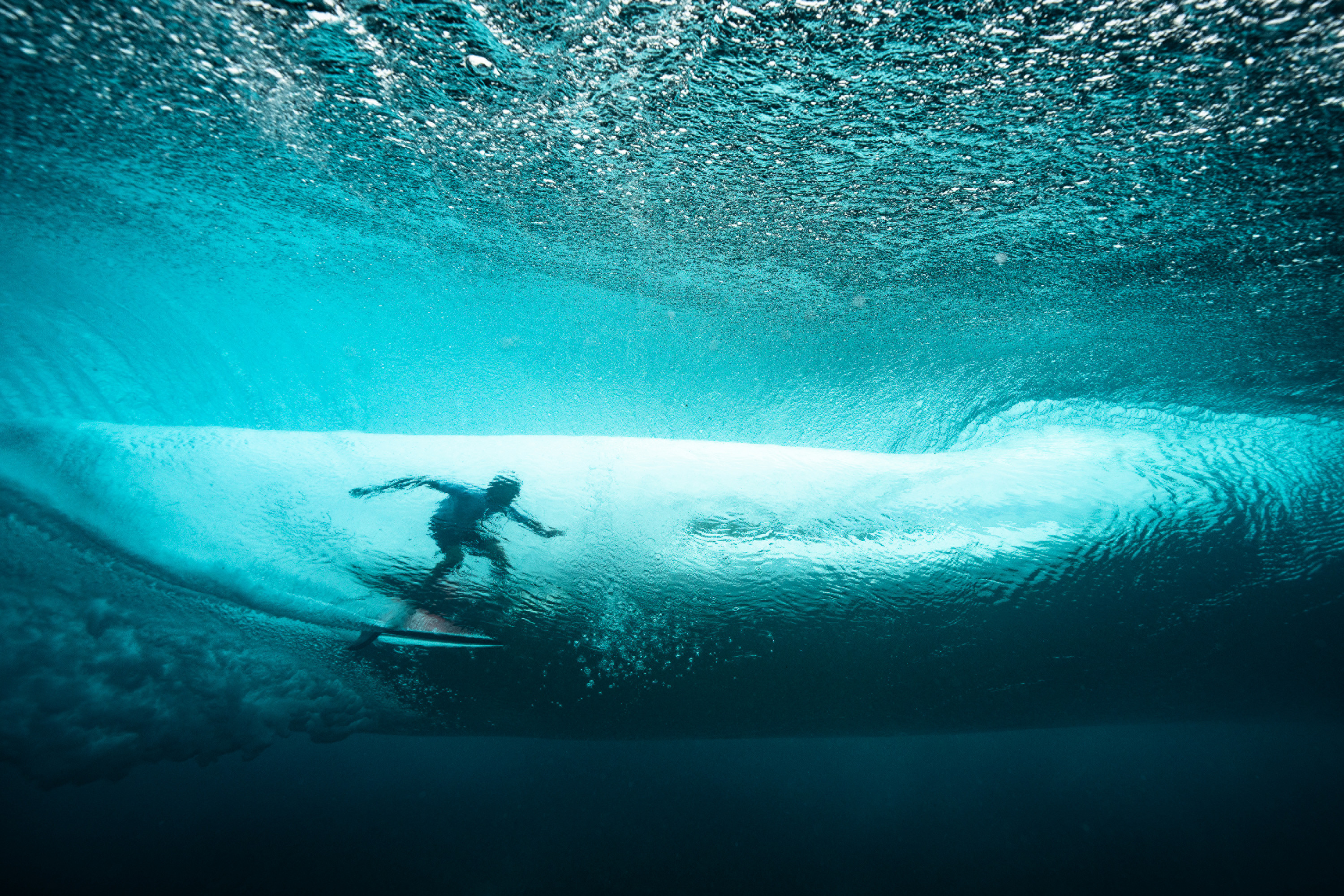
Lead photograph: Kuda Huraa Surfing Champions Trophy Celebrates Maldives Island Sport — official Four Seasons first-party press photograph. © Four Seasons Hotels and Resorts, original property press photograph Original official image source.