A resort asks guests to look beneath the surface
Four Seasons Resort Koh Samui used World Ocean Day on 8 June 2026 to draw attention to its ongoing coral rehabilitation work in the Gulf of Thailand. The property's official statement describes coral surveys, assessment of previously restored areas and a continuing commitment to supporting the marine habitats that make the island attractive. The contrast is instructive for a luxury traveller: the same clear waters that provide a spectacular view from a hillside villa are also a living ecosystem subject to stress. For yacht owners visiting Thailand, this is particularly relevant because cruising itineraries depend on healthy coastlines, attractive snorkelling sites and responsible use of anchorages. The resort's announcement is not evidence that coral damage around Koh Samui has been eliminated, or that any one hospitality programme can restore an entire reef system. It is a reason to examine what conservation work means in practice, and how visitors can make informed choices when exploring the coast.
What the resort actually announced
The first-party release says the resort has supported coral restoration and recently carried out a survey to assess reef conditions and observe the progress of areas previously included in rehabilitation work. General Manager Jasjit Assi describes the sea as a defining feature of Koh Samui's identity and the resort's efforts as a long-term commitment. These statements are useful but limited. The announcement does not provide a complete scientific report, an independently verified count of surviving transplanted corals or a universal recovery rate. Such outcomes depend on the methodology and time period used for assessment. Visitors should distinguish documented activity from measured ecological results. A survey is an important step because it can establish what is happening rather than relying on visual impressions alone. For a destination promoted through its marine beauty, transparent monitoring is more meaningful than simply describing the water as pristine.
Coral reefs are not decorative backdrops
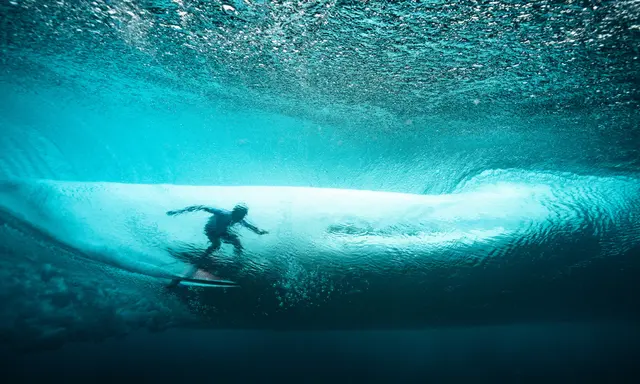
Coral colonies are living animals that build complex structures over long periods. The reefs they help create provide habitat for fish and other organisms, while influencing how waves interact with parts of the coastline. A reef can look colourful and inviting in a photograph even when portions of it have experienced bleaching, physical damage or other stress. Conversely, an area undergoing recovery may not yet resemble the spectacular imagery seen in resort brochures. Responsible travel involves acknowledging this complexity. The property's account of rehabilitation work invites a deeper conversation about why visitors should avoid treating coral as something to touch, stand on or collect. For a yacht crew arranging an afternoon's snorkelling, the condition of a site and the behaviour of its guests matter as much as the quality of the photographs brought back to the boat.
What restoration can and cannot achieve
Coral restoration may involve interventions that support damaged areas, but the techniques and their effectiveness vary. The resort's public announcement does not describe every method used or publish enough data to evaluate the results independently. It would therefore be inappropriate to claim that all the surrounding reefs have been restored, or that a visitor's participation guarantees a measurable improvement. A responsible approach begins with site assessment, suitable permissions and the involvement of qualified practitioners. Monitoring can then help determine whether an intervention is appropriate and whether its effects persist. If the surrounding causes of degradation remain, restoration alone may not be sufficient. For travellers, the strongest evidence of a serious programme includes long-term engagement, a willingness to discuss limitations and credible information about what has been observed over time.
The relationship between tourism and marine habitat
Visitors bring economic opportunities to coastal destinations, but boating and watersports can also create pressure if activities are poorly managed. Anchors dropped onto sensitive seabed, careless fin strokes and contact with corals can damage features that took years to grow. Waste disposal and runoff introduce other concerns. A luxury resort's conservation messaging becomes useful when it is reflected in guest guidance and operational choices. Yacht owners can ask local operators which sites are suitable for swimming, whether mooring buoys are provided and what restrictions apply. They can also support guides who explain the ecosystem rather than merely taking visitors to a photogenic location. The aim is not to prohibit enjoyment of the sea; it is to make that enjoyment compatible with the continued health of the setting.
A thoughtful day exploring Koh Samui
A visit that includes a resort stay, a yacht excursion or a private tender journey should begin with an understanding of local access and environmental rules. Conditions in the Gulf of Thailand can vary by season, and not every picturesque bay will be appropriate for anchoring or snorkelling on a particular day. The captain should consult current charts, forecasts and local guidance rather than relying on a generic itinerary. Guests can be briefed on not standing on corals, avoiding contact with marine animals and keeping sufficient distance from fragile features. Lightweight equipment, good buoyancy control and small groups may make encounters more manageable. Where conditions or regulations do not support an activity, choosing a different beach or cultural excursion is better than putting the ecosystem under unnecessary pressure.
The place of marine education in hospitality
The Four Seasons announcement positions coral preservation as part of the property's approach to its environment. That creates an opportunity for hospitality teams to give guests meaningful context without turning a holiday into a lecture. A short introduction to local reef ecology, accompanied by practical guidance, can change how people behave in the water. Children may be especially receptive when the explanation is linked to animals they can recognise and observe from a suitable distance. Adults can also learn why the surface appearance of a reef is not a complete measure of its health. Such education is most credible when a resort distinguishes what it knows from what remains uncertain. An informed guest may leave with a stronger connection to the destination than someone who experienced only the view from a terrace.
Why surveys are more useful than impressions
The resort reports that it recently surveyed reefs to assess current conditions and previously restored areas. In marine science, observations need a method, location and time frame if they are to support meaningful comparisons. A visitor seeing attractive coral on one afternoon cannot determine whether the broader ecosystem is recovering. Likewise, a photograph of a damaged section does not establish the condition of the entire coastline. Repeated surveys can potentially help explain change, though the conclusions depend on consistent techniques and the data collected. Owners interested in responsible tourism may ask how conservation outcomes are measured and whether qualified partners are involved. A programme that publishes careful progress information can build trust even when results are mixed or slower than hoped.
Life at the resort and life aboard a yacht
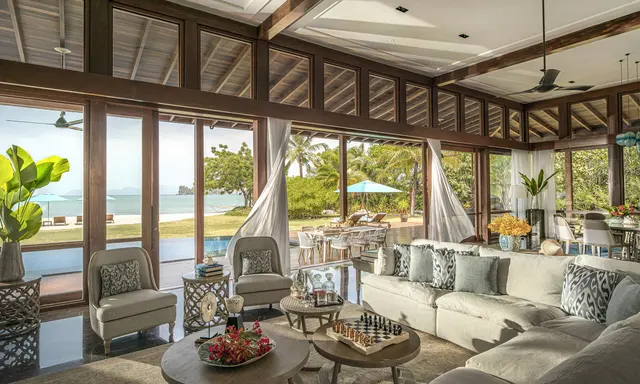
A hillside villa overlooking the Gulf offers a very different experience from sleeping aboard at anchor, but both depend on the quality of the coastal environment. The resort guest may see the reef through a guided activity; a yacht owner may arrive in a bay whose underwater condition is not immediately visible from deck. Both have choices about transport, excursions and local suppliers. A captain can incorporate environmental guidance into passage planning, while a hotel concierge can recommend operators who respect marine conditions. Neither can promise a zero-impact holiday. What matters is the effort to reduce avoidable harm, follow local rules and support credible conservation work. Luxury should include the ability to enjoy a place without assuming that its natural resources exist solely for private use.
The limits of environmental language
Hospitality announcements often use terms such as sustainability, regeneration and stewardship. These can describe valuable work, but the words should be tested against specific actions. In this case the resort identifies coral rehabilitation and a recent survey, which are more concrete than a general statement of concern. The public material does not supply all the data required to measure ecosystem-wide success, and that limitation deserves to be stated. A responsible traveller can appreciate a programme without treating its stated intentions as verified scientific outcomes. The same principle applies to carbon claims, wildlife experiences and other environmental initiatives marketed to affluent visitors. Questions about partners, methods, continuing maintenance and independent assessment are reasonable and constructive.
Travelling with sensitivity to local communities
Coastal conservation occurs within a wider human setting. Local fishers, tour guides, businesses and residents may depend on the same waters that visitors enjoy recreationally. Rules designed to protect sensitive sites can affect livelihoods and access, so effective programmes need local knowledge and cooperation. The resort's announcement does not provide a full account of community participation, and it would be wrong to invent one. Travellers can nevertheless choose locally informed guides, respect protected areas and avoid assuming that a private holiday gives them priority over established coastal uses. Experiences grounded in the destination's culture and environment can be richer than a schedule built only around exclusivity. A yacht itinerary is at its best when visiting guests understand that they are entering a lived-in place.
A broader definition of a memorable island holiday
For many travellers, the initial attraction of Koh Samui is straightforward: warm water, tropical vegetation, beaches and a comfortable place to stay. The resort's World Ocean Day announcement adds another layer by reminding guests that the environment is not static. Coral colonies respond to conditions and pressures over time; preserving them requires continuing attention rather than a single celebratory event. A guest does not need to become a marine biologist to appreciate the difference between a passive view and informed engagement. Asking where it is safe to anchor, following a responsible snorkelling briefing and supporting appropriate conservation work are practical expressions of that interest. Those choices may also lead to more meaningful conversations with local guides and a more memorable experience of the island.
What the 2026 announcement means for yacht-minded travellers
Four Seasons Resort Koh Samui has made a clear public statement that coral rehabilitation and survey work are part of its relationship with the Gulf of Thailand. The source confirms the programme's reported activities but does not establish that every restoration objective has been achieved. For owners and charter guests travelling through Southeast Asian waters, the larger lesson is that the quality of an itinerary depends on caring for the places that make it possible. Healthy marine habitats support wildlife, coastal character and experiences that cannot be replicated by a luxury interior. A thoughtful visit balances comfort with curiosity and avoids activities likely to damage sensitive sites. In that sense, the most compelling form of island luxury may include a better understanding of what lies beneath the water and the responsibility involved in visiting it.
Sources and image credits
Reporting based on Four Seasons Hotels and Resorts official first-party 2026 press release: Beneath the Surface: How Four Seasons Resort Koh Samui Nurtures Thailand’s Coral Reefs.
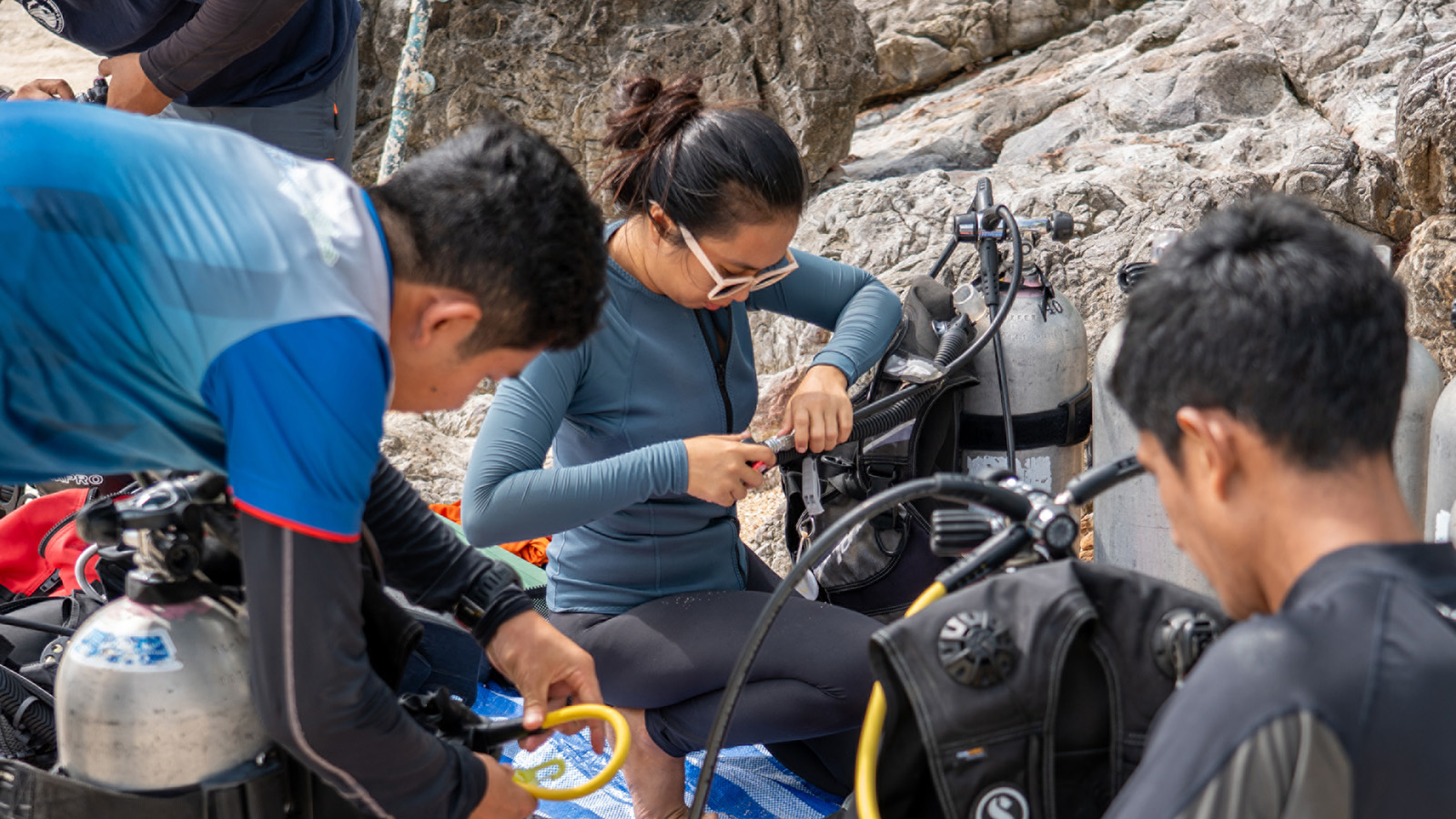
Lead photograph: Koh Samui Coral Conservation Explores the Other Side of Island Luxury — official Four Seasons first-party press photograph. © Four Seasons Hotels and Resorts, original property press photograph Original official image source.