Visiting practitioners shape a 2026 island programme
Four Seasons Resort Hualalai announced the return of its Wellness Masters in Residence series for 2026, using visiting fitness and mindfulness specialists to give guests a more structured way to explore wellbeing during a Hawaii stay. The hotel's official release, dated 23 April, identified Pilates instructor Alana Mesica, fitness author Drew Manning, Heidi Powell and Megan Monahan among the year's participants. It described small-group experiences at the resort's spa and sports club, framed by the island's volcanic landscapes and ocean views. For yacht owners and other travellers accustomed to designing their own routines, the attraction is the ability to combine specialist instruction with time in a destination that encourages outdoor activity. The announcement is not a medical study and should not be read as proof that any specific session produces lasting health outcomes. Its value is in offering informed guidance and an opportunity to explore movement or reflection with a professional whose approach may differ from the guest's usual practice.
What the official schedule originally proposed
The April release gave dates for several visiting experts during 2026. Alana Mesica was scheduled for 15–18 May, with sessions based on mat Pilates and attention to alignment, balance and controlled movement. Drew Manning was listed for 29 July to 1 August, presenting classes that combined physical activity with discussion of mindset and recovery. The announcement also named other specialists in the programme, though guests should confirm dates and formats with the resort when making a booking. Past sessions should not be represented as still available. A residency has a different character from an ordinary daily fitness class because the visiting teacher can bring a coherent method and sometimes a limited programme developed around a particular theme. Participants should understand the intended difficulty, equipment needed and cancellation conditions before committing to a stay around a specific teacher.
Why personal instruction appeals to luxury travellers
A guest travelling for a short period may want more than access to a well-equipped gym. Personal or small-group instruction can provide feedback that is difficult to obtain from an unsupervised workout. The professional may notice posture, pacing or an exercise modification that makes a session more suitable for the individual. That does not mean every attendee needs intensive training or should expect dramatic transformation in a few days. The opportunity is to learn something useful and carry the lesson home. A yacht owner who works with a personal trainer aboard could find a visiting specialist's perspective refreshing, particularly when a change of environment makes it easier to concentrate. The best session begins with an honest understanding of the participant's abilities and aims rather than a generic promise of improved performance.
Pilates in the island environment
The programme described Alana Mesica's mat Pilates sessions as focused on precision, alignment and deliberate movement. These themes can appeal to people who spend considerable time seated while travelling or working and want a careful introduction to physical practice. But Pilates is not one fixed experience; the level of difficulty and suitability depend on the instructor's choices and the participant's condition. A guest should inform the instructor of any relevant limitation and avoid attempting an unfamiliar movement simply because it looks manageable when demonstrated by someone else. The resort's release presents the instructor's professional background and the intention of her sessions, not clinically verified benefits for particular conditions. For a holiday audience, the combination of professional guidance and a tranquil setting may make practice easier to appreciate without the expectation of immediate results.
Movement, mindset and recovery
Drew Manning's announced programme combined movement, education, mindset and recovery in sessions described as approximately ninety minutes long. This broader format reflects the idea that wellbeing is not determined by one workout. Guests may be interested in how routine, rest and motivation influence their everyday activity, but a hotel class is not a substitute for personal medical advice or long-term supervised care where needed. The release describes interactive elements and practical tools, though the precise content of each session should be checked. An experienced traveller may appreciate the opportunity to ask questions and compare approaches rather than follow an inflexible exercise prescription. The success of such programming should be measured by whether participants understand and can use what they have learned, not by dramatic claims about rapid physical change.
A sense of place contributes to the experience
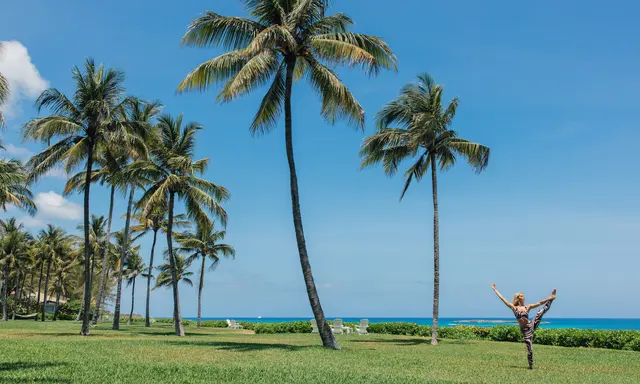
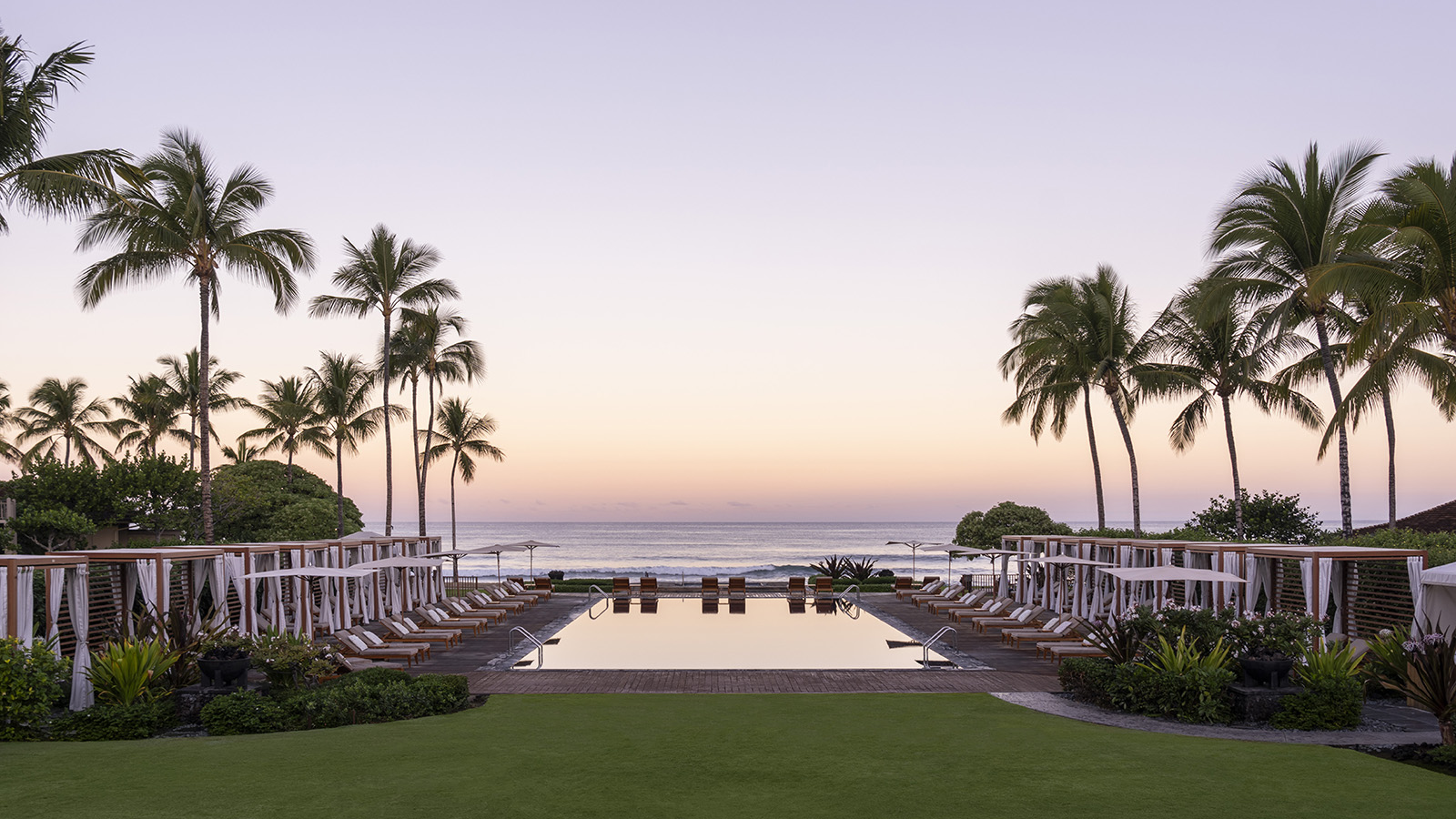
Hualalai's natural setting is a prominent part of the resort's identity. The official description mentions lava landscapes, beaches and expansive ocean views around its wellness facilities. These features can make a retreat feel different from a fitness course taken in an urban studio, although the landscape itself is not a guarantee of a psychological or medical effect. Time away from routine may allow visitors to notice how they respond to exercise and rest, particularly when the daily schedule is less crowded. Guests may also choose to spend time outdoors before or after a class, subject to the local weather and appropriate safety guidance. The opportunity to combine professional instruction with the experience of Hawaii can be rewarding when the itinerary allows for genuine leisure rather than turning a holiday into a series of compulsory appointments.
Small groups and the meaning of attention
The resort promotes immersive small-group experiences, suggesting opportunities for a visiting practitioner to engage more closely with participants. Group size alone, however, does not establish the degree of individual attention each guest will receive. People with particular requirements should ask about instructor availability, session structure and whether a private consultation is possible. A well-run group can create encouraging social energy, but some guests may prefer a quieter setting or more personal discussion. Neither preference is inherently more serious or luxurious. The programme is most useful when the format is clearly communicated so that participants know what to expect. A guest who wants an introduction to mindful movement may have a very different need from someone seeking to refine a demanding fitness routine.
Avoiding unrealistic wellness claims
Luxury hospitality frequently uses language such as restoration, transformation and balance. These terms can convey an attractive experience but may become misleading when interpreted as measurable health promises. The Four Seasons announcement identifies instructors and describes the types of activity offered; it does not provide clinical evidence that participation will cure illness or guarantee improved fitness. Travellers should be sceptical of any implication that a short retreat can substitute for long-term habits. A valuable programme may instead help someone understand a useful exercise technique, approach recovery more thoughtfully or establish time for reflection. Those are credible aims without inventing outcomes. Guests with medical concerns should consult qualified professionals about whether particular activities are suitable, especially if heat, intensity or unfamiliar movements are involved.
Connecting a retreat with a yacht itinerary
Hawaii is primarily an air-travel destination for many visitors, although yacht owners may include the islands in wider Pacific plans. Combining a resort stay with time aboard requires practical coordination. Training sessions may be scheduled early in the day or across several consecutive dates, so participants should avoid assuming that they can book at the last minute. A captain planning an offshore itinerary has separate responsibilities involving weather, clearance and berth arrangements; a hotel announcement cannot provide those details. Some travellers may prefer a week ashore between passages, while others may arrive specifically for a residency before returning home. A successful itinerary allows enough rest and flexibility for the chosen experience. Attempting to attend every class while also scheduling strenuous excursions can undermine the very relaxation the trip was intended to offer.
The role of the spa and sports club
The Hualalai Spa and Sports Club provides the setting for the series. Resort facilities can help guests move between classes, quieter recovery time and other activities without extensive travel. But the actual access included with a residency may vary, and any treatment, consultation or private session should be confirmed individually. The distinction matters because an attractive programme overview may combine experiences that have different booking requirements. A guest should know whether equipment is supplied, how sessions are organised and whether additional charges apply. These questions are straightforward, but they can prevent disappointment. Hospitality works best when its practical details support the experience rather than requiring constant attention from the guest after arrival.
Continuity after the journey
A short programme may be most valuable if the participant leaves with a realistic way to continue the activity. That could mean incorporating a few suitable exercises into a familiar routine or reconsidering how periods of activity and rest are scheduled during travel. No resort can guarantee that habits will be maintained once a guest returns to work or life aboard. A good instructor can nonetheless help translate a lesson into something manageable without specialised facilities. Yacht owners may face irregular schedules, and a practice that can be adapted to different settings could be more useful than one requiring elaborate equipment. The aim should be consistency and understanding rather than trying to reproduce a holiday's full programme on every ordinary day.
Wellness alongside ordinary pleasures
The success of an island stay does not need to be judged by the number of sessions attended. A visitor may enjoy a Pilates class and then spend much of the afternoon reading, swimming or exploring the landscape. Time for conversation, meals and unstructured leisure can be as important to the holiday as formal instruction. This is particularly relevant to people whose normal life is highly scheduled. A residency can give the visit a focus without becoming its entire purpose. Guests should choose experiences aligned with their interests and physical capabilities, leaving room to change plans if energy levels or weather differ from expectations. The best luxury hospitality combines quality facilities with the freedom to use them selectively.
What the Hualalai programme offers
Four Seasons Resort Hualalai's 2026 Wellness Masters in Residence series brings named specialists in movement, fitness and mindfulness into a resort setting for limited periods. The verified April announcement establishes the programme, its early schedule and its emphasis on small-group learning, while individual past dates should not be advertised as current availability. The concept is appealing because it gives wellness-minded travellers a chance to encounter different professional approaches in a distinctive place without assuming that a holiday must produce a dramatic personal transformation. For yacht owners seeking a restorative interval ashore, the programme may offer useful structure around a more leisurely stay. Its lasting value will depend on careful instruction, realistic expectations and the ability of guests to take meaningful lessons back into their normal routines.
Sources and image credits
Reporting based on Four Seasons Hotels and Resorts official first-party 2026 press release: Four Seasons Resort Hualālai Introduces 2026 “Wellness Masters in Residence” Series.
Lead photograph: Hualalai Wellness Masters Bring Specialist Retreats to Hawaii — official Four Seasons first-party press photograph. © Four Seasons Hotels and Resorts, original property press photograph Original official image source.