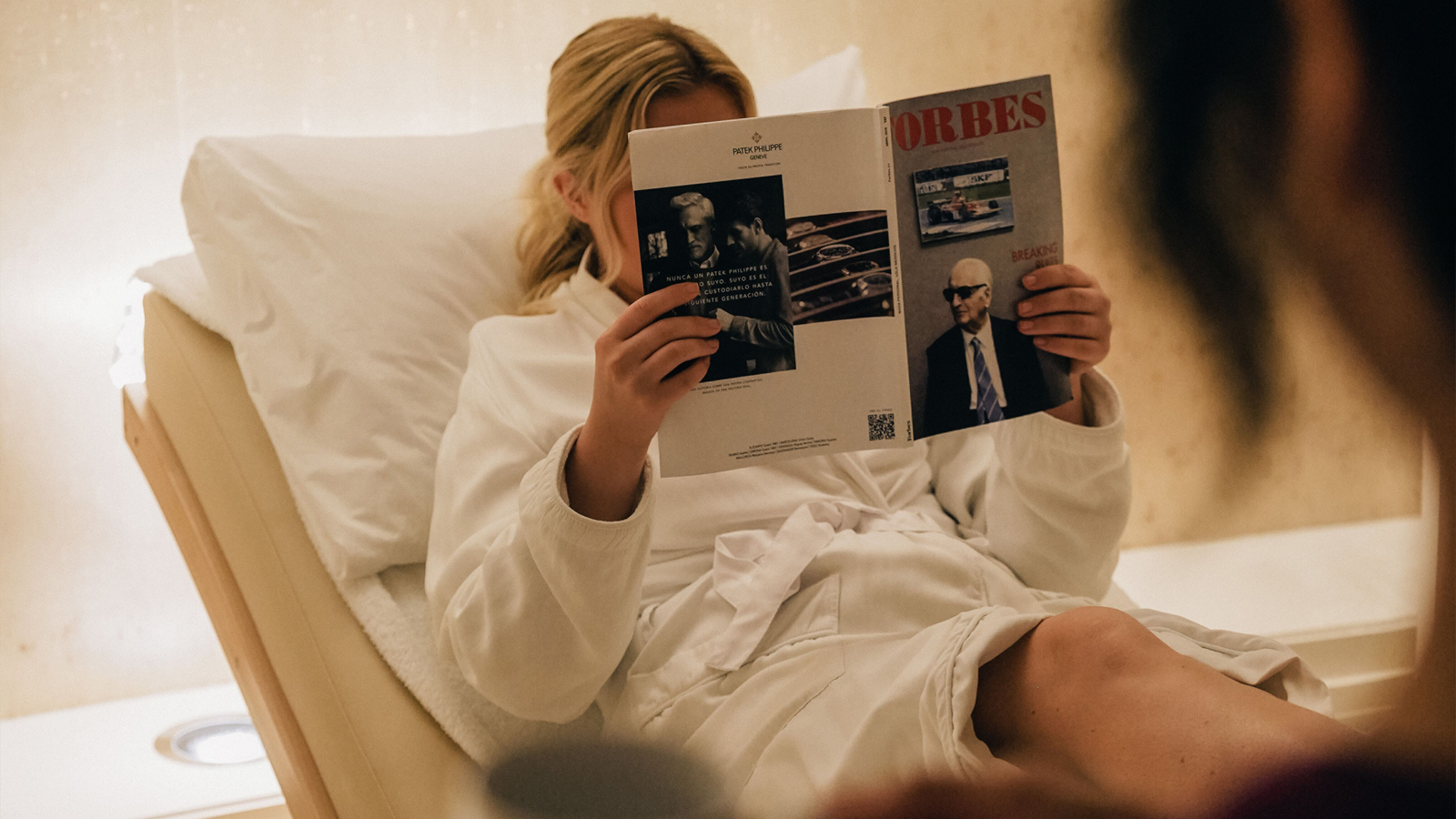
A new treatment menu in the centre of Spain's capital
Four Seasons Hotel Madrid announced a renewed selection of Natura Bissé spa treatments on 25 May 2026, presenting the programme as a blend of cosmetic techniques, personalised care and sensory experiences. The hotel's original release describes a spa extending across four levels and approximately 1,450 square metres, a substantial area within a busy European capital. The announcement gives particular attention to facial treatments such as the Diamond Illuminating Experience and Citrus Vitality Experience, alongside longer body rituals. For yacht owners and luxury travellers, the interest lies in the contrast between urban Madrid and a more leisurely journey by sea. A few days in the city can offer galleries, restaurants and cultural activity, while a spa appointment provides a deliberate interval away from a demanding itinerary. The hotel's claims about treatment effects should be understood as descriptions from a hospitality and cosmetics provider, not as independent clinical findings or guaranteed medical outcomes.
What the hotel has introduced
The official statement describes a new menu of Natura Bissé treatments with attention to facial care, body rituals and personalisation. It highlights ingredients such as hyaluronic acid, prickly pear extract and citrus-derived vitamin C in particular preparations, together with massage and aromatherapy techniques. The Diamond Illuminating Experience is listed at 75 minutes, while the Citrus Vitality Experience is described as a 60-minute treatment. These details help a potential visitor compare the duration and character of the sessions. However, a product description does not establish that every guest will experience the same result. Skin type, sensitivity, the chosen treatment and the practitioner's assessment all matter. Anyone considering a booking should confirm the current menu and discuss relevant concerns with the spa beforehand. A treatment should be selected for suitability and enjoyment rather than in expectation of an immediate transformation promised by marketing language.
Architecture as part of the retreat
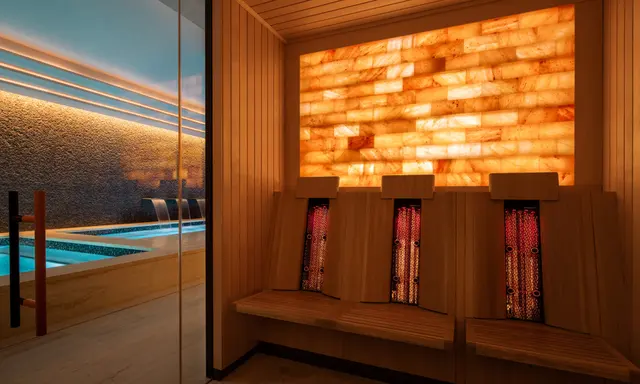
One of the unusual features of a large urban spa is the ability to create a sequence of rooms and experiences within a city hotel. The Madrid property describes its wellness facilities across several levels, offering a setting intended to separate guests from the pace of the surrounding streets. That physical separation may appeal to visitors arriving after a long journey or an intense day of meetings. Good design is not only about expensive stone and attractive lighting; it also concerns acoustics, privacy, circulation and how easily a guest can move between changing facilities and treatment rooms. A spa should feel calm without making people uncertain about where to go or what happens next. The published dimensions indicate a sizable facility, but visitors should confirm which areas are included with a particular treatment or hotel booking before assuming unrestricted access.
Personalisation without exaggerated promises
The hotel emphasises personalisation, a term that can mean anything from choosing an aroma to developing a treatment around specific preferences. The meaningful part is the conversation between guest and practitioner. A careful therapist may ask about skin sensitivity, pressure preferences, prior reactions and the outcome the client hopes to achieve. Some requests may require changes to the standard treatment or the recommendation of an alternative. A luxury appointment should allow time for that discussion rather than treating every visitor identically. Yet personalisation is not the same as medical diagnosis, and the press release does not establish that spa staff can treat every underlying condition. Guests with concerns about allergies or medical suitability should seek appropriate professional advice. The most credible wellness service is one that communicates its scope clearly and respects the individual's comfort.
The Diamond Illuminating Experience
The 75-minute Diamond Illuminating Experience was one of the treatments highlighted in the May announcement. The supplier's description focuses on cosmetic concerns such as hydration, luminosity and the visible appearance of skin, using a combination of active ingredients and massage. The hotel mentions hyaluronic acid and prickly pear extract among its components. These may be familiar to guests who follow skincare, but the presence of a recognised ingredient does not establish the effectiveness of a complete treatment for every person. The exact formulations, concentrations and suitability should be checked through the provider's current information. For travellers, the appointment may be attractive as a slower, professionally guided ritual. Its value can include relaxation and the attention given to the guest, even when results are understood in modest cosmetic rather than medical terms.
Citrus and the Mediterranean connection
The Citrus Vitality Experience is described as a 60-minute facial inspired by Mediterranean energy and involving citrus-derived vitamin C. This gives it a thematic connection to the region's light, food and sensory traditions, although the treatment itself takes place in Madrid rather than on the coast. The hotel's material associates it with freshness and radiance, but a visitor should not assume that a cosmetic preparation can replace everyday sun protection or appropriate skincare advice. Citrus-themed treatments may also involve fragrance, which some people prefer to avoid. A careful consultation can determine whether the experience fits the guest's sensitivities. The appeal of a well-designed spa ritual may lie in its sensory qualities and deliberate pace, not solely in the cosmetic claims attached to the ingredient list.
Longer body rituals
The hotel's announcement also describes a 120-minute Diamond Detoxifying Treatment incorporating exfoliation, a marine-algae body mask, serum and massage techniques. The word "detoxifying" is used in a spa marketing context and should not be interpreted as evidence that a cosmetic session removes toxins from the body in a clinically meaningful way. Normal bodily functions involve organs and processes not replaced by a wellness treatment. Guests can reasonably enjoy exfoliation, massage and a long period of relaxation without accepting unsupported health claims. A two-hour appointment also requires more time and may be tiring for some visitors, particularly after travel. The practitioner should discuss pressure, temperature and any relevant limitations beforehand. Clear, realistic explanations help guests make a choice based on comfort and personal preference.
Spa time within a cultural itinerary
Madrid has much to offer beyond its hotels. A visitor might combine an afternoon appointment with a morning exploring art, architecture or local neighbourhoods, provided the schedule is not rushed. The most successful city escape often alternates stimulating experiences with quieter periods rather than attempting to visit every landmark in a single day. Yacht owners who spend long periods in marinas or along Mediterranean coasts may welcome a short inland break. Such a journey requires transport planning, and the hotel's press material should not be used to infer current rail or flight timetables. A private car or another transfer can be arranged according to personal needs, but the value of the visit is in the time spent in the city rather than the method of arrival. A spa booking can anchor the day while leaving room for spontaneous discoveries.
The difference between treatment and retreat
A spa appointment lasting an hour or two is not the same as a multi-day wellness retreat. The Madrid programme offers specific treatments within a city hotel, and its appeal should be understood on those terms. A visitor may emerge feeling relaxed, but a single session cannot be expected to change lifelong habits or address chronic concerns. A longer holiday could include movement, good food, sleep and cultural activity, creating an experience that feels restorative without requiring claims of measurable health transformation. Travellers should avoid treating relaxation as another target to achieve. If the purpose of the visit is to spend an unhurried afternoon in a carefully designed environment, that is a valid luxury in itself. The experience need not justify itself through extraordinary results.
Privacy and discretion
Guests seeking a high-end spa often value privacy as much as the treatment techniques. The experience begins before entering the room, with booking, arrival and discussion of personal preferences. A well-run facility should make it easy to ask questions discreetly and should explain how information is handled. The hotel's release speaks to personalisation but does not provide every detail of its current privacy procedures or room arrangements. Anyone requiring particular facilities or additional discretion should contact the property directly. The design of the spa can help create a feeling of separation from the city, but professional conduct is what turns that setting into a comfortable experience. A guest should never feel pressured to discuss more personal information than is necessary for safe and appropriate service.
How to choose a treatment
The right appointment depends on the individual's interests, available time and sensitivities. A person who enjoys facial skincare may prefer one of the shorter Natura Bissé experiences, while someone seeking a long massage-based ritual may be drawn to a body treatment. The hotel's descriptions provide starting points, but the current menu and prices should be confirmed before booking. Guests should also ask whether the appointment includes access to other spa facilities and how much time to allow for arrival. Those details can affect the flow of the day. A treatment booked immediately before a flight or a demanding engagement may feel less relaxing than one with space afterward. Careful planning can preserve the intended pace without filling every minute of the visit.
The wider appeal of urban wellness
The Madrid announcement illustrates how luxury hotels are making wellness a distinct part of their identity rather than an occasional supplementary service. A large facility, specialist product partnership and carefully named rituals can create an experience for guests who might otherwise use the hotel only as a base for the city. But branding and size do not guarantee individual quality. The essential measures remain the skill of practitioners, the suitability of the treatments and the experience of the people using them. A discerning guest can appreciate beautiful surroundings while asking practical questions about techniques, allergies and expected outcomes. The best hospitality does not require visitors to suspend critical judgement; it allows them to make informed choices and enjoy the result.
What the renewed menu means
Four Seasons Hotel Madrid's 2026 Natura Bissé announcement provides clear information about several facial and body experiences, including their stated duration and the ingredients or techniques highlighted by the hotel. It does not support claims of medical treatment or universal cosmetic transformation. For luxury travellers, particularly those planning an inland pause between coastal or yachting destinations, the opportunity is to combine a substantial urban spa with Madrid's cultural life. A thoughtful appointment may be memorable because it offers time, discretion and professional care in an attractive setting. The value of the programme lies less in dramatic marketing language than in how comfortably it fits a guest's needs. As with the best yacht itineraries, a measured pace and the freedom to choose can be as important as the prestige of the destination.
Sources and image credits
Reporting based on Four Seasons Hotels and Resorts official first-party 2026 press release: Four Seasons Hotel Madrid Redefines the City’s Wellness Standard with a New Treatment Offering.
Lead photograph: Madrid Spa Treatments Pair Urban Design With a Personal Wellness Ritual — official Four Seasons first-party press photograph. © Four Seasons Hotels and Resorts, original property press photograph Original official image source.