From a spa appointment to an afternoon ritual
Four Seasons Resort Maui at Wailea has introduced Kai Holo Spa, a wellness setting whose name evokes a flowing tide and whose design draws on the volcanic geography of the Hawaiian island. Its official July 2026 announcement places an aquathermal centre at the heart of the project and presents a menu of Pacific Journeys rituals alongside contemporary treatments. For luxury yacht owners and guests, the attraction lies in a shore-based experience that can offer a change of pace after days of swimming, travel or activity aboard. A spa cannot replace the movement of the ocean or the privacy of a yacht, but it can create a controlled environment in which time is devoted entirely to recovery and relaxation. The key question is not how many facilities are present but how those spaces work together and whether they suit an individual's needs. The resort describes a carefully connected sequence rather than a series of unrelated treatment rooms.
Water as a design principle
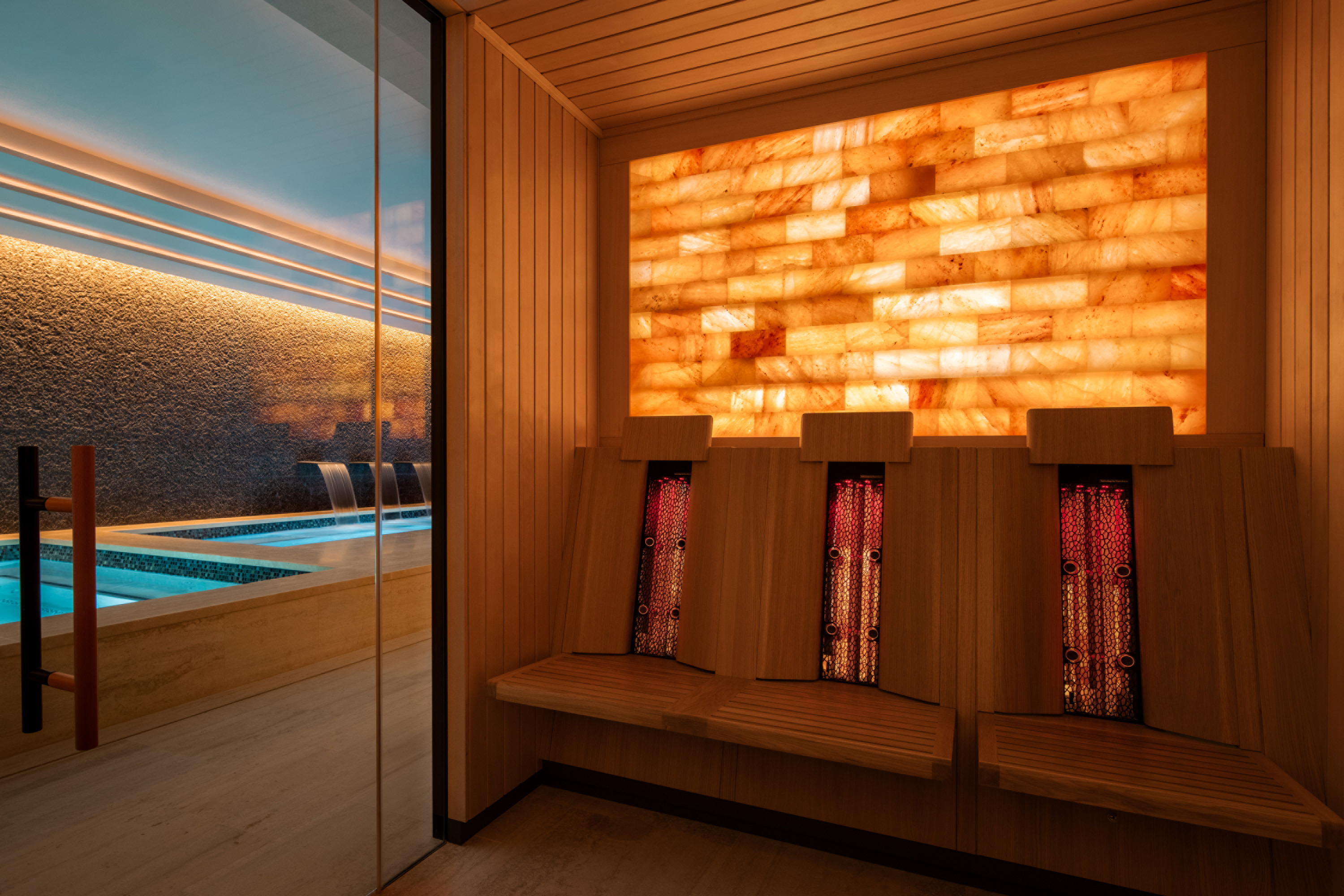
The centre uses the concept of water moving from mountain to sea. A sculptural black granite wall is intended to evoke the island's volcanic origins, while soft light and flowing water create a calmer transition into the thermal facilities. The official release identifies three hydrotherapy pools: a vitality pool, a therapeutic hot pool and a cold plunge. These offer different sensations, not a medically proven solution to every condition. Contrast between warm and cold water may feel stimulating or restorative to some guests, while others may find it uncomfortable or unsuitable. Anyone with a relevant medical concern should consult a qualified professional and respect the spa's guidance. The thoughtful element is the ability to choose a sequence rather than complete every station. A visitor may prefer a short warm-water experience and quiet rest to repeated changes in temperature. Luxury here is the freedom to make that choice.
More than a pool circuit
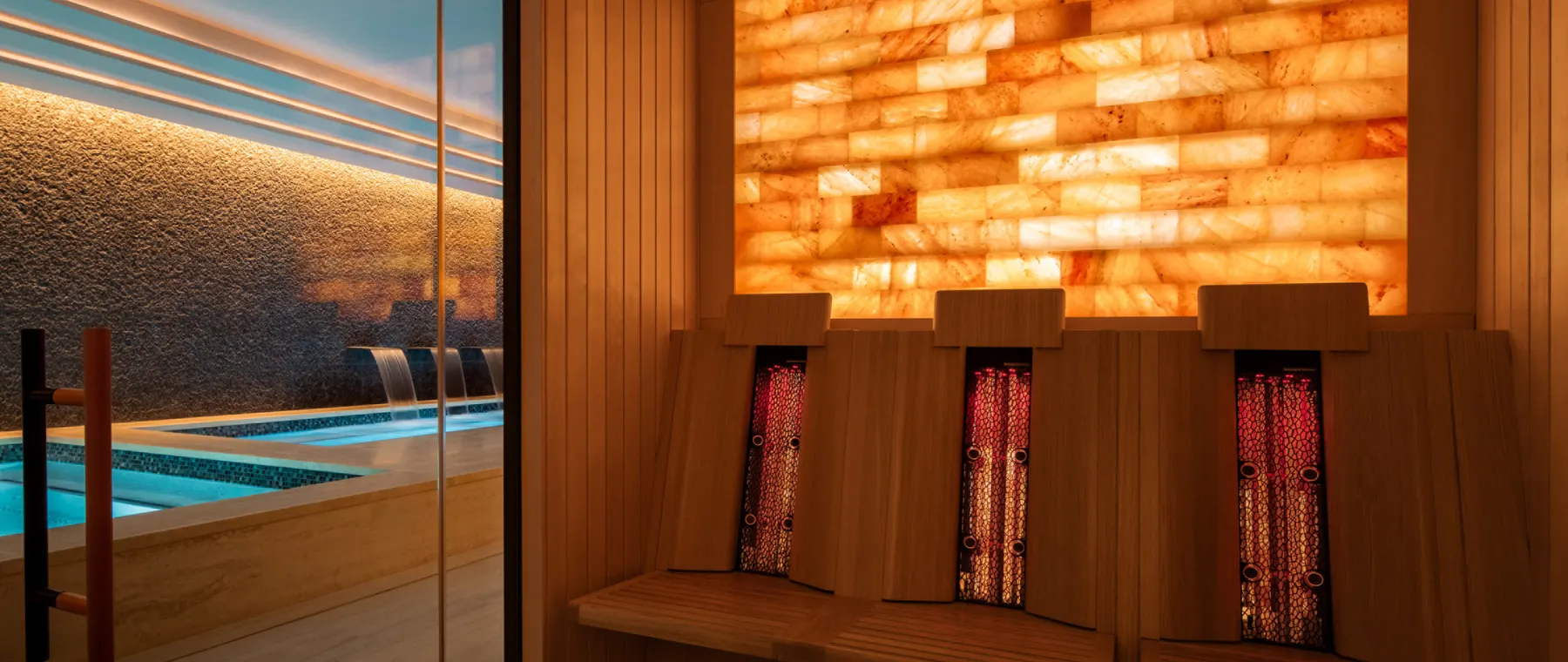
The aquathermal area also includes a steam room, sensory shower, traditional sauna and infrared sauna. Each offers a different form of warmth or sensory stimulation, and together they allow guests to build a personal routine. The appeal to travellers accustomed to compact yacht interiors may be the generous allocation of space and the absence of pressure to move quickly. It would be misleading to promise specific health outcomes from the inclusion of these facilities alone. Hydration, tolerance of heat and appropriate use matter. Guests should ask about access arrangements and whether the thermal circuit is included with a booked treatment or requires separate reservations. A spa can be exceptionally designed and still become frustrating if access is congested or the intended quiet is disturbed. Knowing the likely visitor numbers and the appropriate amount of time to allow makes the experience more comfortable.
Light and the atmosphere of recovery
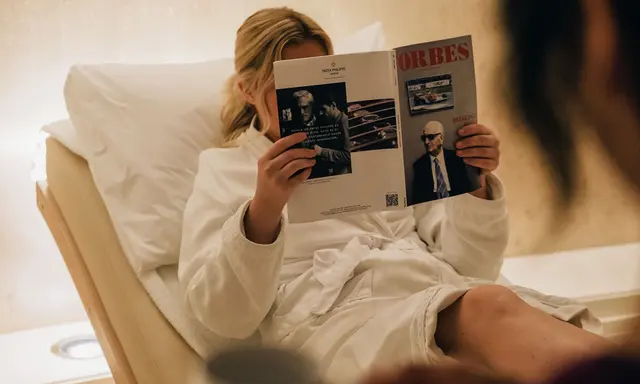
The press release describes deliberate use of light and colour in the treatment rooms, relaxation lounge and aquathermal centre, with an intention to support the natural rhythm of the day. Lighting can certainly influence a room's atmosphere, although a marketing description should not be interpreted as proof that a single spa visit resets an individual's circadian biology. The practical design questions are more straightforward: is the space bright enough to move safely, quiet enough to rest, and visually calm after a busy day? Travellers arriving from another time zone may value the ability to spend an unhurried afternoon in a subdued setting. Yacht guests often make the opposite choice, enjoying strong daylight and outdoor views. A spa provides a welcome alternative, particularly when weather limits marine activities. Good lighting contributes to comfort without needing exaggerated physiological claims.
Pacific Journeys as a sense of place
Kai Holo's treatment collection is described as Pacific Journeys, designed to connect a modern wellness programme with Hawaiian and wider Pacific inspiration. The resort names a signature oceanside ritual among the offerings. Visitors should consider what that cultural reference means in practice and whether the treatment has been developed with appropriate care and expertise. A resort's location can enrich an experience through materials, setting and knowledge, but not every use of a local word establishes cultural authenticity. Asking about the treatment's actual sequence, duration and practitioner training is a sensible step before booking. Guests who prefer traditional massage may discover that a contemporary signature ritual includes several stages, while someone seeking a simple quiet hour may not want the full programme. The best choice follows the traveller's expectations rather than the most elaborate title on the menu.
Why an appointment needs planning
A day ashore can be constrained by transport, weather, guests' schedules and the next leg of a voyage. Yacht owners considering a spa visit should contact the resort about access, appointment availability and any minimum booking requirements. The official announcement does not guarantee admission to visitors who are not staying at the property, nor does it provide a dedicated arrangement for yacht tender transfers. Travel times from a marina must be established separately. Guests should leave enough margin after their treatment to return comfortably rather than rushing directly to departure. A restorative activity can become another source of pressure if it is inserted into an overly ambitious itinerary. It may make sense to book a full afternoon or combine the spa with a hotel stay. The experience depends on having time to enjoy its spaces, not merely completing a treatment and leaving.
Wellness and the activity of island travel
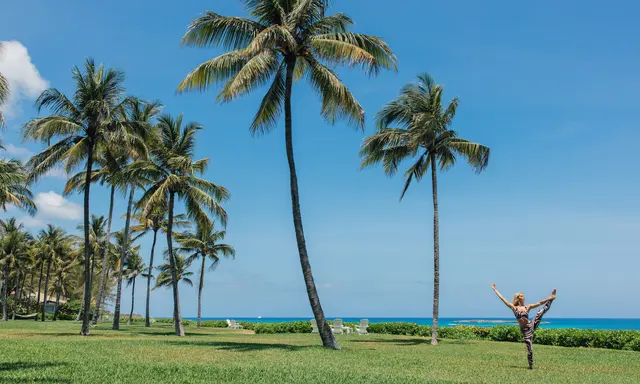
Maui offers an active setting in which hiking, swimming and exploring can be part of a holiday, while the resort itself provides a quieter environment. A thermal circuit may be attractive after such activity, but visitors should choose sensible temperatures and avoid treating intense heat as a way to compensate for dehydration or exhaustion. The press release's emphasis on personal flow can be understood more simply as choosing a pace that suits the individual. For a yacht guest, the day might begin with an early swim or time on the water, followed by an afternoon treatment and a relaxed meal. Others may prefer to spend the whole day on land and return aboard after sunset. The most satisfying itinerary recognises that wellness is not a competition in the number of experiences completed. Allowing sufficient space between activities often creates more lasting pleasure.
Service matters as much as design
Senior Spa Director Pat Makozak is quoted in the official release explaining the intention to meet guests where they are and shape a personalised journey. That idea is particularly relevant in a setting with many different thermal and treatment options. A good consultation helps identify whether a guest wants quiet rest, gentle bodywork or a more elaborate ritual. It should also establish any contraindications before heat or other intensive treatments begin. Guests may have different comfort levels and should feel able to decline a particular step without embarrassment. Service quality is seen in those small interactions as much as in the architecture. Yacht owners accustomed to highly personalised hospitality may expect the same discretion ashore. They can help by communicating preferences in advance and treating the spa team's professional guidance as more important than a dramatic marketing description.
A retreat that reflects its landscape
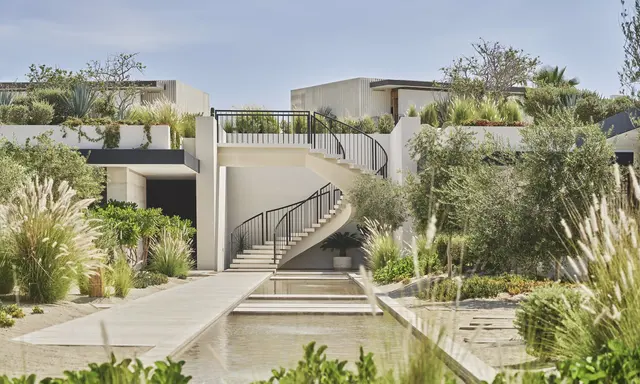
The black granite, water features and references to island tides connect the design to Maui without requiring the spa to imitate an outdoor beach. This approach can be more convincing than simply decorating treatment rooms with tropical motifs. Visitors may appreciate the contrast between the island's open coastline and the carefully enclosed calm of a thermal suite. Yet an environmentally inspired aesthetic should not be confused with documented environmental performance. The official release provides design and treatment details but does not give a complete energy or water-use assessment for the spa. Travellers interested in sustainability can ask the resort about operational practices. Water-rich facilities require resources, and serious environmental evaluation needs evidence beyond the appearance of natural materials. A thoughtful guest can enjoy the experience while remaining interested in how it is operated.
Building a day around the experience
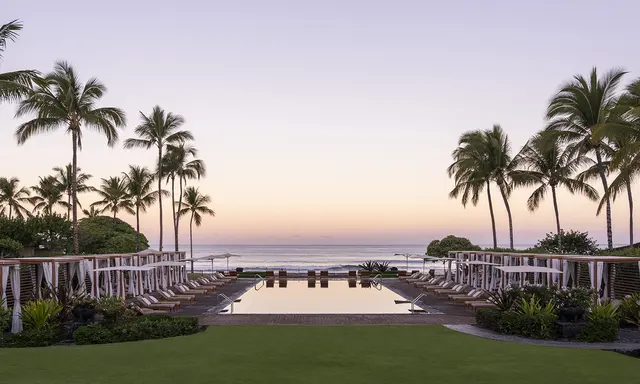
An effective visit begins by deciding whether the guest wants one treatment or extended use of the aquathermal facilities. The resort's own booking team can clarify the access policy, available appointments and the recommended arrival time. It may also be worth discussing any additional hotel dining or relaxation options, though the spa announcement does not establish that those are included in treatment prices. A couple may want parallel appointments while retaining separate preferences, and a family group may need to confirm age restrictions. These practical details matter more than a glossy image of an empty pool. A spa day works best when it is planned for the actual people attending. On a yacht itinerary, there should also be a reliable plan for returning aboard without rushing into an evening transfer during unfavourable conditions.
Interpreting wellness claims with care
The language of restoration and transformation is common in modern luxury hospitality. It can describe how people hope to feel after taking time away from work and constant travel, but it should not be treated as an individually guaranteed medical outcome. Kai Holo's facilities may offer pleasant warmth, cooling, relaxation and professional bodywork. Guests' responses will vary, and intensive treatments are not appropriate for everyone. A useful distinction is between a setting designed to encourage rest and a clinical intervention whose effects require a different standard of evidence. Travellers seeking medical advice should consult qualified professionals rather than infer it from the spa's marketing. The strongest aspect of this announcement is the clear description of the spaces available and the care taken over the guest journey. Those are features a visitor can assess directly.
A meaningful addition to the Maui travel landscape
Kai Holo Spa offers a specific, identifiable wellness destination within Four Seasons Resort Maui at Wailea: three hydrotherapy pools, steam and sauna facilities, carefully designed lighting and a programme of Pacific-inspired treatments. Those are useful facts for travellers deciding how to spend time ashore. The resort's July 2026 announcement provides the primary account, while the actual experience will depend on bookings, individual preferences and the quality of service on the day. For the 12-to-23.99-metre yacht audience, the attraction is not a promise that one afternoon can solve every form of fatigue. It is the opportunity to exchange a busy marine itinerary for an intentionally quieter rhythm. When used thoughtfully, a shore-based spa can complement the freedom of life on the water by providing something different: a fixed, carefully controlled place in which the only essential appointment is with one's own comfort.
Sources and image credits
Reporting based on Four Seasons Resort Maui official 23 July 2026 Kai Holo Spa opening and hydrotherapy programme release.
Lead photograph: Kai Holo Spa Brings Aquathermal Wellness and Hawaiian Rituals to Maui — official Four Seasons press photograph. © Four Seasons Hotels and Resorts / Four Seasons Resort Maui at Wailea Original official image source.