A different kind of new arrival
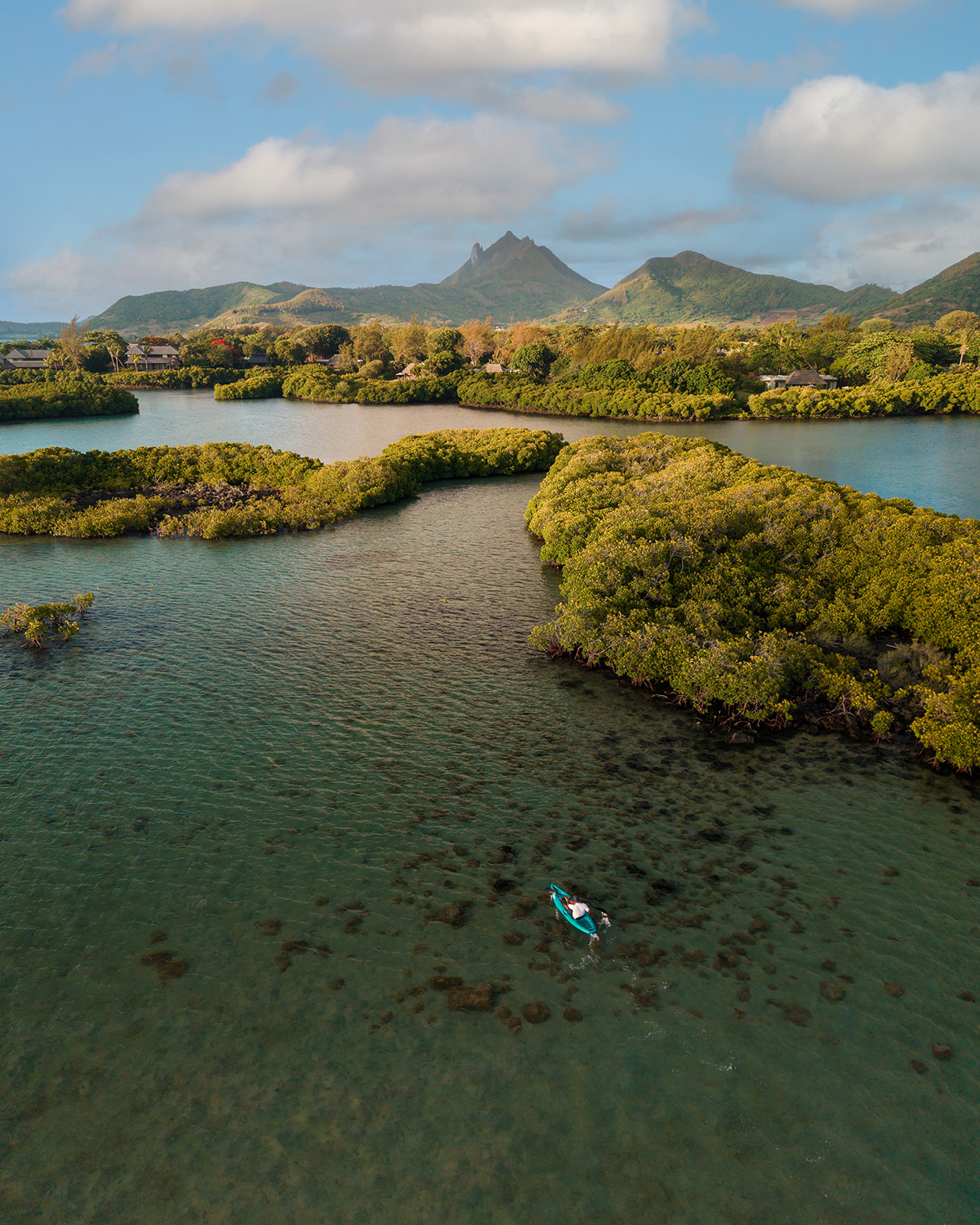
Four Seasons Resort Mauritius at Anahita has introduced a honeybee conservation initiative within its mangrove landscape, with eight carefully placed hives and an estimated half-million bees. The resort's original announcement was released on World Bee Day, 20 May 2026, following a period of renovation at the property. Working with a local beekeeper, the team has introduced colonies of Apis mellifera in an effort to support pollination and encourage guests to think about the relationship between resort gardens and surrounding habitats. The idea is relevant to luxury yacht travellers because island landscapes are more than attractive backdrops for a cruise. Mangroves, flowering plants and coastal vegetation play different roles in the health of a destination. An initiative centred on bees can help connect a breakfast table to the ecology outside the resort, provided its claims are examined with care and the insects are managed responsibly.
Eight hives in a much larger ecosystem
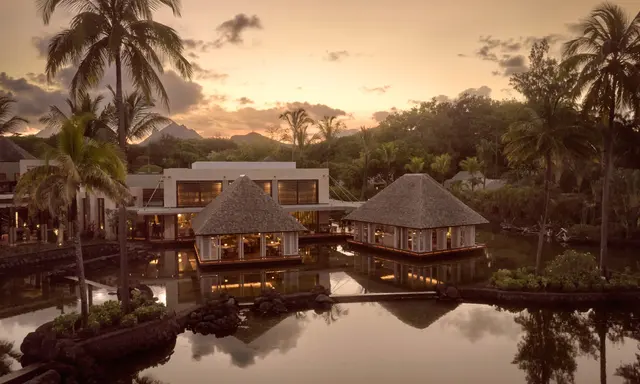
The official release describes the hives as being positioned near the resort's mangrove forest and tranquil lagoon, within grounds covering approximately 26 acres or 10.5 hectares. The surrounding landscape includes herbs, fruit trees, flowering plants and native vegetation. Honeybees visit flowers in search of nectar and pollen, and that movement can contribute to plant reproduction. It is important, however, not to assume that a single managed honeybee population benefits every plant or automatically improves the health of a whole coastal ecosystem. Pollination needs vary among species, and wild pollinators have their own ecological roles. The resort's project provides a starting point for observing those relationships. Guests interested in conservation might ask how the team monitors the colonies and whether the hives have been positioned in consultation with local ecological expertise. A luxury property can create opportunities for learning, but responsible monitoring is what turns an attractive project into meaningful practice.
The mangrove connection
Mangroves occupy the boundary between land and sea, where roots, sediment and tidal water interact. Their ecological importance can include helping stabilise shorelines and providing habitat for various coastal species. The Four Seasons announcement connects its bee initiative to flowering vegetation in and around these forests, presenting pollination as one component of habitat health. That is a useful connection, but it should not be described as bees directly restoring coral or performing ecological functions beyond their biology. For yacht owners, mangroves are often visible while travelling through sheltered lagoons and estuaries. Their presence can be easy to overlook compared with reefs or sandy beaches. A conservation project that invites attention to the trees' flowers and the life around them may broaden the way travellers understand an island. Protecting coastal ecosystems requires more than one intervention, including suitable management of water quality and human activity.
The role of a local beekeeper
The resort says it developed the initiative in partnership with a local beekeeper, an important detail because a managed hive needs inspection and ongoing care. Bees are not simply installed as decorative features and left alone. Colony health, available forage and the relationship with other pollinators can change across seasons. Expertise is also needed to avoid creating unnecessary risks for guests and staff. The resort should have appropriate procedures for hive access, protective equipment and the movement of people nearby. Visitors may be interested in the work but should not approach or disturb active hives without trained supervision. The value of local involvement goes beyond maintaining insects: it can keep practical knowledge and economic opportunities connected to the island itself. For travellers who want an authentic experience, learning from people who work in the landscape is often more rewarding than receiving only a generic description of conservation.
Honey with a sense of place
One of the project's culinary possibilities is seasonal mangrove honey, which the announcement describes as having a distinctive, subtly earthy profile. The resort refers to potential harvests two or three times per year, with honey and fresh honeycomb featured in limited hospitality experiences. It is easy to romanticise the relationship between a landscape and its honey, but flavour varies with the flowers visited, climate, harvesting and handling. No individual jar should be assumed to have precisely the same characteristics as another. A small tasting at breakfast could nonetheless give guests a tangible link to the environment they have been exploring. The original release mentions homemade pancakes and other ways of offering honey, but availability should be confirmed, particularly outside harvest periods. A seasonal food is more meaningful when its limited supply is explained rather than presented as an endlessly available luxury ingredient.
From breakfast to a larger conversation
Food can be a useful introduction to environmental subjects because it creates an immediate sensory experience. A guest who tastes honey produced near the mangroves may begin asking which plants support the bees and how those plants relate to the surrounding lagoon. The story becomes less abstract than a display panel about sustainability. Yet the hospitality team should avoid turning a small initiative into an exaggerated promise about conservation outcomes. A well-designed interpretation could explain the colony size, the beekeeper's work and the habitats involved, along with the uncertainties and limits. This approach may appeal to families travelling by yacht, where children often learn through direct observation of nature. The goal is not to make every meal an educational lecture. It is to offer accurate context when curiosity arises and allow guests to choose whether to explore further.
The importance of not disturbing wildlife
Bees are useful insects, but active hives need to be managed in ways that protect both the colony and people nearby. Guests with a known severe allergy should discuss their needs with the resort and follow professional medical advice. It would be inappropriate to promise that any garden setting involving bees is risk-free. The location of hives away from busy circulation routes, the timing of visits and the supervision of any demonstration all matter. Yacht owners may encounter similar considerations when anchoring near shorelines rich in flowering vegetation or taking tenders through mangrove areas. Wildlife should be observed without interference, and visitors should avoid removing branches, nesting materials or other elements of the habitat. Respectful conduct is part of luxury travel. A comfortable destination is not one in which the natural environment has been made harmless through complete control, but one in which people and wildlife can coexist with appropriate care.
A different perspective on resort gardens
Luxury hotels often maintain elaborate tropical gardens, and guests naturally respond to their colour and fragrance. The Mauritius bee initiative invites a different question: what ecological work does the planted landscape perform? Flowering herbs, fruit trees and native species can provide forage for insects, but their role depends on the wider habitat and management practices. Gardens may also require irrigation, maintenance and choices about which plants are introduced. A thoughtful landscape plan considers these consequences alongside appearance. Travellers interested in sustainability can ask the resort about native planting, pesticide management and how it tracks the results of the bee project. The press release provides an encouraging account but not a full ecological assessment. The most credible claim is that the resort has established a specific programme with measurable elements, such as hives and beekeeper involvement. Broader biodiversity benefits should be evaluated over time.
The yacht guest's opportunity to learn ashore
Visitors arriving from a yacht may be especially aware of the relationship between marine habitats and the shoreline. They see changing water clarity, beaches, reefs and the effects of weather during a voyage. A short conservation-oriented stop can add context to those observations. The resort's initiative does not establish a dedicated yacht arrival programme or guaranteed tours of its apiary, so those arrangements should be confirmed directly. Guests could nevertheless consider a visit that includes responsible exploration of the property and a discussion of the work with trained staff if available. The experience might be paired with a quiet meal rather than a long list of activities. The benefit lies in learning how a coastal destination functions beyond its luxury accommodation. A yacht offers mobility; a well-informed stay ashore provides a closer look at one particular place.
Conservation and marketing should remain separate
Sustainability language is prominent throughout luxury travel, but credible programmes need defined objectives and transparent evidence. The introduction of eight hives is a concrete action, yet it is only one part of the resort's environmental footprint. Honey production itself does not prove that mangroves have become healthier or that other wildlife populations are increasing. A rigorous assessment would consider habitat management, local pollinator ecology and any monitoring data available over several seasons. It might also identify challenges or adjustments rather than presenting every outcome as an immediate success. Guests can appreciate the project while asking informed questions. That combination is more constructive than either uncritical enthusiasm or the assumption that all hospitality-led conservation is cosmetic. The resort's partnership with a local beekeeper provides a potentially valuable foundation if it is supported by ongoing observation and responsible management.
Interpreting the island's coastal landscape
Mauritius offers a variety of coastal environments, from beaches to mangrove-lined waters and more developed resort areas. Travellers may be tempted to judge a destination solely by water colour and the view from a terrace. The bee project encourages a slower look at the details: flowering vegetation, the sound of insects, changes across the season and the work required to keep a habitat healthy. That attention can extend to other choices, including how visitors use boats and tenders near sensitive shorelines. Reducing unnecessary disturbance, following local access rules and respecting protected areas are meaningful actions. The resort's announcement is not a guide to every environmental issue facing Mauritius, and its achievements should not be overstated. It is one example of how a luxury property can make a particular ecological relationship visible to guests.
An experience rooted in the place
The most distinctive part of the Four Seasons Mauritius project is the link it proposes between an everyday ingredient and the island's living landscape. Eight managed hives, local beekeeping expertise and seasonal honey offer details that guests can understand and potentially experience. Their ecological effects require careful monitoring, but the project already provides a reason to ask how gardens and mangrove habitats support life beyond the resort. For owners and guests of 12-to-23.99-metre yachts, such a visit can complement time spent exploring Mauritius from the sea. The honey may be memorable, yet the greater value is a more attentive way of experiencing the coastline. Luxury travel becomes richer when it includes room for curiosity about the environment on which the destination depends.
Sources and image credits
Reporting based on Four Seasons Resort Mauritius at Anahita first-party 20 May 2026 mangrove honeybee conservation initiative press release.
Lead photograph: Mauritius Mangrove Honeybees Connect Luxury Hospitality and Island Conservation — official Four Seasons press photograph. © Four Seasons Hotels and Resorts / Four Seasons Resort Mauritius at Anahita Original official image source.