Two expressions of light in the same exhibition
The fine-jewellery house CADAR is preparing an immersive presentation for Design Miami 2026 that links two very different kinds of object through the behaviour of light. According to the fair's current partner programme, the project introduces a new expression of Circle of Light, Michal Kadar's collection of sculptural vessels, alongside Spark, a diamond fine-jewellery collection. The organisers describe an exploration of light, material and movement, not simply a product display arranged in a retail case. Design Miami is scheduled to run from 1 to 6 December, making this a preview of a forthcoming installation rather than a review of a completed exhibition. The distinction is important because the official description identifies the themes and collections but does not yet document the exact installed layout or all of the individual works.
A jewellery language extended into objects
CADAR is known principally as a jewellery house, yet Circle of Light shows how a design vocabulary can move from wearable objects into a different scale of experience. A piece worn close to the skin is frequently encountered through touch, movement and changing reflections. A vessel occupies a table, shelf or room, where similar qualities can be experienced by several people at once. The movement from jewellery to interiors is therefore not a simple enlargement. The user encounters weight, surface, scent and light differently, and the arrangement of objects becomes part of the room's character. This connection gives the Miami presentation more substance than the coexistence of two collections under one brand. Both invite consideration of how an object interacts with its surrounding atmosphere.
The construction of Circle of Light
CADAR's official description of Circle of Light provides useful detail about the underlying collection. The house identifies the series as luxury candles housed in handmade modular glass vessels, developed with Italian glassmaker VENINI and perfumer Alberto Morillas. Each design is composed of two or three distinct elements that come together to form a complete sphere. The individual components can be assembled in different combinations, giving the owner a degree of participation in how the object appears. That principle of construction matters because the vessel is not an ordinary disposable container around a fragrance product. Its pieces are intended to be read as a designed whole, and the relationship between their shapes is as important as any single colour or surface treatment.
A collaboration spanning glass and scent
The collaboration brings together three different forms of expertise without making them interchangeable. VENINI contributes a long tradition of Italian glassmaking, Alberto Morillas supplies a perfumery perspective and Michal Kadar provides the creative direction of the CADAR project. Glassmaking is concerned with heat, technique, material behaviour and the control of form; perfumery with the character and evolution of a scent; jewellery design with scale, detail and an object's relationship to a person. Their meeting within a candle collection is unusual because the finished piece is experienced through multiple senses. CADAR says the scents may be enjoyed individually or layered, further extending the modular idea. The 2026 fair announcement refers to a new expression of Circle of Light, so it would be misleading to assume every displayed vessel is identical to an earlier product photograph.
The meaning of a sphere
CADAR describes the joined vessel as a complete sphere, a deceptively simple geometric decision. A sphere appears continuous, but making it from two or three distinguishable pieces introduces seams, transitions and decisions about how surfaces meet. These divisions can turn an apparently stable form into a sequence of visual discoveries. Depending on the material and lighting, an observer may notice a junction line, a reflection or a difference in transparency before recognising the complete object. The design raises the question of whether completion must mean visual uniformity. This is a useful idea in collectible design, where evidence of making and assembly can be more compelling than a flawlessly anonymous exterior. The argument is an interpretation of the published construction method, not a claim about a specific unreleased vessel.
Spark brings fine jewellery into the dialogue
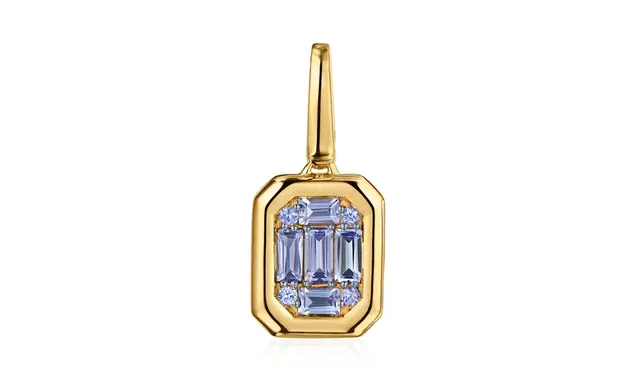
The organiser's 2026 announcement separately names Spark as CADAR's diamond fine-jewellery collection. That is the confirmed description, and it deserves a clear boundary around what has not been supplied: there is no verified stone-by-stone inventory, price schedule or catalogue of the precise pieces planned for the Miami display in the material reviewed here. What can be explored is the relationship between diamonds and the installation's central theme. Faceted gemstones respond to changes in light and movement, so their appearance is inseparable from viewing conditions. The same visitor may encounter a translucent or reflective vessel at the scale of a room and then a diamond setting at the scale of the hand. Pairing those perspectives offers an opportunity to think about design from intimate detail to architectural environment.
Why this belongs at a design fair
A jewellery maison could present a collection in a conventional boutique without needing to explain why it belongs in a design conversation. Design Miami asks for a different framing: objects are discussed in relation to authorship, material innovation, craft and a wider cultural narrative. CADAR's described presentation uses the contrast between jewellery and vessels to explore these questions. The result is not automatically an artwork merely because it appears at a collectible-design fair. Nor does a practical function remove artistic interest. The informative question is how the pieces are developed and presented so that their form, physical interaction and meaning become visible. The final installation, once open, will provide the evidence needed to judge whether that intention has been realised.
An interior scale relevant to yachts
Lighting and decorative objects can have outsized influence on the atmosphere of a yacht salon, particularly when the available surfaces and sightlines are carefully controlled. Smaller vessels, sculptural lighting and collectible ceramics may be chosen not only as isolated ornaments but as parts of an interior composition. Circle of Light offers a useful reference for owners and designers because it treats an object as changeable rather than permanently fixed in one appearance. A modular vessel can conceptually support seasonal styling or a different mood in the same room, although the specific pieces require appropriate handling and placement. These ideas do not mean the collection has been engineered for marine use. Material resistance, secure stowage, breakage risk and installation constraints would need to be evaluated for a particular vessel.
Safety is not an aesthetic afterthought
Candles introduce a special responsibility in any setting, and especially aboard a moving yacht. Open flames, hot surfaces, fragile glass and proximity to fabrics or other materials must be considered within a vessel's fire-safety procedures. The fact that a product has a luxury provenance or beautiful handmade construction does not grant an exception. Some interiors may find a safely displayed, unlit vessel more appropriate than active candle use; the correct approach depends on the yacht's own rules and the manufacturer guidance. A design feature can retain its sculptural interest without being used continuously for its original function. This separation between appreciation and operation is a practical lesson from any collection that bridges decorative form and a product intended to burn.
Light as a material of its own
Glass and diamonds differ greatly in composition and scale, yet both can produce effects that depend on the viewer's position and the surrounding illumination. A softly diffused glow may reveal a vessel's thickness or curvature, while a jewellery display can use controlled highlights to draw attention to facets and settings. These are familiar principles of optical experience rather than confirmed technical descriptions of the forthcoming installation. The significance of the fair's emphasis on movement is that the object does not need to move mechanically for its appearance to change. A visitor walking around it, or daylight shifting over time, may be enough. An effective exhibition would help people recognise that interaction rather than treating light as background decoration.
The question of lasting value
Collectors considering contemporary objects need to separate emotional appeal from assumptions about financial appreciation. CADAR's collaboration, specialist making and modular construction may support a compelling provenance story, but the fair listing does not establish resale prices, edition sizes or future demand for new 2026 pieces. The stronger questions involve documented authorship, whether an object can be serviced or repaired, how its components are recorded and what information accompanies a purchase. Fragrance products also create a different conservation issue from a conventional sculpture because their consumable elements may change over time. That does not diminish their design importance; it simply calls for thoughtful ownership. A responsible collector should understand both the permanence of the vessel and the more temporary qualities of its sensory experience.
The distinction between past work and the new presentation
Circle of Light already has a documented identity on CADAR's official website. The 2026 Design Miami partner listing uses the phrase a new expression, which signals development without spelling out every change. It would be premature to say that the fair will introduce a wholly new manufacturing process, previously unseen material or particular retail assortment without further evidence. Likewise, an advance publicity photograph should be labelled as a preview image, not presented as a photograph taken inside an event that has not opened. These qualifications protect the reader from an increasingly common confusion in luxury reporting, where early announcements are written in the past tense as though an installation has already been inspected. The present report deliberately preserves that chronology.
The wider craft conversation
CADAR's project also belongs to an ongoing discussion about how traditional crafts remain relevant when their products move between categories. Venetian glassmaking can appear in architectural installations, chandeliers, vessels or decorative collections, each demanding different decisions about scale and purpose. Fine jewellery likewise extends beyond the mechanics of stone setting to include storytelling, materials and modes of presentation. Rather than reducing craftsmanship to a familiar heritage label, the Miami presentation creates an opportunity to examine what makers actually contribute. Collaboration is most interesting when the participating disciplines retain their identities while influencing the final object. The published details point toward this possibility, but serious evaluation will require a closer look at finished pieces and the people who made them.
What to verify after the opening
Design Miami is scheduled for 1–6 December 2026, and the current information supports a carefully defined preview: CADAR plans a presentation of Circle of Light sculptural vessels and Spark diamond jewellery with light, material and movement at its centre. It does not yet justify a review of visitor reactions, a list of sold works or a claim that the installation has received awards. A follow-up should establish the precise pieces shown, their credits, any edition or acquisition information and how the exhibition handles illumination in practice. The factual starting points are the Design Miami 2026 official partners listing and CADAR's own Circle of Light collection description. Together they reveal an intriguing collaboration between jewellery and interior-scale craft without pretending that the exhibition's outcomes are already known.