A jewellery journey designed around New York's collections
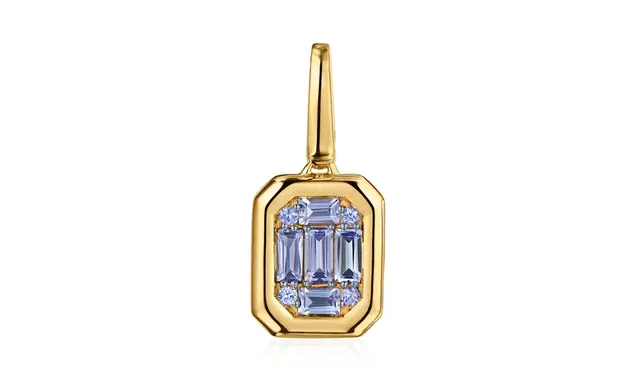
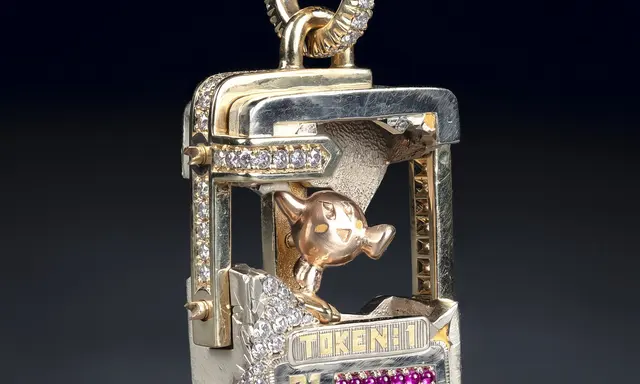
Four Seasons Hotel New York Downtown has introduced The Art of Gems, a seasonal private experience that approaches jewellery as a combination of natural history, craftsmanship and collecting. Announced on 23 November 2026, the hotel describes a hosted itinerary incorporating the American Museum of Natural History's Hall of Minerals and Gems, The Metropolitan Museum of Art and access to a private jewellery salon. Rather than presenting shopping as a single appointment, the experience is designed to build an understanding of stones, design traditions and personal taste before any decision to acquire a piece. That is a useful distinction for travellers who regard exceptional objects as part of a wider cultural experience.
Beginning with the stones, not the sales counter
The Hall of Minerals and Gems offers a way to consider how gemstones are formed, classified and valued before they become part of a necklace, ring or other object. A hosted visit can encourage more thoughtful questions about colour, clarity, rarity and treatment than a conventional luxury retail presentation. Yet museum education and commercial appraisal serve different purposes. A visitor should not infer that admiring a museum specimen establishes the market value of a similarly coloured stone elsewhere. An informed buyer still needs independent gemmological documentation, a clear understanding of provenance and, where relevant, advice about the potential costs of maintenance or insurance.
Design history at The Metropolitan Museum of Art
The Metropolitan Museum of Art brings a different form of expertise to the itinerary: objects can be considered in the context of a particular period, artistic movement or patron. Jewellery is often a small but revealing expression of the technologies, beliefs and tastes of the time in which it was made. Understanding that background can transform a purchase from an impulse into a deliberate choice. The hotel's release refers to guided cultural exploration, but it does not promise that every collection or private gallery will always be available. Museum schedules and access arrangements are subject to the institutions' own rules and should be confirmed for the guest's chosen date.
Why private salon access changes the conversation
A private presentation can give a serious collector the time to examine workmanship, compare pieces and discuss personal priorities without the distractions of a busy public shop floor. Its value depends on transparency as much as exclusivity. Visitors should know which house or specialist is presenting items, whether the encounter is purely educational, and what commercial terms would apply to a purchase. The experience's published description promises tailored appointments but does not establish a universal list of objects, fixed investment returns or a guaranteed opportunity to buy a particular rare stone. The most useful outcome may be a better-informed collector rather than a transaction.
A Tribeca base for a culturally focused visit
The hotel's position in lower Manhattan makes it a logical base for combining the itinerary with New York's galleries, restaurants and design neighbourhoods. Tribeca's appeal lies partly in the contrast between its relatively restrained streets and the scale of cultural institutions elsewhere in the city. A visitor arriving from a coastal cruising itinerary may appreciate a few nights in an urban environment where art, dining and independent appointments replace the pace of life aboard. Four Seasons describes personalised pre-arrival arrangements and private transport, which can simplify a multi-stop day. Nonetheless, traffic, museum entry windows and changes in appointment timing need realistic allowances.
What a bespoke schedule ought to include
Travellers considering The Art of Gems should describe their interests before departure: natural diamonds or coloured gemstones, antique craftsmanship, contemporary design, restoration, or a milestone piece. Those preferences affect which experts and objects are most valuable to encounter. A well-planned day also needs sensible intervals to absorb information, make notes and compare what has been seen. Trying to inspect a museum collection, conduct an extended salon visit and attend a major evening event without breaks may create fatigue rather than pleasure. The official announcement emphasises tailoring, and an effective itinerary should take that promise seriously rather than simply maximise the number of appointments.
The importance of responsible provenance
For buyers of important jewellery, documentation can be as significant as visual appeal. A jeweller should be able to explain what is known about a stone's origin, whether it has been treated, how it was graded and what evidence accompanies the object. Claims of ethical sourcing and traceability vary across gemstones and supply chains; an attractive certificate or memorable story is not always conclusive. These questions do not diminish the enjoyment of acquiring a fine object. They can increase confidence and make eventual servicing, valuation or resale more straightforward. The hotel experience supplies a cultural setting for such questions, not a substitute for independent professional due diligence.
Objects that travel between homes and yachts
Luxury-yacht owners often move between multiple residences, hotels and vessels. That pattern makes jewellery storage, transport and insurance especially relevant. A treasured piece may be more secure in a designated insured residence or specialist vault than in luggage carried through several countries. Travellers should consider declared-value coverage, the conditions attached to wearing items outside the home, and customs requirements on international movement. A hotel safe is a convenience, not necessarily an unlimited insurance guarantee. Anyone planning to buy or transport an exceptional gemstone while travelling should check these arrangements before the appointment, not after a purchase is made.
Looking beyond price and rarity
Jewellery collecting includes aesthetic judgement that cannot be reduced to a numerical grade. The way a stone is set, how a piece balances on the body and whether the design remains pleasing over years of use matter just as much as a dramatic specification. Vintage objects raise questions of restoration and original condition; contemporary pieces may require specialised future servicing. A good private presentation should allow visitors to compare these qualities carefully and to ask why particular choices were made by the craftsperson. The Art of Gems' museum component could be especially helpful here, offering a broader vocabulary for design rather than concentrating exclusively on carat weight.
The role of expert guidance
Specialists can explain scientific and historical details that a visitor would struggle to obtain from labels alone. But their roles should remain clear. A museum guide may offer authoritative context about a collection without providing commercial purchase advice; a jewellery representative may understand a house's craftsmanship while also having an interest in a sale. Guests benefit from asking precise questions and distinguishing verified facts from opinion. Where a proposed purchase is exceptionally valuable, independent gemmological or legal advice can remain appropriate even after a polished private experience. Expertise is most useful when its scope and incentives are transparent.
Making the experience personal rather than ceremonial
A memorable jewellery itinerary may centre on a personal anniversary, inheritance, family celebration or the wish to learn a new collecting discipline. These motivations call for different approaches. Someone selecting a gift may need discreet discussion about preferences and fit; a collector might care more about originality, condition and maker history. The hotel's announcement frames The Art of Gems around significant moments and individual interests, which leaves room for very different itineraries. Guests should resist the assumption that an exclusive programme needs an extravagant purchase to justify it. Private access and a deeper understanding of craftsmanship can be valuable experiences in themselves.
What the announcement does not establish
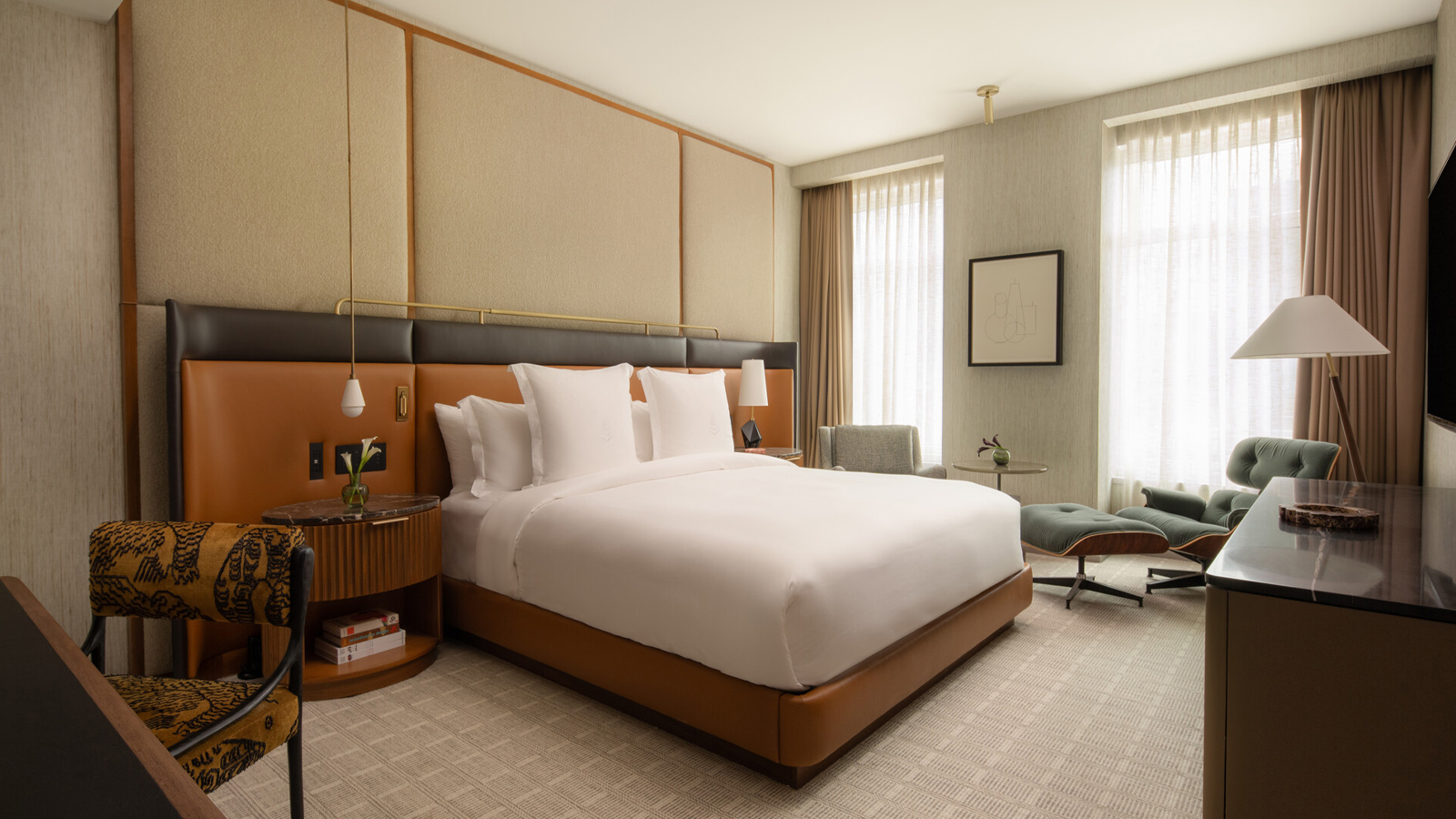
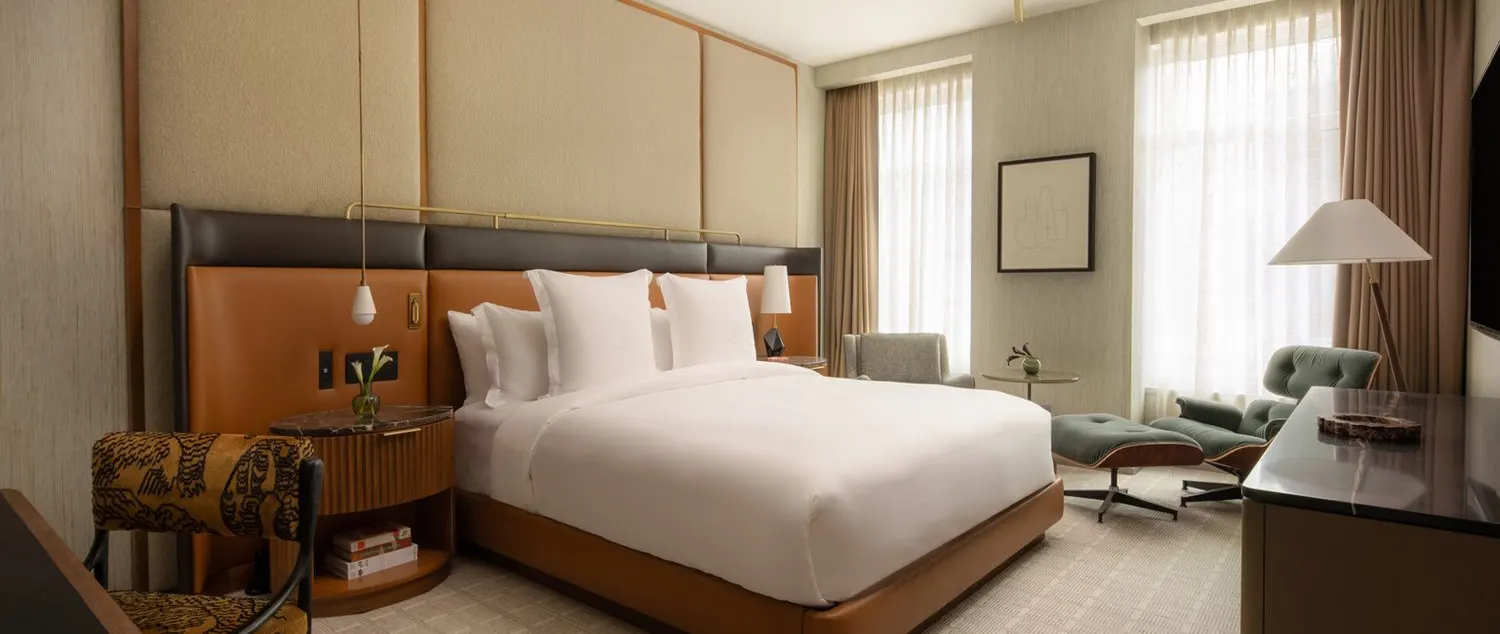
The release does not publish a universal price, a complete list of salon pieces or a fixed entitlement to privately view every section of the museums. Nor does it independently verify the future value of jewellery purchased through an associated appointment. The hotel offers a carefully arranged hospitality experience built around cultural access and expert-guided visits. Its actual inclusions, availability and commercial arrangements should be confirmed with the property. Photographs supplied in the press release illustrate the hotel and the experience context; they should not be described as evidence of a particular gemstone being offered for sale to every guest.
An urban addition to a yacht owner's calendar
For owners whose usual travel revolves around Mediterranean marinas or Caribbean anchorages, an intentional cultural weekend can provide a rewarding contrast. The Art of Gems is not a yacht event, but its bespoke nature speaks to the same audience that values knowledgeable service and experiences arranged around personal interests. A short stop in New York may be combined with art appointments, private dining or broader family travel without needing to compress everything into one day. What makes this offering distinctive is its sequence: natural history, artistic interpretation and private presentation. That progression encourages guests to look, learn and reflect before deciding what, if anything, to acquire.
A considered interpretation of modern luxury
The Art of Gems illustrates a shift in luxury hospitality away from selling access alone and toward making that access intellectually meaningful. A private museum visit and a salon appointment become more rewarding when they form part of a coherent story about the materials, skills and design choices behind the object. Four Seasons' 23 November announcement supplies the factual outline; the wider questions of authentication, insurance, transport and responsible collecting are practical considerations for travellers rather than claims about additional services provided by the hotel. For a collector, the most enduring result may be the ability to recognise and value craftsmanship with greater independence long after the visit to New York is over.
Sources and image credits
Reporting based on Four Seasons Hotel New York Downtown Unveils "The Art of Gems," an Exclusive Jewelry Journey for the Holiday Season.
Lead photograph: New York Art of Gems Recasts Jewellery Collecting as a Cultural Journey — official Four Seasons first-party press photograph. © Four Seasons Hotels and Resorts, original property press photograph Original official image source.