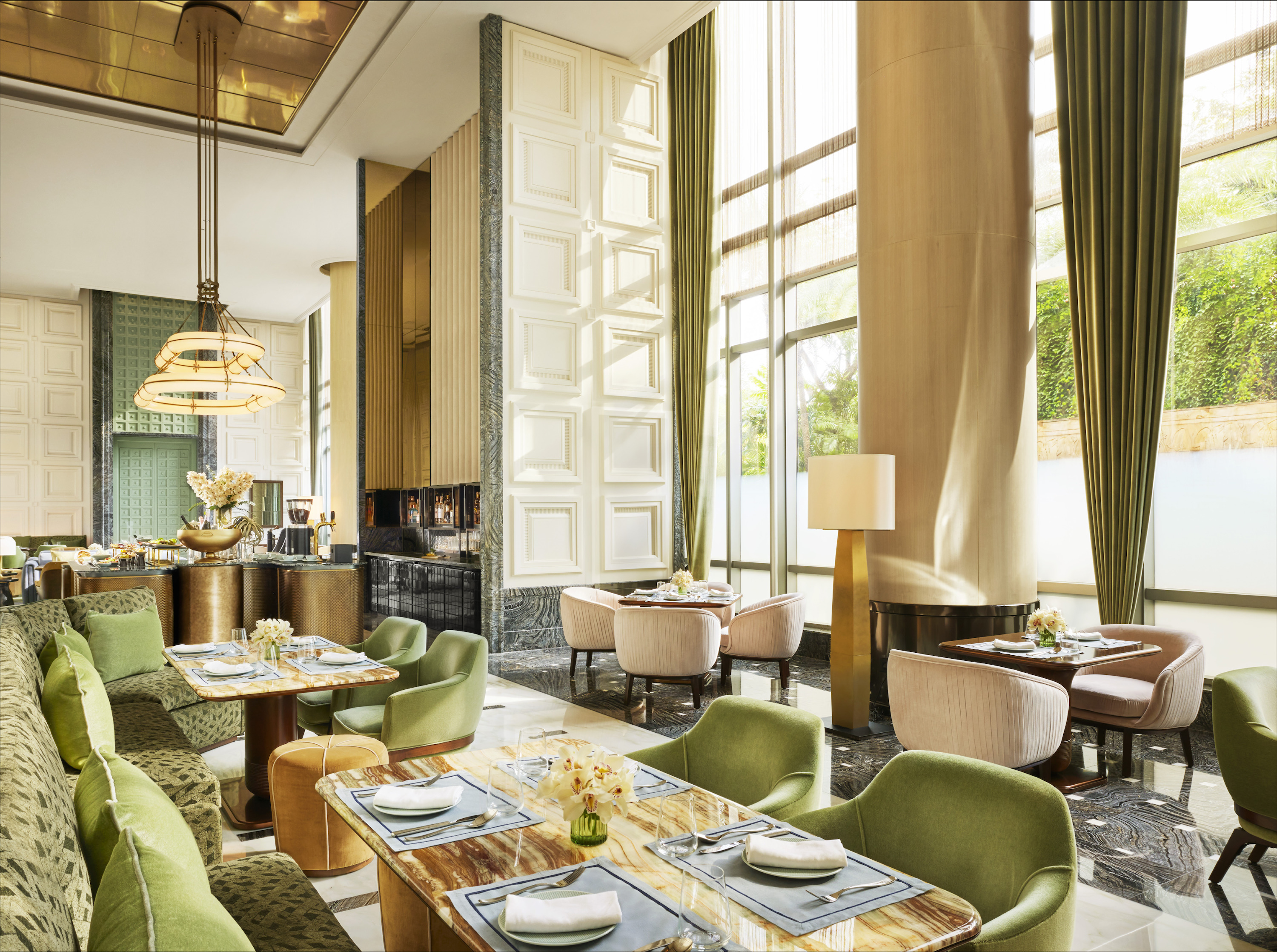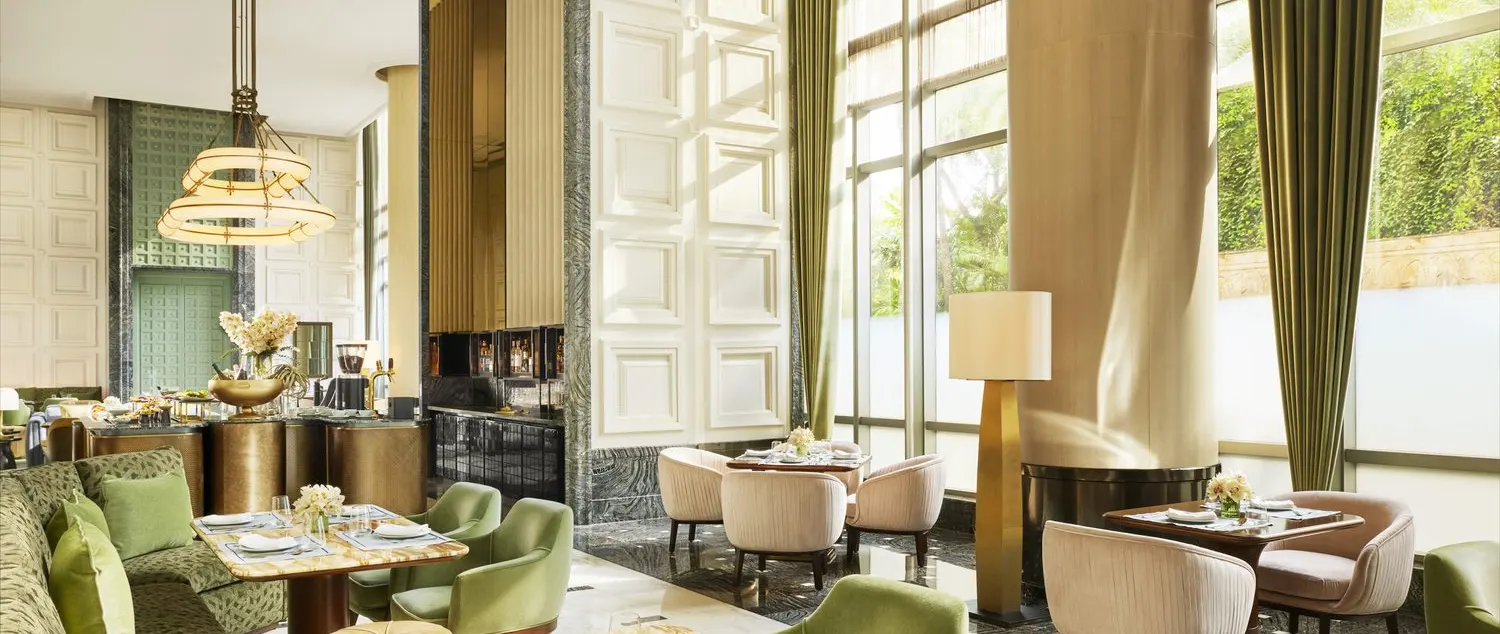
Winter truffles arrive at Mumbai's Opus
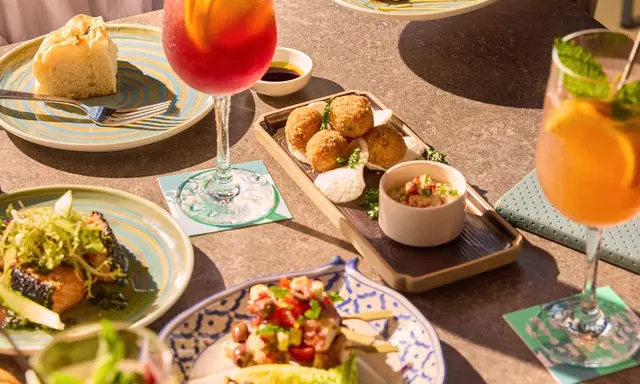
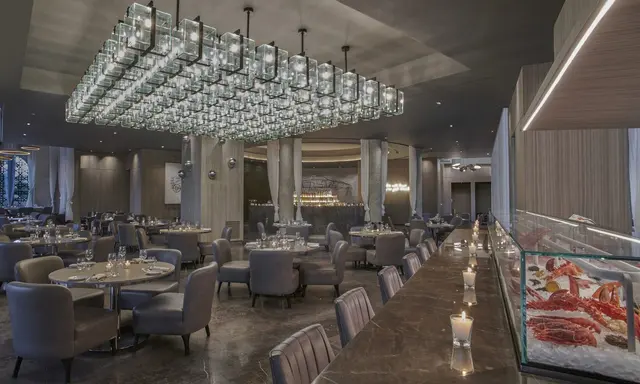
Four Seasons Hotel Mumbai is using the short seasonal appeal of black truffles to frame a special menu at Opus, its all-day dining restaurant. The Truffles and Winter Warmth programme runs from 13 to 29 November 2026 and brings the distinctive aroma of truffle into pasta, vegetable dishes, seafood and richer main courses. The hotel describes combinations including mushroom and Taleggio cappelletti, duck agnolotti, scallop crudo and truffle-accented Chilean seabass. It is a focused dining event rather than a permanent change to the restaurant's identity. For discerning travellers in Mumbai this month, the interest lies in how a kitchen treats one ingredient across very different textures and flavours.
Why truffle season creates a sense of occasion
Fresh truffles have an unusual relationship with time. Their aroma changes after harvesting and handling, and a short serving window can help a kitchen make a particular ingredient feel special. Diners should not assume that every preparation uses the same quantity or form of fresh truffle. A sauce, an infusion and a shaving at the table create different sensory effects. The published Opus menu offers a series of interpretations, but the quality of the dining experience depends on how the ingredient is sourced, stored and balanced on the plate. Seasonal promotion is best judged by the food, not simply by the presence of a prestigious name in a dish description.
Italian technique meets Mumbai's international dining scene
Handmade pasta is a natural setting for truffle because its relatively restrained texture can carry an aromatic ingredient without competing for attention. Wild mushroom and Taleggio cappelletti suggest an earthier, more savoury direction, while duck and truffle agnolotti can bring richness and depth. Opus is applying recognisable European techniques within the context of a cosmopolitan Indian city with an increasingly sophisticated dining audience. That contrast is appealing to travellers who enjoy moving between regional Indian culinary traditions and international kitchens. The point is not that truffle is inherently more luxurious than local produce, but that a thoughtfully composed menu can offer a different seasonal encounter.
Contrasts on the plate matter
The hotel's release refers to roasted celeriac, truffle arancini, and stracciatella with figs among the opening selections. These are useful examples of how a kitchen can set earthy, crisp, creamy and sweet components against each other. A soft cheese can make aromatic truffle appear more pronounced, while a crisp exterior supplies texture that keeps the dish from feeling uniformly rich. None of these pairings guarantees success: portion size, seasoning and temperature determine whether the elements remain in balance. Diners who want to assess a seasonal menu seriously might begin with a lighter course before moving toward the stronger meat or pasta preparations.
Seafood needs particular restraint
Scallop crudo and seabass are notable inclusions because truffle can overpower delicate marine flavours if used indiscriminately. A raw scallop preparation may rely on freshness and an uncluttered presentation, while a richer cooked fish dish can support a different intensity. The hotel's menu describes Hokkaido scallop crudo and truffle Chilean seabass, but does not provide a laboratory assessment of origin, sustainability or certification for each item. Guests who make seafood sourcing a priority should ask the restaurant directly about the fish served on their chosen evening. This is especially relevant to yacht owners who are accustomed to discussing the origin and handling of fish with their own chefs.
Timing a visit while the menu is available
A seasonal programme running until 29 November gives visitors only a limited opportunity to experience this particular collection of dishes. Reservations, table availability and the exact menu should be confirmed directly with Opus, especially at busy weekend periods. Some ingredients may be subject to supply changes, and a restaurant may adjust individual components without altering the broad event concept. It is unwise to make a costly journey based solely on an image or an old screenshot. A short confirmation call or message can establish whether the guest's preferred truffle course is actually being offered, what dietary adjustments are possible and whether the kitchen recommends a particular menu sequence.
Building a considered tasting progression
Diners often enjoy a themed ingredient more when it appears in a progression than when every course attempts to deliver maximum intensity. The Opus approach, moving between vegetables, pasta, seafood and meat, gives an opportunity to compare how truffle behaves with different textures. A thoughtful sequence might move from something fresh and restrained toward a more concentrated dish, with portions calibrated to avoid palate fatigue. It is also worth leaving room for non-truffle elements, including vegetables and a lighter finish. The published menu demonstrates variety, but the actual ideal order will depend on the kitchen's recommendations, the guest's appetite and the dishes available on the day.
A note on wine and non-alcoholic pairings
Truffle's aroma can be a challenge to pair with beverages because its earthiness interacts differently with acidity, tannin and sweetness. A wine with excessive oak or alcohol can dominate subtle courses, while a bright and structured choice may lift certain preparations. There is no universally correct pairing across scallop crudo, handmade pasta and lamb. A good sommelier can explain choices according to each dish rather than offer a single prestigious bottle as the solution. Guests who prefer non-alcoholic service can also request an equally considered progression. The object is to support the food's character, not to turn a seasonal menu into an exercise in conspicuous expenditure.
Why the kitchen's preparation matters
Truffle may be shaved immediately before serving, incorporated into a sauce or combined with other ingredients during cooking. Each technique changes what the diner perceives. High heat can diminish some volatile aromatic compounds, while a carefully timed finish preserves a more pronounced scent. A kitchen must also decide whether truffle contributes genuine flavour or simply decorates the final plate. The Opus menu places considerable emphasis on texture and combinations, which suggests an interest in using truffle within a coherent dish. Diners can explore that approach by asking about preparation methods rather than treating every visible shaving as evidence of superior quality.
Luxury dining as part of an urban itinerary
Mumbai is often experienced as an energetic city of business, design, art, cinema and food. A themed dinner can provide a deliberate pause within that pace, particularly for visitors arriving after a long journey or extending a wider India itinerary. Four Seasons Hotel Mumbai offers an established hospitality setting, but this story concerns the particular seasonal work at Opus rather than making a claim about every service or facility at the hotel. Luxury-yacht owners may approach Mumbai through an Indian Ocean itinerary, private aviation or business travel; each route creates different scheduling constraints. The restaurant visit should be planned around the traveller's actual arrival and departure rather than assumed to fit a standard coastal cruising schedule.
The role of provenance in premium ingredients
A menu's prestige can rest partly on the reputation of an ingredient's source. Yet truffles are a category, not a guarantee of a specific origin, harvest technique or market value. Buyers of high-end food increasingly ask where specialty produce came from and how it was handled before reaching the kitchen. That curiosity is justified, especially when freshness can affect quality markedly. The official announcement confirms a black-truffle-focused event, not detailed chain-of-custody records for every portion. Diners can request relevant sourcing information directly while recognising that commercial kitchens may work with changing suppliers. Clear answers add value without turning a meal into a formal audit.
Service that supports the food
The hospitality surrounding a themed dining evening should feel as carefully considered as the dishes themselves. Guests benefit from a concise explanation of each preparation, sensible pacing and awareness of allergies or dietary preferences. A strong team will know which courses contain particularly concentrated truffle flavours and help diners avoid repetition. That is important when several members of a party have different appetites or experience levels. Anyone booking a special evening can communicate preferences in advance, including a desire to focus on vegetarian preparations or seafood. The headline ingredient should create opportunities for individual choice rather than restrict the guest to one inflexible experience.
What the official release establishes
Four Seasons announced Truffles and Winter Warmth on 23 November 2026 and identified its running dates as 13–29 November. It described the role of fresh black truffle and named a selection of preparations offered at Opus, including pasta, seafood and lamb. The announcement does not establish an independent restaurant ranking, an exact guaranteed ingredient quantity per plate or a fixed menu on every day of the promotion. Manufacturer or hotel press photographs illustrate the event and property; they are not substitutes for confirming the dishes available when a guest actually dines. This distinction is useful for readers planning travel specifically around a seasonal culinary experience.
A short-lived reason to revisit familiar flavours
The most appealing aspect of the Opus programme is its exploration of a single ingredient through several cooking traditions and textures. At its best, a truffle-themed menu rewards curiosity about technique rather than simply invoking exclusivity. For visitors interested in cuisine, it offers a timely excuse to compare how celeriac, mushroom, pasta, seafood and meat carry an aromatic ingredient in different ways. Its limited November dates also mean that a booking decision should be practical and prompt. For a luxury-yacht owner or guest seeking memorable dining ashore, this is a specific, verifiable offering with clear dates and food details, not a generic claim that all expensive ingredients create an exceptional meal.
Sources and image credits
Reporting based on Four Seasons Hotel Mumbai Welcomes the Season of Truffles and Winter Warmth at Opus.
Lead photograph: Mumbai Opus Explores Fresh Truffle in a Limited Winter Menu — official Four Seasons first-party press photograph. © Four Seasons Hotels and Resorts, original property press photograph Original official image source.