A Tokyo winter framed by several different rituals
Four Seasons Hotel Tokyo at Otemachi has set out a 2026 year-end programme combining Italian Christmas dining, European-style afternoon tea, a high-floor New Year's Eve celebration and seasonal spa treatments. The official announcement of 23 November places these activities within a hotel overlooking the Japanese capital and the Imperial Palace gardens, with Mount Fuji sometimes visible on the horizon. The programme is not simply a decorated restaurant: it offers guests different ways to experience the transition from late November to early January. For travellers who value Tokyo's design culture, the appeal lies in selecting an activity that complements the city's character rather than trying to attend every event.
Christmas dining at PIGNETO
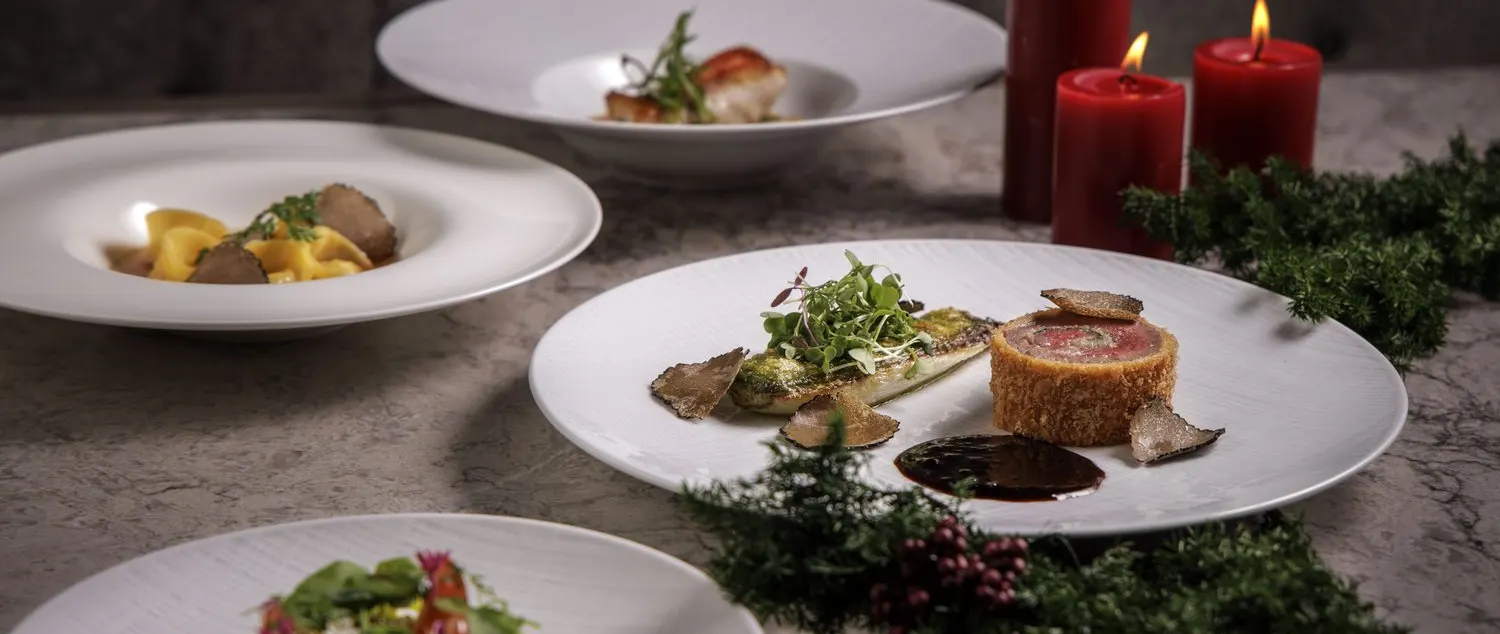
Chef de Cuisine Shoji Nonaka's Christmas menu at PIGNETO takes the form of six courses, with dishes such as snow-crab bruschetta, cappelletti in broth, alfonsino red sea bream with saffron and a Wagyu cotoletta. It is a deliberately international interpretation of an Italian festive meal, using Japanese ingredients and a Tokyo setting to give familiar techniques a new context. The restaurant lists the programme for 24 and 25 December, with a published price of JPY 32,000 at the time of the release. Diners should verify the current menu and any additional charges before booking; a special holiday dinner is most enjoyable when expectations about the courses and timing are clear.
The significance of familiar food in an unfamiliar city
Luxury travel often promises novelty, yet holiday celebrations can be especially memorable when familiar customs are reinterpreted somewhere else. A guest in Tokyo may enjoy discovering how an Italian kitchen handles Japanese seafood and Wagyu, while another may prefer a more explicitly local dining experience on a different evening. The PIGNETO offering illustrates how a property can accommodate both international travellers and local residents seeking an occasion. It should not be mistaken for a comprehensive survey of Tokyo's dining culture or a statement that European cuisine is inherently more prestigious. A balanced itinerary might pair this Christmas dinner with Japanese markets, traditional restaurants or independent neighbourhood discoveries.
Afternoon tea as an edible design exercise
THE LOUNGE presents a festive afternoon tea drawing on European seasonal baking. Executive Pastry Chef Michele Abbatemarco's selection includes playful Christmas imagery alongside preparations such as Italian pandoro and Austrian-inspired biscuits. The programme runs from 16 November 2026 until 6 January 2027, and the official press release gives weekday and weekend prices of JPY 9,800 and JPY 10,800 respectively. Advance reservations of at least three days are specified. These details make the experience more practical for travellers planning ahead than a vague description of festive pastries. The relevant luxury is the time and attention given to small pieces of pastry craft.
Pastry traditions invite a slower pace
An afternoon-tea presentation can sometimes become a rushed series of attractive photographs, especially during the holiday period. Its deeper interest is in how tastes, textures and family traditions move between European cultures and a Japanese kitchen. Pandoro, for example, is associated with Italian Christmas celebrations, while delicate decorated biscuits can draw on Central European customs. A careful tasting might compare rich, butter-based preparations with lighter, more aromatic elements. There is no need to consume every item simply because it is included. The staff should be able to explain ingredients and assist with dietary questions, particularly when visitors have allergies or wish to avoid particular foods.
A countdown high above the city
The VIRTÙ bar is promoting a New Year's Eve event on 31 December with Krug Champagne, signature cocktails and a selection of canapés. The property places the bar on the 39th floor and describes an Art Deco-influenced atmosphere overlooking Tokyo. The official announcement quotes a price of JPY 225,000 for the event, with doors opening at 8:30 p.m. That is a substantial seasonal commitment, so travellers should confirm the exact inclusions, admission conditions, cancellation policy and transport arrangements. Prestige beverages do not automatically suit every guest, and anyone booking a major celebration should decide whether the format matches their preferred pace and company.
Why the skyline matters to the experience
A view across Tokyo's illuminated skyline can be striking, but a high-floor location also changes how guests experience a social occasion. The scenery provides a sense of distance from the busy streets below, encouraging a slower appreciation of the city's scale. At the same time, crowded holiday evenings, weather conditions and changes in visibility can affect the view. The hotel's release mentions occasional Mount Fuji sightings on clear days, not a guarantee that the mountain will be visible during every stay or from every table. A good reservation begins with realistic expectations about what is actually included rather than treating a promotional photograph as a promise of identical conditions.
A wellness ritual with a defined duration
THE SPA's Holiday Radiance Ritual is advertised between 1 December 2026 and 3 January 2027. The package combines a 45-minute body treatment using frankincense oil and a 30-minute facial drawing on Koishimaru silk, according to the hotel. The press release lists the 75-minute service at JPY 48,800. These are details of a hospitality treatment, not clinical claims about medical benefits. A prospective guest should disclose relevant allergies, skin sensitivities or health concerns to the spa and seek medical advice when appropriate. The intended value is a restorative pause within a demanding period of travel or celebration rather than a guaranteed lasting physiological change.
Rest should be planned, not squeezed between appointments
A traveller might be tempted to schedule festive tea, an elaborate dinner, shopping and a spa treatment into one day. That can make an otherwise appealing city break unnecessarily exhausting. A better approach is to create space between major experiences and allow time for Tokyo's neighbourhoods, gardens or museums. For someone arriving after a long international flight, sleep and a light walk may be more valuable on the first day than a crowded reservation calendar. Luxury often involves the freedom to change plans. The hotel's varied programme is best treated as a set of choices rather than a checklist of activities everyone must complete.
Cultural context for New Year in Japan
The transition into January has its own significance in Japan, and visitors may encounter local customs and operating schedules that differ from their home countries. Some businesses alter hours, transport routes can be busy, and popular religious or cultural locations may attract substantial crowds. Hotel-based celebrations offer a convenient point of continuity, but they should not replace learning about the destination itself. Guests can consult local tourism information, respect the practices of places they visit and allow extra travel time around major dates. A private concierge may help arrange practical details, yet visitors remain responsible for understanding the cultural settings into which they are entering.
What the programme means for luxury-yacht travellers
Owners and guests of 12-to-23.99-metre luxury yachts may visit Tokyo as part of a wider Japan trip rather than immediately after disembarking nearby. The city offers an urban contrast to cruising in warmer waters: design, gastronomy, shopping and seasonal atmosphere become the focus. The value of a hotel-based programme is the ability to assemble experiences without relying on a complex series of unrelated providers. Yet arrival from an airport, luggage handling and local transport should still be planned carefully. Anyone combining a Tokyo stop with a subsequent cruise should maintain generous buffers between fixed holiday reservations and flight or vessel schedules.
Attention to booking details prevents disappointment
The hotel's announcement gives specific dates and prices for several activities, but that information is not necessarily an unconditional guarantee of last-minute availability. Seasonal demand can be high and menu components may change according to supply. Guests should ask whether rates include taxes or service charges, whether reservations require prepayment and whether dietary requirements can be accommodated. The correct response to a limited-time offering is not to assume urgency automatically justifies a purchase, but to confirm that the experience aligns with the traveller's priorities. A carefully chosen dinner or afternoon tea can be more memorable than booking several events simply because they are promoted together.
The design of a multi-sensory festive season
What distinguishes the Otemachi programme is the way it distributes celebration across different settings. PIGNETO focuses on savoury cooking, THE LOUNGE on pastry and afternoon ritual, VIRTÙ on the energy of a countdown, and THE SPA on individual time and touch. Each uses the hotel differently, producing more variety than a single large party could provide. The broader lesson for luxury hospitality is that personal preference matters: one guest may value a sophisticated dinner, another a quiet treatment and another a social New Year's Eve. The hotel has published a programme broad enough to support those choices without suggesting that one format is superior.
Confirmed details and the scope of this report
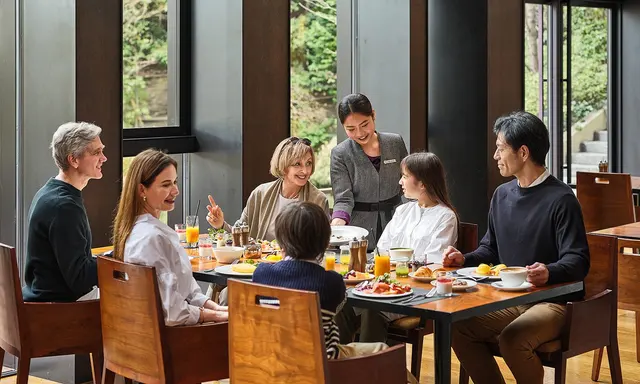
The verified source is Four Seasons Hotel Tokyo at Otemachi's 23 November 2026 press announcement, which sets out the advertised dates, prices and named venues. Those figures are included here as published and should be reconfirmed before booking. No independent comparison with Tokyo's other hotels, no medical endorsement of spa treatments and no assertion of guaranteed views is implied. The original press photograph represents the property and seasonal setting, not proof that each activity has already taken place. For travellers seeking a winter city experience with the option of cultural exploration beyond the hotel, the programme offers a clearly defined selection of dining, celebration and restoration leading into 2027.
Sources and image credits
Reporting based on Four Seasons Hotel Tokyo at Otemachi Celebrates the Season with Festive Dining, Renewing Rituals, and a Champagne Countdown to 2027.
Lead photograph: Tokyo Otemachi Mixes Festive Dining and a Skyline Countdown — official Four Seasons first-party press photograph. © Four Seasons Hotels and Resorts, original property press photograph Original official image source.