Tamarindo appears in an expanded global hotel ranking
Four Seasons Resort Tamarindo, on Mexico's Pacific Costalegre coast, has been included in the 2026 extended list of The World's 50 Best Hotels, which covers positions 51 through 100. The resort's official statement describes a second consecutive appearance and situates the property within a roughly 3,000-acre private nature reserve. The distinction should be reported accurately: appearance on the extended list is not the same as being placed in the top fifty. For luxury travellers, the more compelling question is how a remote coastal resort balances privacy, architecture and guest activities with the environmental responsibilities that accompany an unusually large natural setting.
The Costalegre offers a different Mexican coast
Many international visitors know Mexico through larger resort areas with dense hotel development and busy nightlife. The Costalegre region presents a different possibility, with stretches of Pacific coastline, vegetation and communities that deserve careful exploration. Tamarindo's location is central to its identity, but the phrase untouched natural beauty should not be taken literally as a statement that the landscape has never been shaped by human activity. Travellers should approach the destination with curiosity about local ecology and culture. A resort can provide comfortable access, but its grounds and excursions represent only part of the wider region's history and present-day life.
What an extended-list award signifies
A hospitality award can be a useful reference point, yet the precise category matters. The World's 50 Best Hotels extended list names additional recognised properties beyond the main top fifty, allowing travellers to discover places that may be less prominent in conventional rankings. The official release identifies Tamarindo as a returnee to that extended group. It does not provide an independent performance measurement for every aspect of the resort or a guarantee of guest satisfaction. Awards reflect particular methodologies and participation. A discerning traveller should consider them alongside current room types, service, accessibility and the experience actually sought rather than choosing a destination purely because its name appears on a list.
A reserve setting shapes the sense of privacy
The company's 3,000-acre figure suggests a property associated with extensive surrounding land rather than a compact beachfront hotel. That scale can create opportunities for quiet accommodation, different natural environments and varied activities, but it also makes internal transport and access important. A guest who wants to move easily between room, restaurant and beach should understand the layout before booking. A distant villa may offer appealing seclusion while requiring more time to reach shared facilities. The value of privacy depends on whether the guest can control their daily routine without becoming inconveniently isolated. Exact accommodation position matters more than a broad acreage claim.
Architecture can respond to a demanding landscape
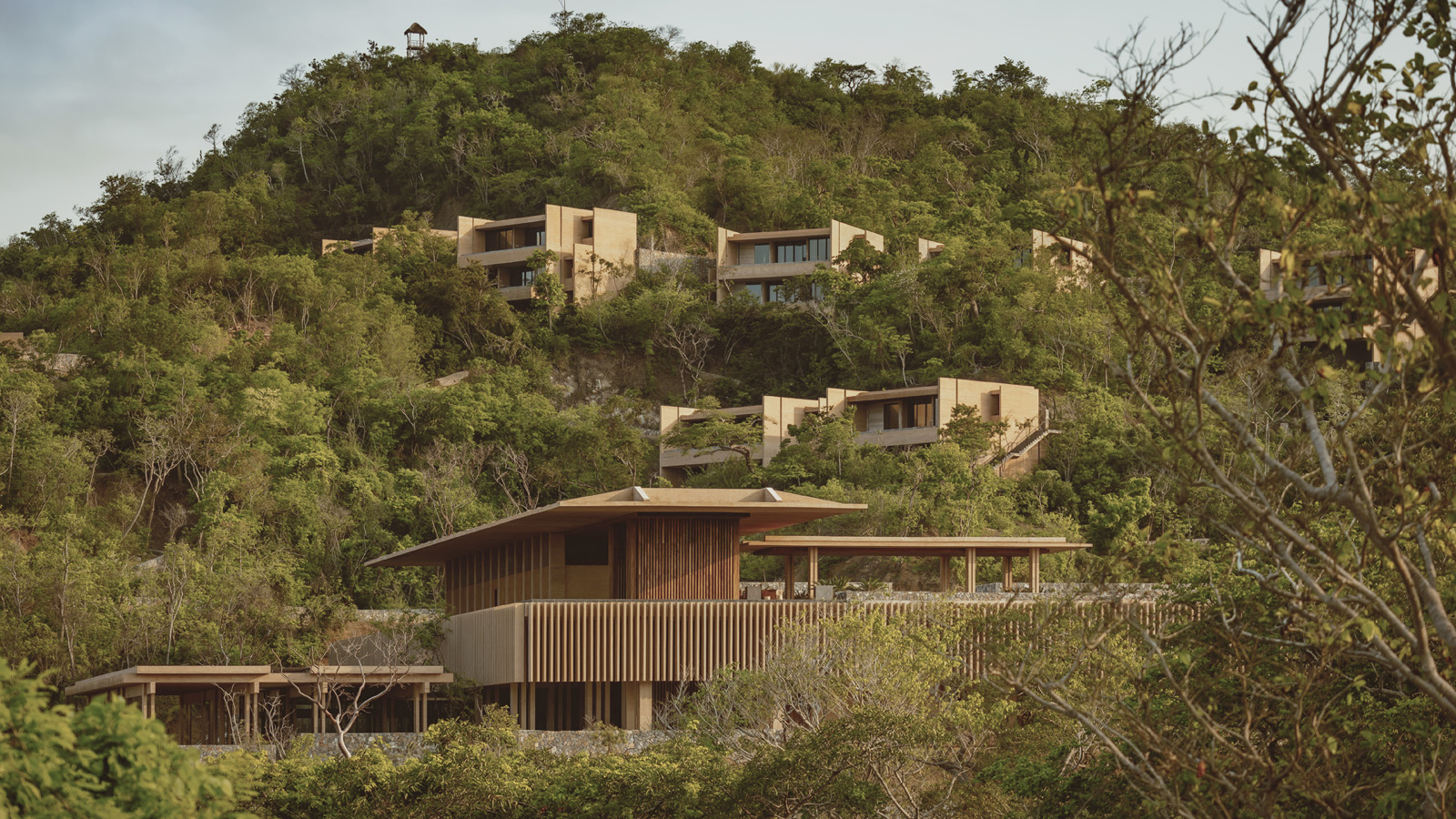
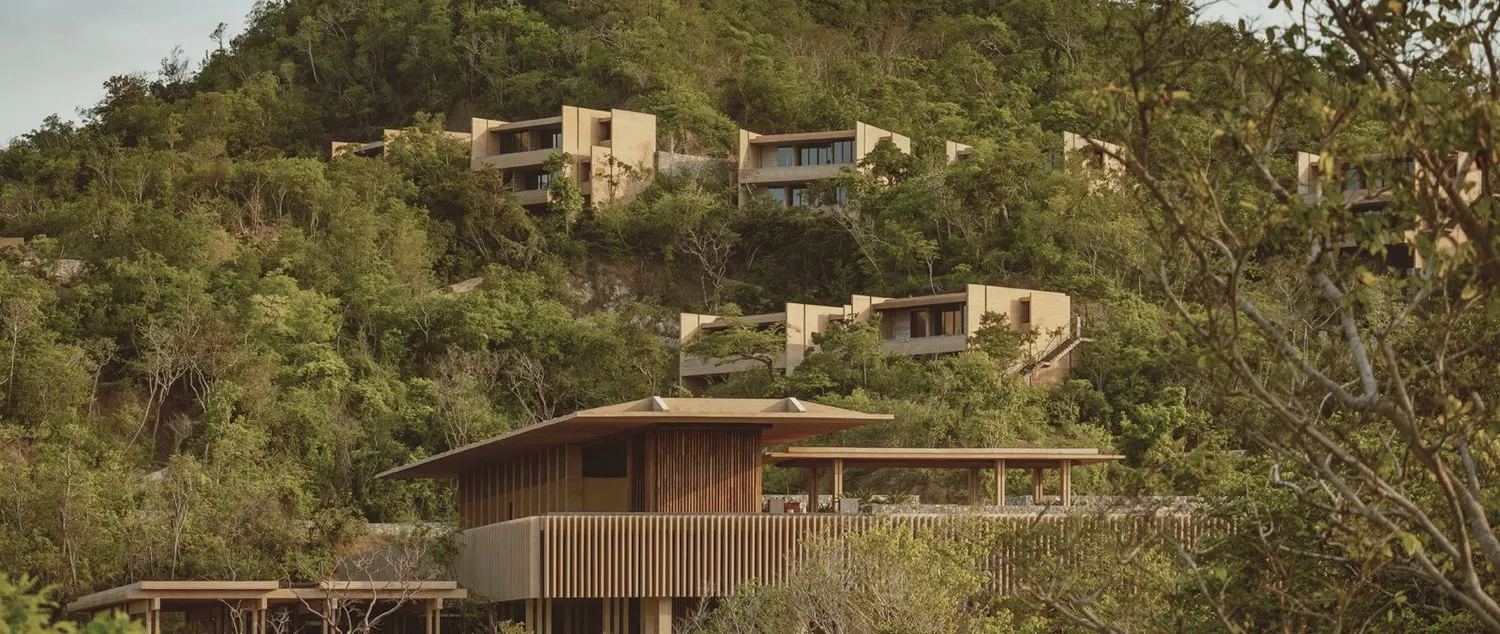
The resort's release describes a design process involving prominent architects and designers over several years, with buildings intended to relate to cliffs, beaches and surrounding vegetation. Designing in such a location raises challenges involving access, weather exposure, materials and the protection of sensitive areas. A compelling photograph may show how a building frames the ocean, but it does not establish how the project was constructed or the full environmental effect of development. Travellers interested in design can ask how materials and site planning respond to the climate. The best architecture provides comfortable shelter while allowing the landscape to remain perceptible rather than overwhelming it with spectacle.
Accommodation offers different relationships with the water
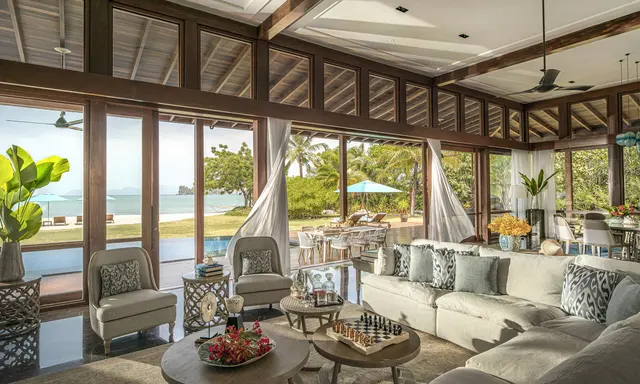
Tamarindo promotes cliffside and beachfront options along with private villas and beach houses. Those categories create different experiences. A cliffside room may offer expansive views, while a beachfront setting can make the shore feel closer. But proximity to water should never be confused with unrestricted or safe swimming access. Currents, waves, tides and protected areas can change conditions significantly on the Pacific coast. Guests should follow local advice and obtain precise information about routes and facilities from their chosen accommodation. The right category depends on personal priorities: view, privacy, mobility and the ease of reaching restaurants or activities may matter more than the marketing label.
The resort's dining has a Mexican identity
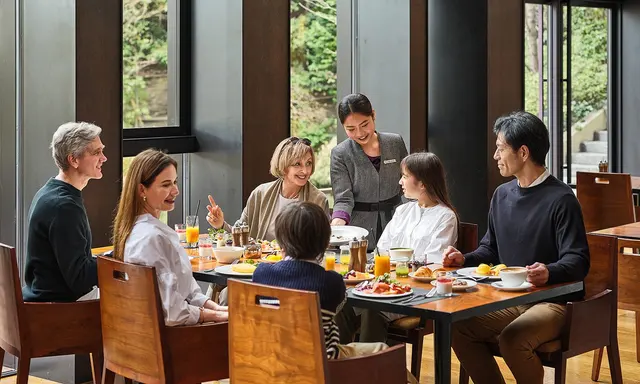
The property reports three restaurants, including one developed in partnership with chef Elena Reygadas. That connection can attract travellers interested in contemporary Mexican cuisine, but a chef's association should not be used to imply personal preparation of every meal. The actual experience depends on the restaurant team, ingredients and current menu. Travellers can benefit from exploring regional produce and cooking traditions both within the resort and through responsible local experiences. The most meaningful cuisine connects technique to a place rather than presenting a generic international menu against a Mexican seascape. Sourcing claims should be checked at the level of the actual ingredients and suppliers when they matter to a diner.
Rancho Lola offers a different kind of food experience
The release identifies Rancho Lola as the resort's farm, associated with regenerative agriculture and farm-to-table dining. That creates an opportunity for visitors to consider the relationship between cultivation, soil and the food on their plate. But the term regenerative should not be treated as a complete independent environmental certification without detailed evidence. Practices and outcomes need to be understood in context. A guided farm visit can still be valuable when it explains crop choices, seasonality and how the produce is used by the kitchen. Children may particularly enjoy seeing a familiar ingredient in the field rather than only in a finished restaurant dish.
Macrophotography encourages closer observation
Among the activities described by the property is macrophotography, which encourages guests to look carefully at smaller subjects in the landscape. This can be a useful counterpoint to the dramatic wide-angle views commonly associated with luxury coastal holidays. Plants, insects and textures often reveal details that are easy to miss during a hurried excursion. Participants should follow rules intended to protect wildlife and avoid disturbing habitats for the sake of an image. A responsible guide can explain why particular species matter and how to observe them safely. The value of the activity lies in attention and learning, not simply in taking photographs that look unusual.
Whale watching needs responsible practices
The resort's activity programme also mentions whale watching. Encounters with marine mammals can be memorable, but they must be conducted according to current local regulations and practices that minimise disturbance. Wildlife sightings can never be guaranteed, and weather or seasonal conditions may require an excursion to be changed or cancelled. Guests should use appropriately authorised operators and understand what protective measures are in place. A high-end holiday should not encourage unsafe approaches or the pursuit of animals for a closer photograph. The best experience may be one that gives a respectful view of wildlife behaving naturally rather than promising proximity at any cost.
Ethnobotanical walks can link nature and culture
The property refers to guided walks exploring the relationship between plants and human knowledge. Such experiences may reveal how communities have understood and used particular species over time, but they require careful interpretation and respect for the origins of that knowledge. A visitor should not assume that hearing about a traditional use makes a plant safe to consume or suitable as a remedy. Guides can provide cultural and ecological context without making medical claims. A resort that celebrates regional heritage has an opportunity to credit local experts and avoid presenting living traditions as decorative stories. The quality of the experience depends on the people leading it and the care taken with the subject.
Golf is another part of the landscape equation
An eighteen-hole course with ocean views is among the facilities described in the announcement. For some guests, golf may be an important reason to choose the property, while others will not use it at all. Courses in sensitive environments raise questions about water management, landscape maintenance and habitat relationships that are not answered by the presence of scenic views. The release does not provide independently verified resource-use statistics for the golf operation. Travellers who prioritise environmental stewardship can ask for specific information rather than assume that either an attractive course or a sustainability claim settles the issue. The choice of activity should also fit the broader travel party.
Wellness can reflect the surroundings without promising cures
The resort describes a spa drawing inspiration from nature and ancestral traditions. Such influences can give a treatment a sense of place, but guests should distinguish a relaxing hospitality service from a medically validated intervention. The techniques, products and suitability of individual treatments need clarification, particularly for people with allergies or health concerns. A quiet setting may contribute to a pleasant experience without establishing a guaranteed clinical outcome. A traveller might choose a simple massage, a walk or time by the beach according to preference. Luxury wellness is most responsible when it supports informed choice and avoids exaggerated promises about transformation.
Planning travel to a remote coastal setting
A destination that feels secluded may require more careful logistics than a hotel near a major urban airport. International visitors should confirm transfers, travel times, current entry requirements and how changes of flight schedule are handled. Families may need additional planning around children and different activity preferences. A yacht owner contemplating the region also requires separate authoritative information about maritime clearance, local ports and safe navigation; a hotel ranking does not confirm those services. It may be sensible to leave the first day largely unscheduled and allow time to settle into the environment. The purpose of travelling to a quieter place is undermined if the itinerary becomes unnecessarily rushed.
What the 2026 recognition confirms
The verified source reports Tamarindo's inclusion in the World's 50 Best Hotels extended list for 2026 and describes the reserve setting, accommodation categories, restaurants and selected nature-oriented activities. It also states that the 2026 ceremony was scheduled for September, a date already past by the time of this report. The announcement does not independently establish environmental outcomes for every activity or current pricing and availability. The original hotel press photograph should be credited as first-party media. Travellers should confirm exact inclusions and any wildlife or ecological access restrictions before booking.
A more nuanced meaning of coastal luxury
Tamarindo's story is most interesting where comfort meets the obligation to understand a place. A remote beach house, a guided nature walk or a thoughtful meal can feel exceptional because of the setting and the quality of attention, not simply because they are expensive. The extended-list recognition brings international visibility to that offering, but it should invite further questions rather than end the evaluation. For luxury-yacht owners and other discerning travellers, the region presents an opportunity to encounter Mexico's Pacific coast through a different rhythm of travel. The enduring value will depend on how well hospitality protects the qualities that made the destination worth visiting in the first place.
Sources and image credits
Reporting based on Four Seasons Resort Tamarindo, Mexico Recognized for a Second Time in the World’s 50 Best Hotels 2026 Extended List.
Lead photograph: Tamarindo Recognition Highlights Mexico's Wild Pacific Coast — official Four Seasons first-party press photograph. © Four Seasons Hotels and Resorts, original property press photograph Original official image source.