Florence revisits the idea of the Italian social club
Four Seasons Hotel Firenze introduced Circolo al Fresco during the 2026 summer season, reshaping part of its poolside grounds as a place for games, relaxed dining and unhurried social time. The programme drew on the tradition of Italian clubs where conversation, leisure and shared meals are as important as any individual activity. In the Gherardesca Garden, the hotel promoted bocce, chess, cards and even mini golf alongside Trattoria al Fresco and spa treatments inspired by Tuscan fragrances. Because the source concerns a summer arrangement, its precise offerings should not be presented as automatically available in November. The enduring idea is a form of luxury that gives people room to spend time without constant ceremony.
An old social rhythm in a contemporary hotel
Italian social clubs have historically provided spaces where people gather for conversation, games and food rather than for a single programmed attraction. The hotel's Circolo draws on that spirit and adapts it for international travellers. A private setting can give visitors a way to enjoy the atmosphere of conviviality without needing to know every local custom in advance. Yet a luxury hotel's version should not be confused with the full social history of neighbourhood clubs, whose members may have very different relationships with one another. The useful feature is the invitation to participate at a comfortable pace, with activities that do not require special knowledge or expensive equipment.
The Gherardesca Garden as an outdoor living room
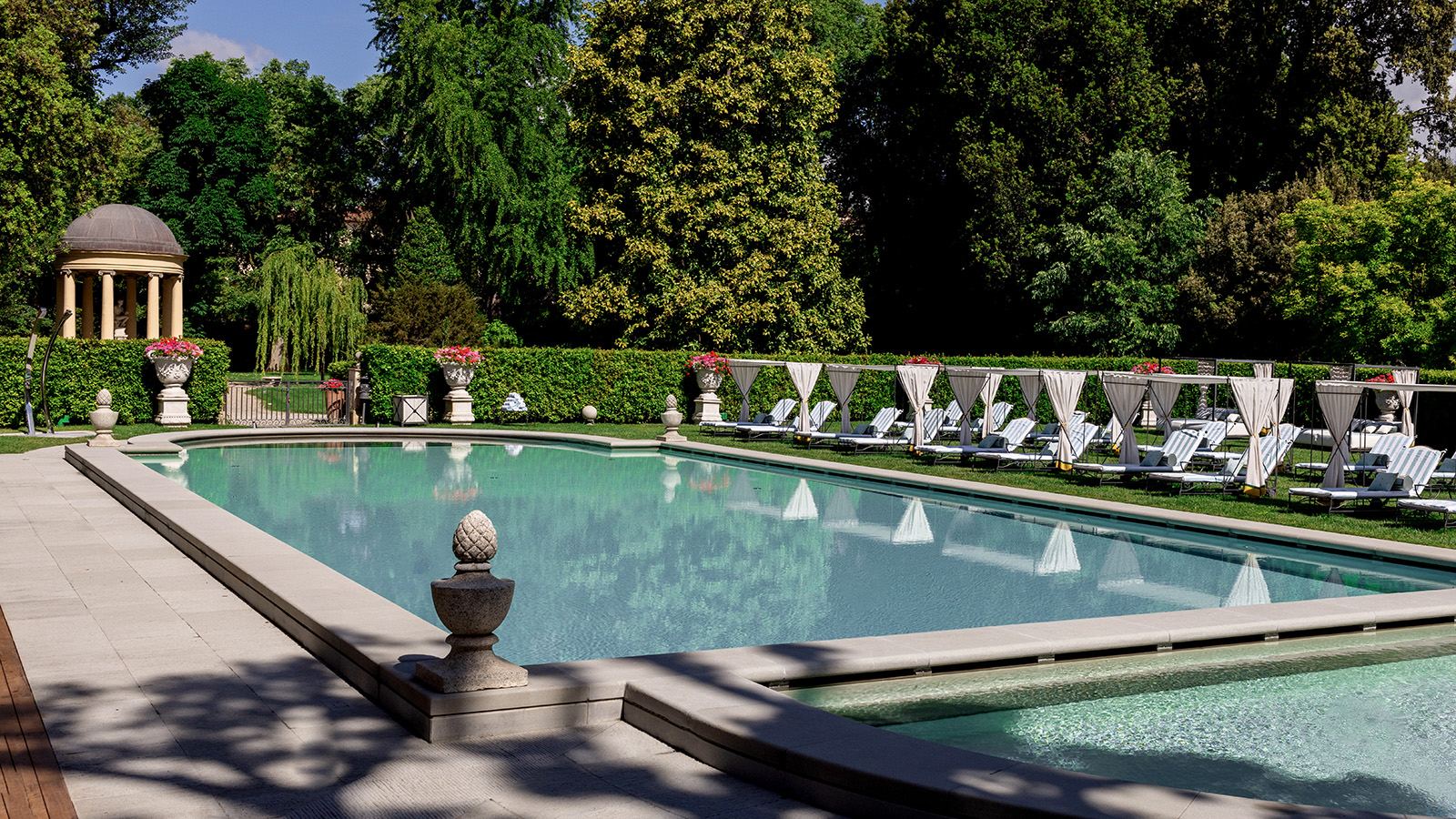
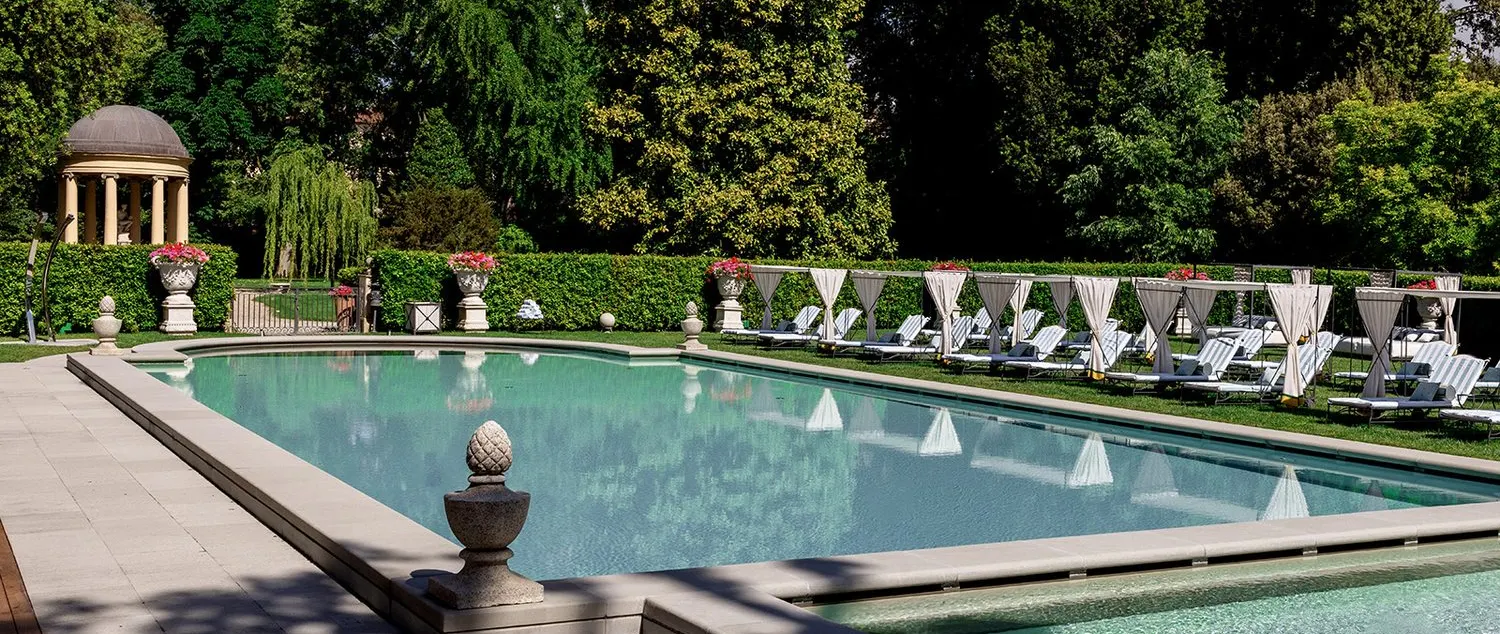
The hotel describes the garden as a setting where guests can move between shade, poolside seating and more active corners. A historic urban garden can provide relief from busy streets while keeping the traveller close to Florence's cultural life. Its mature trees, paths and planting create an atmosphere that an entirely new outdoor venue might struggle to reproduce. Yet the comfort of an al fresco programme depends on practical details: shade, seating, accessibility and the ease with which staff can serve guests without interrupting activities. A beautiful garden should remain a place to enjoy, not simply a backdrop for an endless sequence of photographs.
Games make social luxury more approachable
Chess, cards and bocce are activities that can bring people together without requiring them to participate in a formal event. They work particularly well for groups of mixed ages because the pace can be adapted and conversation remains central. Mini golf adds a more playful option, though it may appeal more to some guests than others. A resort should provide clear instructions and maintain equipment so that participation feels natural. The value is not the competitiveness of the game but the opportunity to share time. A traveller who has spent the morning visiting museums may appreciate a quiet game more than another carefully scheduled luxury experience.
Bocce reflects a different way of inhabiting a garden
Bocce is associated with informal social life in many parts of Italy. Its appeal lies partly in simplicity: the game can be observed and understood without an elaborate explanation. In a hotel setting, guests from different countries may participate without sharing a first language, creating a sense of conviviality. The experience will be most enjoyable when the space is properly maintained and the rules are explained clearly. It should not be presented as a comprehensive introduction to Italian culture or as proof that all local social traditions are identical. The Circolo is an interpretation of a familiar pastime, and a good one can encourage visitors to notice similar community spaces around the city.
Cards and chess offer a slower kind of competition
Unlike more physically demanding activities, a game of cards or chess allows guests to pause, talk and adapt the duration according to interest. Such options can be particularly welcome on a family trip where people want to spend time together but not everyone is enthusiastic about swimming or exercise. A hotel can support the atmosphere through comfortable seating, adequate light and unobtrusive drinks service. The most sophisticated part of the experience may be the absence of pressure to move on. Luxury is sometimes associated with constant novelty, while a simple activity in an attractive place can be more memorable precisely because it is unhurried.
Dining at Trattoria al Fresco
The seasonal Trattoria al Fresco offering was described as a setting for relaxed shared plates and dinners that extend into the evening. The hotel's release referred to cooking on a Josper grill and a menu drawing on Tuscan ingredients and traditions. Open-flame or high-temperature grilling can create distinctive textures and aromas, but the result depends on proper control rather than spectacle. Diners may enjoy watching or smelling food being prepared while still expecting attentive service and comfortable pacing. A menu rooted in regional cooking should be judged by the quality of ingredients and execution, not by the prestige of the equipment named in the announcement.
Tuscan food is more than a single ingredient
The hotel's descriptions included meat, fresh fish and seasonal vegetables, reflecting the variety available in a region with strong agricultural and culinary traditions. Travellers can learn about Tuscany through restaurants, markets and producers outside the hotel as well as through its more polished dining rooms. A menu inspired by local cuisine should allow different products to express themselves rather than treating everything as an accompaniment to one famous speciality. Guests can ask about the origin of vegetables, olive oil or wines, recognising that sourcing may change with season and supply. Such conversations can enrich a meal without requiring a formal tasting programme.
An aperitivo belongs in the rhythm of the day
Circolo al Fresco was conceived around the idea of moving gradually from daytime leisure into an evening of drinks and conversation. An aperitivo can provide a gentle transition rather than a separate major event. The hospitality team should support that rhythm with appropriately sized dishes, clear service and choices for people who do not wish to drink alcohol. A successful atmosphere depends on the company and setting as much as the contents of a glass. The hotel's release describes cocktails and Tuscan wines, but current availability and prices should always be checked. A seasonal hospitality concept is not a guarantee of any particular bottle or recipe months later.
The spa provides a quieter counterpoint
The hotel's spa promoted Tuscan Essences by Santa Maria Novella as a seventy-five-minute treatment involving aromatic oils, exfoliation and massage. The original release quoted a starting price of EUR 365 during the summer programme. These are details of a hospitality service, not evidence of clinical efficacy or a fixed current rate. Some guests may enjoy a treatment after a day exploring Florence, while others might prefer the pool or garden. Personal preferences, skin sensitivities and relevant health considerations should guide the choice. A good spa communicates ingredients and suitability clearly, rather than promising a universal transformation through a picturesque regional name.
Santa Maria Novella connects fragrance with local history
The association with Santa Maria Novella introduces an element of Florentine fragrance tradition into the wellness programme. Scent can evoke memory and shape the atmosphere of a treatment, but personal reactions vary. A fragrance that one guest finds comforting may be unwelcome to another. Therapists should ask about preferences and allergies, and clients should feel free to choose a different treatment or decline an aromatic product. The historical reputation of a brand is interesting in its own right, but it should not become a substitute for practical safety and good technique. The value of the collaboration lies in connecting a sensory experience with a place.
The balance between city exploration and garden time
Florence offers an extraordinary concentration of architecture, museums and artistic history. A visitor may feel obliged to fill every day with major attractions, leaving little opportunity to absorb what has been seen. The Circolo concept presents a different option: after a cultural morning, guests can enjoy a quiet afternoon without leaving the city. Such balance may make a longer stay more rewarding. It is also important not to assume that the hotel garden is an adequate replacement for Florence itself. The most satisfying itinerary combines time in public cultural spaces with occasions for rest, allowing the traveller to move between intensity and calm.
Families, couples and groups use the programme differently
A multigenerational family may appreciate games and the flexibility of a poolside lunch, while a couple might prefer a slower aperitivo followed by dinner. Friends travelling together may enjoy bocce and shared plates without making a separate entertainment booking. The hotel programme appears designed to accommodate those different rhythms. But individual activities may have seasonal opening hours, capacity limits or age rules, so guests should check rather than infer access from a general description. The best experience respects the group's preferences and leaves enough room for spontaneous decisions. A leisure programme should create possibilities, not become another demanding schedule.
Seasonal design should be reported with its date
The company released the Circolo al Fresco concept for summer 2026, making it appropriate to discuss as a documented hospitality project but not as a permanent service guaranteed for future travel dates. Outdoor arrangements can change with weather, staffing and seasonal demand. A visitor planning Florence in a different season should ask what dining and spa offers are currently available. The original official photograph illustrates the hotel's seasonal design and should be credited to Four Seasons. It does not prove that every decorative or menu element remains installed in November. Accurate reporting preserves the project's value without misleading people who may want to book it today.
A gentler expression of luxury
Circolo al Fresco is interesting because it replaces the notion of luxury as a succession of expensive transactions with something more familiar: shared games, conversation, a garden and a meal. The surroundings are refined, but the basic activities are accessible and recognisable. When executed with good service, that contrast can make a hotel feel more personal. For luxury-yacht owners accustomed to spending long afternoons in the cockpit or at anchor, the atmosphere may have a particular appeal. The enduring lesson is that memorable hospitality often depends less on constantly introducing new entertainment than on giving people a beautiful, comfortable place in which to enjoy one another's company.
Sources and image credits
Reporting based on Circolo al Fresco: An Ode to Italian Summer Living in the Heart of the City at Four Seasons Hotel Firenze.
Lead photograph: Florence Circolo al Fresco Revisits Italian Outdoor Living — official Four Seasons first-party press photograph. © Four Seasons Hotels and Resorts, original property press photograph Original official image source.