A redesigned Club Floor at Wailea
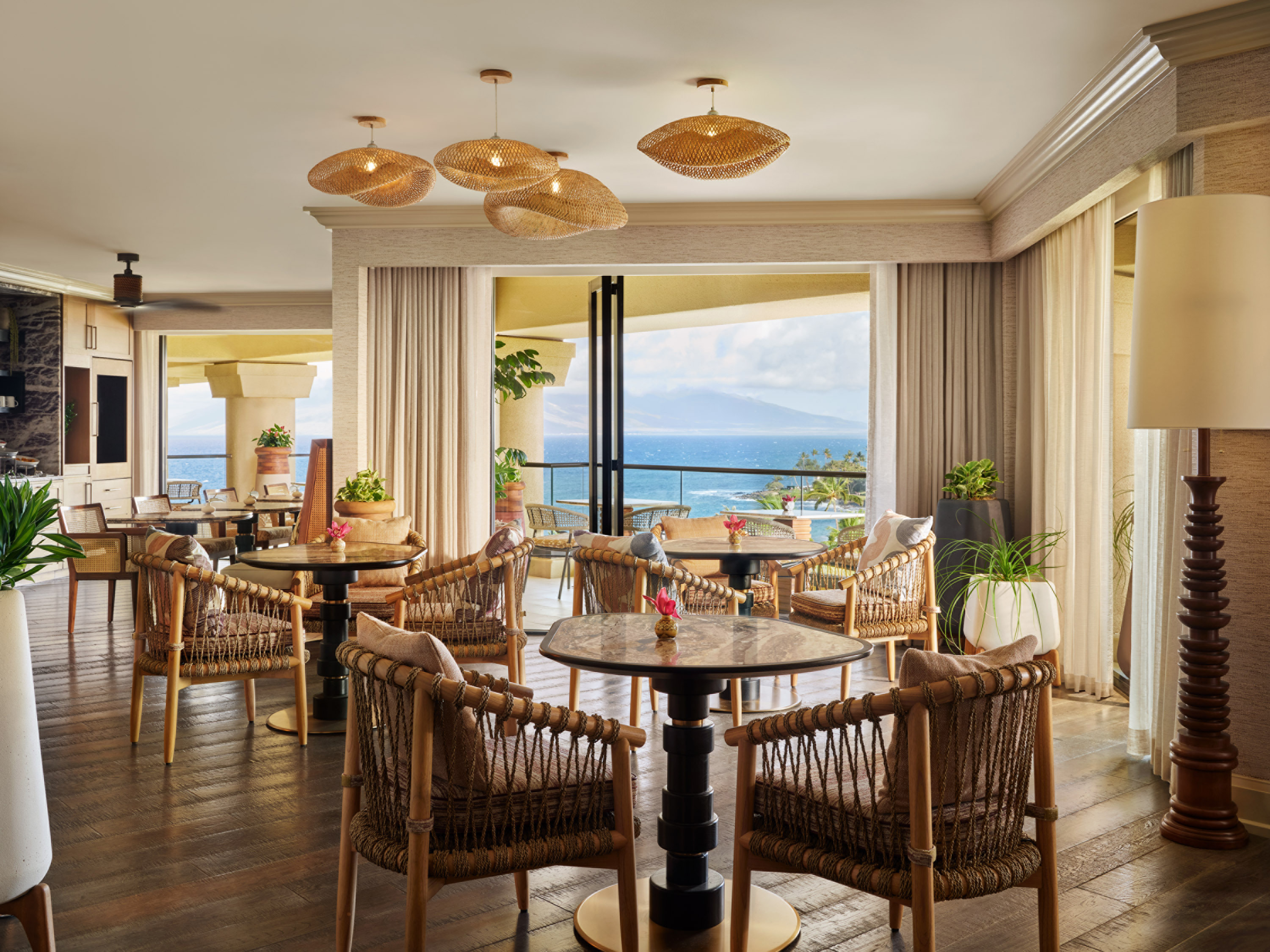
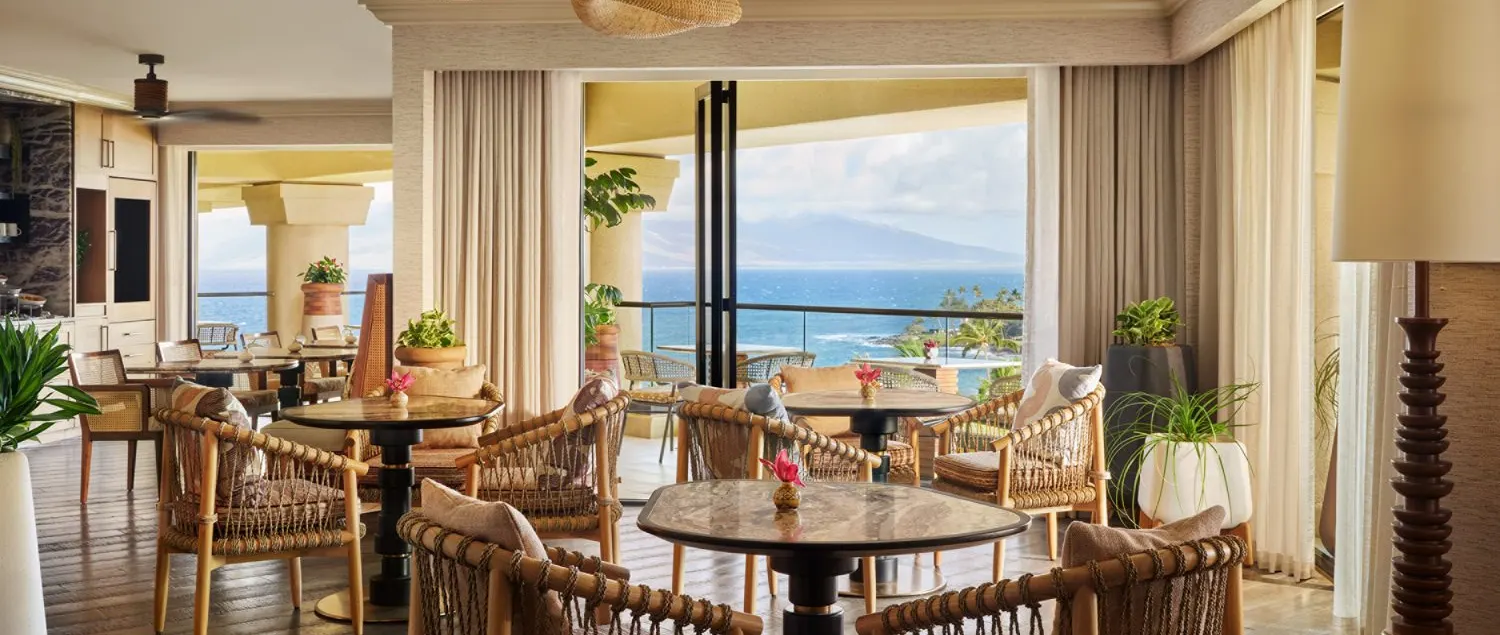
Four Seasons Resort Maui at Wailea has introduced a redesigned Club Floor built around twenty-six rooms and suites, a dedicated lounge and a more personal service model. The official 2026 announcement credits multidisciplinary design studio Meyer Davis with an approach using natural materials, woven textures and references to Hawaiian cultural traditions. Guests in the relevant room categories are offered access to a private lounge with food and beverages at different times of day, alongside dedicated concierge support and private check-in and check-out. The story is relevant to luxury travellers because it shows how a hotel can create a smaller, more residential-feeling experience within a large resort without establishing an entirely separate property.
The hotel-within-a-hotel idea needs more than a locked door
A club level can be marketed as exclusive, but exclusivity alone does not make the stay better. Guests should gain practical benefits: an understandable arrival process, a pleasant place to relax, reliable service and enough privacy to spend time at their own pace. The Maui model brings these together within a limited number of redesigned rooms. Its success will depend on whether the lounge feels comfortable when several guests arrive simultaneously and whether staff can respond to individual requests without creating unnecessary formality. A separate entrance or privileged label has little value if ordinary daily needs remain difficult to manage.
Twenty-six rooms create a manageable scale
The announcement identifies twenty-six transformed rooms and suites associated with the Club Floor. That number helps explain why a dedicated service team might be able to develop more familiar relationships with guests than a much larger operation. Yet it does not guarantee that every room has an identical view, layout or amenity. Prospective travellers should review the precise category before booking, particularly if an ocean view, accessibility or accommodation for children matters. A limited inventory can also mean fewer choices during busy periods. The right reservation is one that fits the traveller's needs rather than simply securing access to a prestigious floor.
Meyer Davis draws on the island setting
The designer describes a material language influenced by Maui's landscape and the idea of celestial navigation, historically important in Hawaiian and wider Polynesian seafaring traditions. The announcement refers to woven panels, wood, rope details and textures inspired by natural forms. These references can produce a distinctive identity when handled thoughtfully, but they should not be mistaken for an authoritative account of Hawaiian culture in themselves. Visitors benefit from learning about local history and practitioners beyond the hotel's interiors. A design concept becomes more meaningful when the property credits the people and traditions involved rather than treating cultural symbols as decorative objects detached from their origins.
Natural materials require practical maintenance
Raffia, abaca, seagrass, carved timber and stone can create a tactile atmosphere, but they behave differently under daily use and coastal humidity. Materials chosen for a luxury resort must be durable enough for repeated cleaning, suit the room's microclimate and remain comfortable for guests. A handwoven detail may have craftsmanship value, while a less delicate substitute may be more suitable in a heavily used corridor. The release presents the material palette and design intent but does not publish independent wear-testing results. Guests can admire the aesthetic while recognising the operational skill needed to maintain it over several seasons. Good design must remain attractive when it is no longer new.
The lounge encourages an unhurried daily rhythm
The Club Lounge is described as offering breakfast, afternoon tea, evening bites and later refreshments. This creates several natural opportunities to return to a familiar room during the day rather than move from one busy resort restaurant to another. A short morning visit might feel different from a quiet late-afternoon pause. However, guests should not assume that every food item is available continuously or that the lounge replaces the full range of restaurants. Opening times, menus and any additional charges should be confirmed. The most appealing aspect of such a space is often that it offers a choice, allowing travellers to decide whether they want a substantial restaurant meal or something simpler.
Private check-in can reduce arrival friction
A traveller arriving after a long flight may appreciate being met in a quieter setting and given clear information without joining a busy reception queue. The Club Floor offers private check-in and check-out, according to the hotel. That can make the beginning and end of a stay feel more personal, though the practical benefit depends on how the service is delivered. Guests still need accurate room information, baggage handling and clarity about transport. A polished welcome is not enough if essential details are omitted. The best arrival experience is efficient and respectful of the traveller's condition, with enough flexibility to accommodate early arrivals or changes of plan.
Dedicated concierge support should be knowledgeable
A concierge team assigned to a smaller guest group may become familiar with preferences and travel interests over repeated stays. The property's announcement refers to colleagues who have supported the club offering over many years, suggesting an emphasis on continuity. That experience can be valuable when helping guests arrange dining, cultural visits or special occasions. Yet local recommendations should be honest and current, including advice about independent businesses when those better match a visitor's interests. A good concierge does not simply book the resort's most expensive experiences. The goal is to understand what a person wants and reduce the effort needed to achieve it.
Guest rooms need several functional zones
The renovated rooms are described with separate areas for rest, activity and relaxation, along with private lanais that extend the living space outdoors. Such planning can make a hotel room more comfortable for someone who wants to read, work briefly or share a quiet meal without sitting on the bed. The precise benefit depends on the room category and its dimensions. Guests should not assume that every suite contains a full office or dining room. The value lies in designing for different activities rather than treating accommodation solely as a sleeping space. This is especially relevant to people spending longer periods at a resort.
The lanai becomes another living room
A private outdoor terrace can change the character of a stay when it provides comfortable seating and a meaningful connection with Maui's scenery. The resort's design story emphasises lanais and views of mountains or neighbouring islands, depending on location. Those views are not identical from every room, and weather may affect their visibility. A guest who values quiet mornings outside should ask about shade, exposure and privacy. A lanai is most useful when it can be enjoyed comfortably at different times of day, rather than functioning only as an attractive photographic feature. Good furniture and service matter as much as the landscape beyond.
Personalisation should be discreet
The hotel's general manager describes service examples such as remembering a preferred coffee or arranging private dining on a guest's lanai. These illustrate the intention to make a stay feel familiar, but the exact services available and their cost may vary. Guests should not infer that every request is complimentary or that every room can accommodate the same dining format. Personalisation works best when staff remember relevant preferences while still asking what the guest wants today. A visitor may enjoy familiarity but also appreciate the freedom to change routines. Discretion means knowing when to provide help and when to leave someone alone.
Island culture belongs beyond the interior palette
Hawaiian materials, stories and seafaring references can enrich hotel design, but the destination should not be reduced to them. Maui has communities, cultural practices and environmental concerns that continue independently of resort hospitality. Visitors can seek responsible experiences that provide local context and respect access restrictions, particularly in sensitive natural or cultural sites. A concierge may help identify suitable guides, but travellers should remain aware of the people whose home they are visiting. The hotel's design concept can be a starting point for learning, not a replacement for listening to local voices and understanding the island beyond the property.
A larger resort transformation is described
The Club Floor is presented as one stage of a broader property renovation, with additional room work and other facilities anticipated in the company's 2026 plans. Such programmes can be attractive to guests seeking updated accommodation, but the timeline and availability of future elements should be checked. A press release announcing planned work does not establish that every project has been finished or that all areas will be unaffected by construction. Prospective visitors should enquire about the status of current renovations when booking. This is particularly important if they seek a quiet stay or need access to a specific facility. Accurate timing matters more than the ambition of the announced programme.
A club level is not always the best value for everyone
The correct choice depends on how much time a guest expects to spend within the property and which services they will actually use. Someone who intends to explore Maui all day may find little value in paying more for frequent lounge access, while a traveller seeking a restorative resort stay may appreciate the convenience. Families may value flexible meals, and couples may prefer the quieter environment. A comparison should include room location, current rate, benefits and restrictions. No universal price is established by the design announcement, so it would be misleading to claim that the upgrade offers a fixed saving or guaranteed return.
Evidence, attribution and practical meaning
The first-party Four Seasons release confirms the redesigned Club Floor, twenty-six rooms and suites, Meyer Davis involvement, natural-material design references and dedicated lounge and concierge concept. It does not independently rank the renovation against other resorts, guarantee a particular view or establish all future construction as complete. The official photograph is property media and should be credited accordingly. Travellers should ask for the current list of inclusions, room types and any works affecting their stay. With those details clarified, the Club Floor can be evaluated as a practical offering rather than a vague promise of elevated exclusivity.
A residential approach to island hospitality
The strongest idea behind the Maui renovation is that privacy and service can be combined without making the experience rigid or ceremonial. A familiar lounge, thoughtfully organised guest rooms and staff who understand individual preferences may reduce the friction of a holiday. For yacht owners accustomed to private spaces and attentive service, the model can feel recognisable while offering the amenities of a shore-based resort. The success of the project will be found in daily consistency: whether the space remains comfortable, the team responsive and the island's identity present without being reduced to decoration. Those are more meaningful measures of luxury than any one new design detail.
Sources and image credits
Reporting based on Four Seasons Resort Maui Unveils the Club Floor, A Reimagined Hotel-Within-a-Hotel Experience.
Lead photograph: Maui's Reimagined Club Floor Puts Privacy and Service First — official Four Seasons first-party press photograph. © Four Seasons Hotels and Resorts, original property press photograph Original official image source.