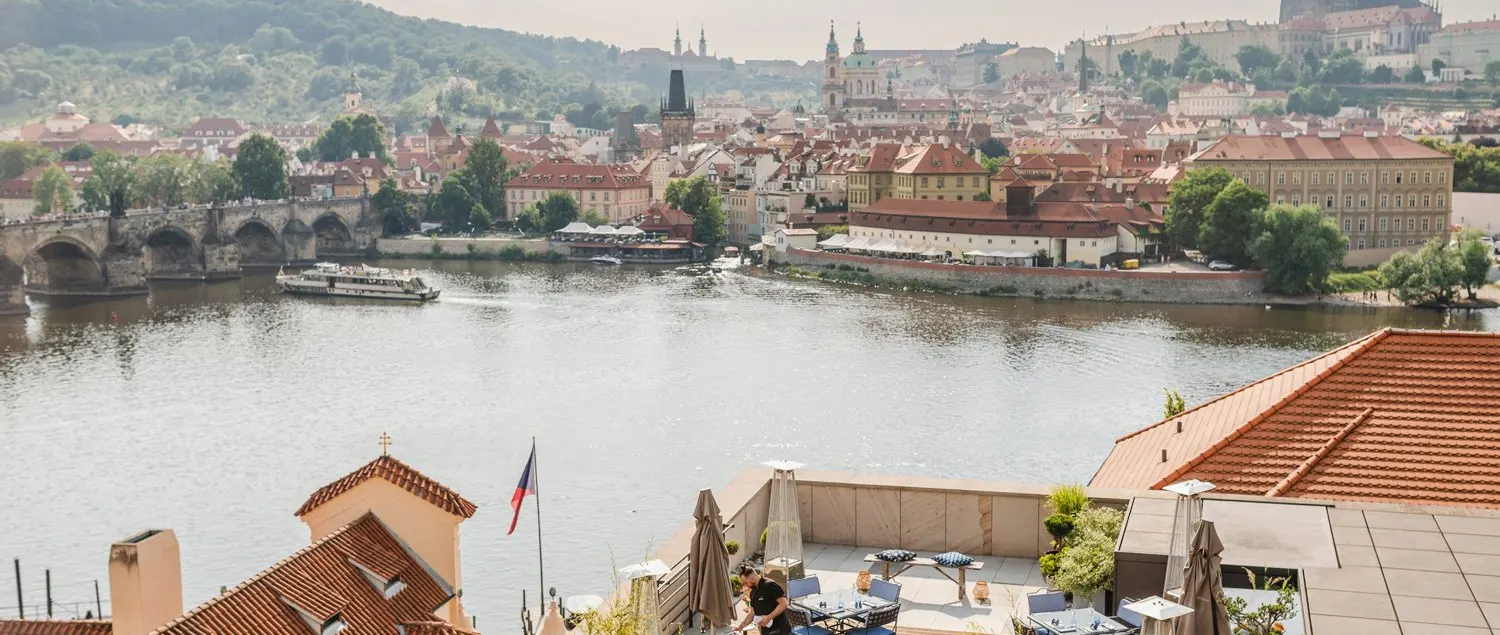
A Triple Crown distinction for a Prague riverside hotel
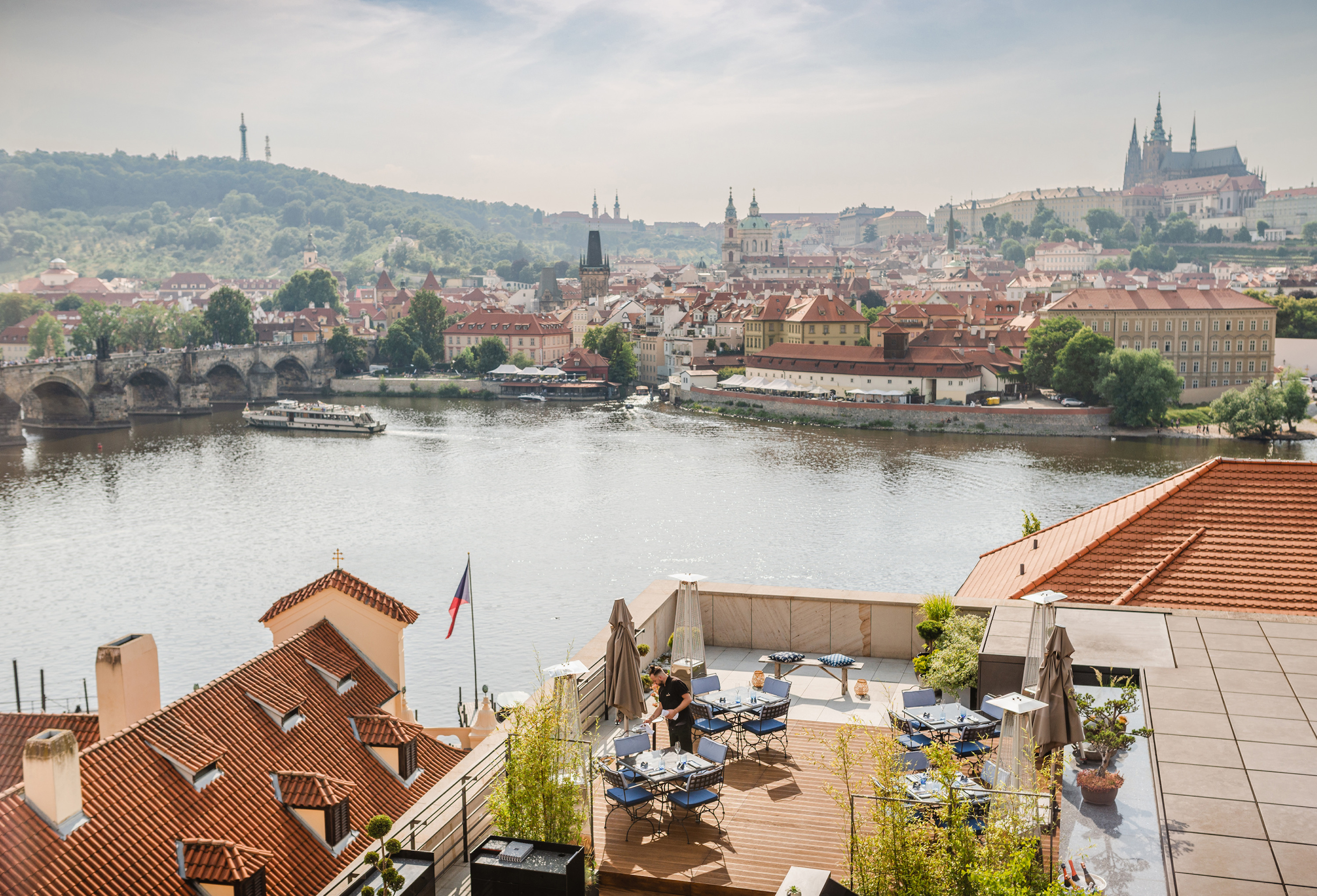
Four Seasons Hotel Prague has been recognised in the Condé Nast Traveler Triple Crown, a distinction introduced in 2026 for properties that have appeared across three of the publication's major awards programmes during the preceding thirty years. The hotel's official release identifies the Hot List, Gold List and Readers' Choice Awards as the relevant sources of recognition. The property stands beside the Vltava in central Prague, close to the Charles Bridge and the historic Old Town. For travellers, the news is a reason to reconsider a well-established hotel, but the accolade should not be misreported as a new Michelin award or a claim that the property occupies the single highest position in Prague.
What the Triple Crown actually measures
The three award programmes have different characteristics. The Hot List highlights notable openings, the Gold List reflects editorial preferences and Readers' Choice draws on audience responses. A property qualifying across all three has been recognised through distinct mechanisms over time. That is potentially meaningful, but it is not equivalent to a continuous thirty-year record of independently audited service excellence. The official release describes how the combined distinction works; it does not provide a numerical ranking that allows every recipient to be ordered from best to worst. Travellers can appreciate the breadth of recognition while still asking whether the hotel fits their present needs.
Location has long-term value in a historic city
A hotel beside the Vltava offers access to Prague's architecture, riverfront and historic districts, but the experience depends on more than proximity. The ability to walk comfortably to cultural sites can reduce transport time and make spontaneous exploration easier. Some guests may prefer a room overlooking the river, while others care more about quiet or convenient access within the building. The hotel's announcement mentions views of Prague Castle, Charles Bridge and the Lesser Town, but those should not be interpreted as guaranteed from every room. A traveller seeking a particular outlook should confirm the exact accommodation category and location rather than rely on a general panorama.
Historic and contemporary architecture coexist
The property is known for combining historic and more recent buildings, creating an architectural setting that reflects several periods of Prague's development. Such a combination can give a hotel character, but it also presents practical challenges around accessibility, circulation, services and room proportions. A traveller may appreciate the atmosphere of a historic structure while preferring the convenience of a more modern layout. There is no single correct choice. The best reservation process makes the distinctions clear, enabling guests to consider ceiling height, sound insulation, stairs and proximity to shared facilities. Heritage is valuable when it can be enjoyed comfortably rather than treated as a reason to overlook ordinary needs.
Prague's Old Town deserves time beyond the landmarks
The city is famous for its major architectural sights, yet a rich visit includes the smaller streets, courtyards, galleries and everyday businesses between them. A hotel in a central location can make it easier to explore these without following a rigid tour schedule. A traveller may spend an afternoon walking through the Old Town, stop in a quiet café and return by the river before dinner. That kind of freedom can be more satisfying than a high-pressure itinerary that seeks to photograph every well-known building in a single day. The hotel's location offers convenience, while the traveller's curiosity determines how deeply the destination is experienced.
Charles Bridge is a place, not simply a backdrop
The Charles Bridge is one of Prague's most recognisable features, but its appeal changes throughout the day as light, crowds and weather vary. Visitors who want to enjoy it calmly may prefer an early or later walk rather than the busiest daytime period. Respect for other pedestrians and the historic fabric matters, particularly when taking photographs or travelling in groups. A river-facing hotel gives a guest the option to return to the area several times without dedicating an entire journey to it. The landmark becomes part of a lived experience of the city instead of a single obligatory stop on a checklist.
The Vltava offers another perspective on urban life
Rivers shape cities through transport, commerce and public space. The Vltava provides a visual thread connecting Prague's different quarters, with bridges and embankments offering changing perspectives on the historic skyline. A visitor accustomed to life aboard a yacht may find the relationship between water and architecture particularly appealing. Yet a river cruise or other activity should be planned according to current operator arrangements and safety rules. The hotel's award does not establish access for private vessels or confirm any particular navigation service. The value of a riverside location lies first in the atmosphere and the chance to explore the city from different viewpoints.
Personalised service is not always conspicuous
The hotel's manager attributes the recognition to the work of its team and the personalised experiences it seeks to provide. In practice, good service often involves small decisions made without drama: understanding a guest's schedule, giving accurate local advice and responding efficiently to changes. A famous hotel can still disappoint if these details are handled poorly. Travellers should judge personalisation by how clearly staff listen and communicate rather than by the number of elaborate gestures arranged. A concierge recommendation to a modest local restaurant may be more valuable than a complicated exclusive event if it matches what the guest actually wants to experience.
Cultural exploration needs knowledgeable guidance
Prague has a layered history that can be difficult to interpret from a brief guidebook. Architectural styles, historical events and changing political contexts have left traces throughout the city. A knowledgeable local guide can connect the landmarks with the communities and stories behind them. Travellers should choose the scope of a tour according to interest and stamina rather than accept a long itinerary by default. The hotel announcement describes curated experiences but does not specify that every tour or private access arrangement is always available. Visitors can ask what the concierge can currently organise and whether independent local guides offer a suitable alternative.
Dining as part of a Czech city experience
A luxury hotel restaurant can provide a comfortable meal, but travellers benefit from exploring Prague's wider culinary scene. Traditional Czech cooking, contemporary kitchens and international influences offer distinct perspectives. The aim should not be to treat one type as inherently superior; each can be enjoyable when executed well. A visitor might choose a formal dinner for a celebration and a neighbourhood lunch for a more spontaneous encounter with local food. The hotel's current restaurants and menus should be checked before booking, as the Triple Crown release is not a live restaurant directory. Hospitality awards concern a broad property experience, not a guarantee about an individual dish.
A short break versus a longer cultural stay
A weekend in Prague can provide an introduction to the city's historic centre, but more time allows exploration without rushing. The decision may depend on whether guests want primarily architectural highlights, galleries, music or a quieter riverside break. A centrally located hotel can support either approach. Travellers who spend much of the year moving between yacht destinations may value a few nights somewhere they can explore on foot without extensive transport. Nonetheless, arrival logistics, weather and seasonal demand deserve attention. A memorable short stay is usually built around a handful of personally meaningful experiences rather than an exhaustive programme.
Awards can be useful without becoming the purpose of travel
It is tempting to build an itinerary around a hotel that has just received recognition. That can be reasonable, but it risks allowing the award to dictate the journey. A property may be celebrated for qualities that matter little to a particular guest, while a less decorated hotel might better suit their preferences. The Triple Crown is a sign of breadth of historical recognition, not an instruction to choose the most prestigious option regardless of circumstance. Visitors should compare location, room types, service and current rates. Awards are most useful when they help identify possibilities and prompt further research rather than replacing personal judgement.
Preserving historic buildings involves practical trade-offs
Operating a modern hotel within historic architecture can require special care around maintenance and alterations. Guests may encounter room layouts that reflect the constraints of older structures, alongside contemporary amenities integrated to improve comfort. The distinctive character can be an advantage, but some travellers need specific accessibility features, modern sound insulation or simpler movement between spaces. It is appropriate to ask about these before booking. A reputation for historic charm does not remove the obligation to provide accurate information. The best heritage hospitality respects the building while being transparent about practical details that affect the guest's stay.
The value of repeated visits
Prague is a city that can reveal different aspects across seasons and repeated journeys. A summer evening beside the river differs from a winter afternoon when streets and cafés have another rhythm. Returning travellers may find interest in different neighbourhoods, exhibitions or culinary experiences rather than revisiting the same landmarks. A hotel that provides consistent service can become a familiar base for those explorations. That continuity may help explain why long-established properties attract loyalty, although it should not be inferred that every respondent to an award survey has made repeated stays. The value of familiarity depends on genuine satisfaction over time.
What the official record confirms
The hotel's first-party press release establishes inclusion in the newly introduced 2026 Condé Nast Traveler Triple Crown and describes the three awards programmes used in its criteria. It also identifies the property’s riverside setting and heritage character. The release does not provide a current room rate, guarantee views from every room or independently verify all the experiences a guest might organise in Prague. The image is official hotel press media and should be credited accordingly. Current availability and amenities require direct confirmation. The distinction between an award and the actual conditions of a future booking is important for balanced travel reporting.
An invitation to discover Prague for oneself
The Triple Crown announcement draws attention to a hotel situated in one of Europe's most rewarding historic urban settings. Its lasting significance lies less in a decorative award title than in the opportunities created by the location: walking beside the Vltava, looking closely at different periods of architecture and exploring the city's cultural life at a personal pace. A well-managed hotel can provide comfort and knowledgeable support, but it cannot replace a traveller's own curiosity. For discerning visitors, including those accustomed to luxury-yacht travel, Prague's appeal is the chance to encounter a living historic city with enough time to notice more than its most familiar photographs.
Sources and image credits
Reporting based on Four Seasons Hotel Prague Earns Condé Nast Traveler's Triple Crown Recognition.
Lead photograph: Prague Triple Crown Recognition Highlights Urban Heritage Stays — official Four Seasons first-party press photograph. © Four Seasons Hotels and Resorts, original property press photograph Original official image source.