Seychelles resort enters a reader-recognised hotel list
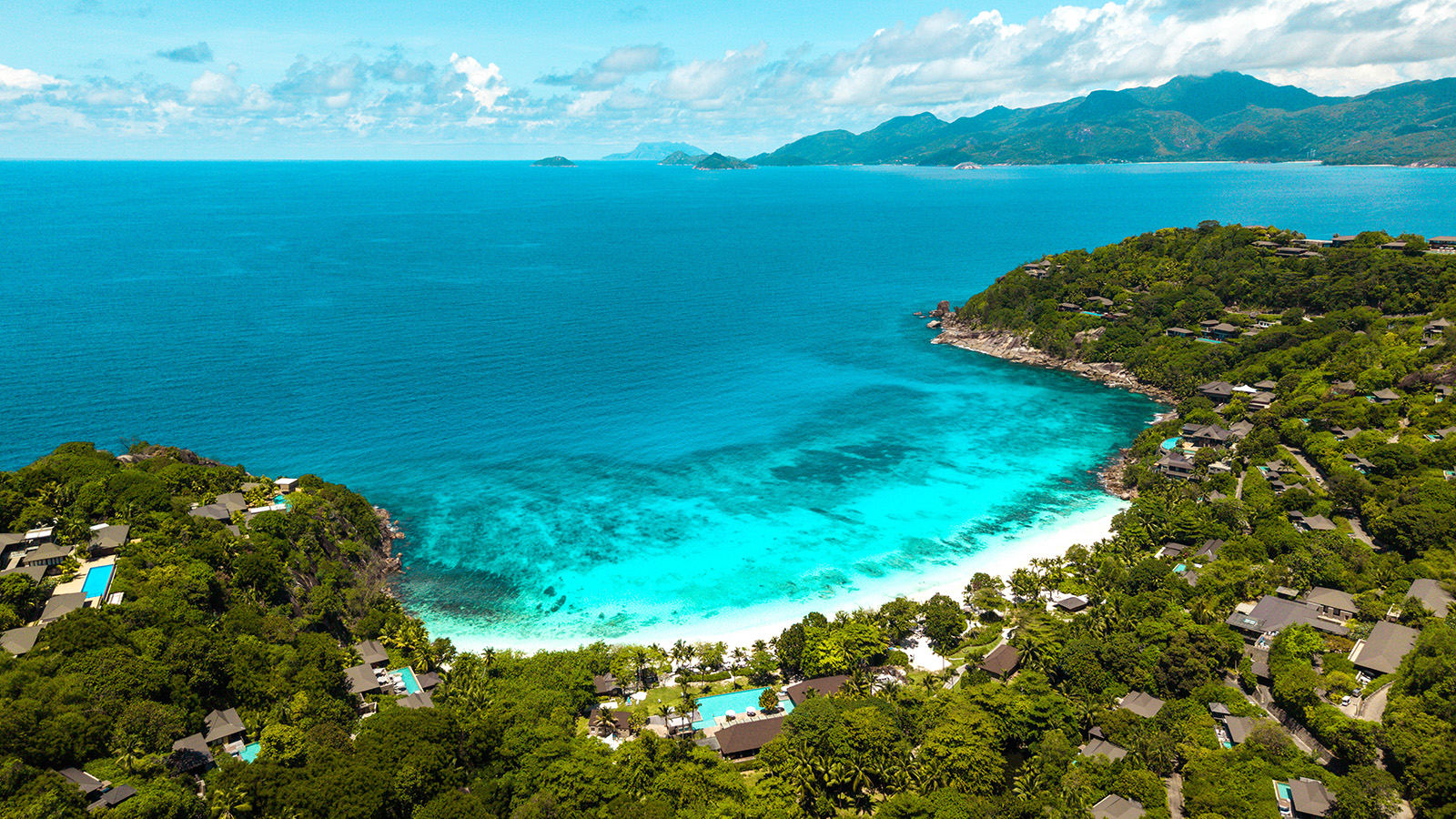
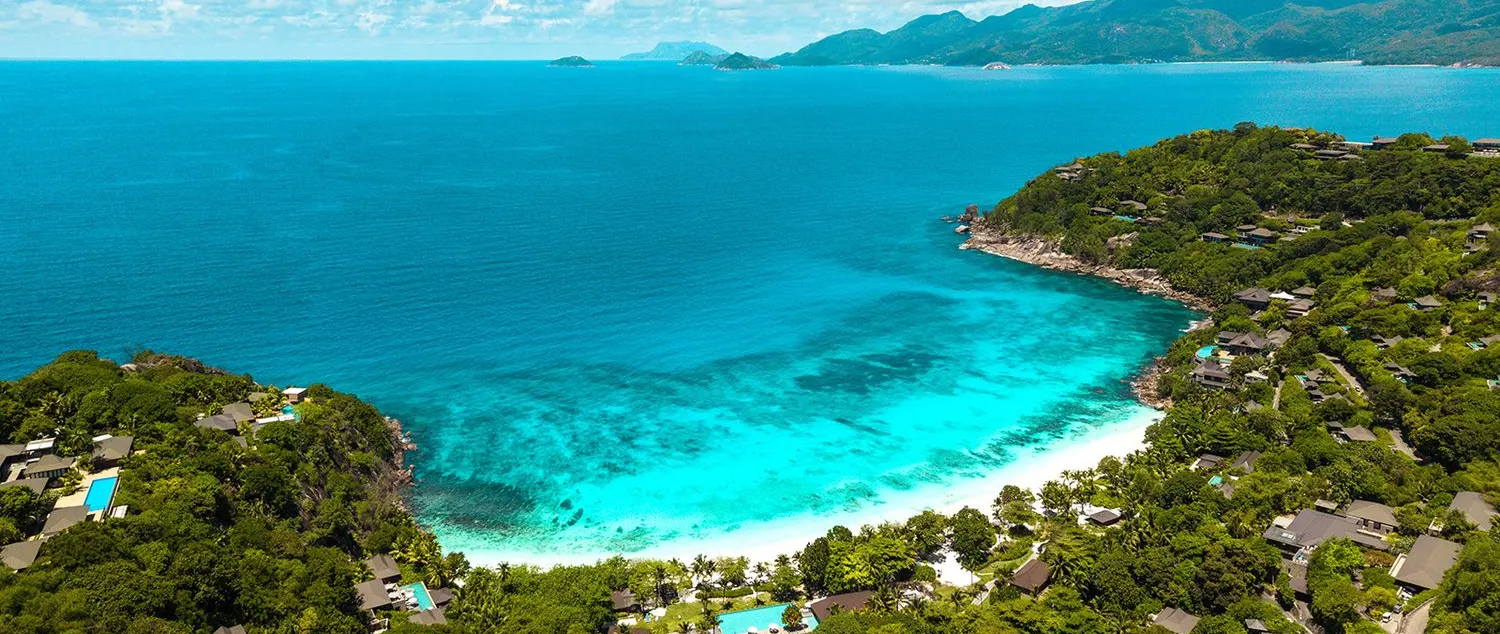
Four Seasons Resort Seychelles has been included in the 2026 Travel + Leisure T+L 500, according to an official statement from the property. The list draws from the publication's World’s Best Awards and is intended to highlight hotels recognised by its readership. The resort occupies a hillside setting on Mahé, with private villas overlooking the Indian Ocean and access to dining, wellness and marine-oriented experiences. This recognition is useful context for luxury travellers, but it is not an independent guarantee that every visitor will have an exceptional stay. The more interesting story is how landscape, privacy and hospitality combine in a destination whose natural setting is a major part of its appeal.
Why a reader-derived list attracts attention
Travel awards can help people identify properties worth investigating, particularly when they face a bewildering range of choices. A reader-based programme reflects opinions gathered through a defined publication process, not a laboratory measurement of service quality. Results may be influenced by who participates, when they travelled and what they value. Being included on a 500-property list should therefore not be presented as being ranked first or as a statement that no comparable hotel exists nearby. The Four Seasons release records the inclusion and the general basis of the selection. Travellers can use that information as one reference alongside current reviews, room descriptions and their own priorities.
Mahé offers more than an isolated beach escape
Mahé combines mountains, forests, communities and coastlines in a relatively compact island setting. A hotel positioned in the hills can provide views across water and vegetation while offering an alternative atmosphere to a crowded urban resort. But travellers should not treat the island as an empty tropical backdrop. Its cultural heritage, residents and environmental challenges are part of the destination. A good visit includes respectful exploration beyond the property, when appropriate, as well as time to appreciate the immediate setting. The resort's location gives access to a particular form of island privacy, but it does not create exclusive ownership of the surrounding culture or landscape.
Hillside villas balance views and movement
A private villa overlooking a bay can provide a strong sense of seclusion, but hillside design raises practical questions about steps, gradients and internal transport. A guest who prioritises panoramic views may be less concerned about a longer walk, while someone with limited mobility may prefer easy access to dining or reception. Prospective visitors should examine the exact villa category and transport arrangements rather than assume all accommodation is configured identically. Photographs can make terraces appear close to the sea even when a steep route lies between them. Privacy should be evaluated alongside how comfortably a person can move through the property during an ordinary day.
The distinction between privacy and isolation
Luxury travellers often seek privacy because it gives them control over time and social interaction, not necessarily because they want to avoid other people completely. A secluded villa can provide quiet mornings, private meals and unhurried views, while shared restaurants or activities offer opportunities to be sociable. The Seychelles resort's hillside layout may support that balance. Yet seclusion can also become inconvenient if every small request involves a long journey. Clear communication, reliable transport and attentive service are essential. A meaningful private stay is one in which the guest can choose when to retreat and when to participate without feeling cut off from the rest of the experience.
Coastal activities require attention to conditions
The hotel's official feature mentions marine-based experiences, which may be attractive to guests interested in snorkelling, swimming or excursions. Such activities depend on weather, sea state, local rules and the abilities of those participating. A picture of calm turquoise water cannot guarantee safe conditions on every day. Travellers should rely on qualified local operators and current information, particularly around currents and protected marine areas. The inclusion of a hotel in a travel list does not certify the safety of every water activity. A thoughtful itinerary can leave space for land-based alternatives when the ocean is unsuitable, preserving enjoyment rather than encouraging unnecessary risk.
An island dining programme can express the location
Restaurants in Seychelles have opportunities to draw on seafood, tropical produce and a range of culinary influences. Yet it would be inaccurate to assume that every dish at Four Seasons is made entirely from locally sourced ingredients without specific evidence. The resort describes curated dining, a broad phrase that should be tested through actual menus, service and the knowledge of staff. Guests may enjoy asking about the fish served on a particular evening or the origin of regional flavours. A coastal setting offers a compelling backdrop, but the meal's quality still depends on preparation and hospitality. Dining should become a connection to place, not merely a luxury ritual repeated anywhere in the world.
Wellness can work with the landscape
The hotel also identifies wellness as part of its resort experience. A peaceful hillside location may encourage rest, but the setting alone does not establish medical benefits. Visitors may value treatments, time outdoors or simply the ability to slow their schedule. The best choice depends on individual needs and comfort. Treatments should be assessed through the qualifications of practitioners, product information and appropriate safety guidance rather than through dramatic claims about rejuvenation. A restorative holiday does not need to involve a complex programme. For some travellers, privacy, sleep and an unhurried walk will be more valuable than booking multiple services in succession.
Environmental stewardship is inseparable from island hospitality
Seychelles' appeal is tied to its beaches, vegetation and marine ecosystems, which makes responsible management a meaningful issue for tourism businesses. A resort can influence water use, waste, land management and the activities it promotes. However, an appearance on a general travel award list is not an environmental certification. The Four Seasons recognition should not be used to infer specific carbon or biodiversity achievements that are not documented in the source. Environmentally minded travellers can ask the property about conservation practices, local partners and measurable outcomes. The best hospitality is attentive to the destination's long-term condition rather than treating scenic beauty as an unlimited resource.
Travel logistics shape the sense of escape
A remote-feeling resort can still require careful planning around international flights, transfers and arrival times. Guests should verify how they will reach the property, how long the journey is likely to take and what arrangements are available if a flight changes. An ambitious first-day programme is rarely necessary after a long trip. Families may appreciate provisions for children, while couples celebrating an occasion might prioritise a quiet arrival. Current visa or entry requirements must be checked with official sources rather than inferred from hotel promotion. An outstanding villa view does not compensate for confusion about basic travel arrangements, and thoughtful logistics help a stay begin comfortably.
The perspective of a yacht-owning guest
Owners and guests of private yachts may be drawn to Seychelles because of its coastal geography and potential for cruising, but a hotel award says nothing about berthing permissions, protected waters or port-clearance arrangements. Those require separate authoritative information. A resort stay may serve as a shore-based interval during a longer journey, offering space for family members who prefer land-based accommodation. It can also be a standalone destination reached by air. The common appeal is the relationship between the accommodation and the ocean, though the experience of a fixed hillside villa differs substantially from that of a mobile vessel. Travellers should value each on its own terms.
Why reviews can differ despite an award
A traveller seeking quiet may love a hillside villa, while another who wants to walk directly from their room to a restaurant may have different preferences. Service expectations also vary. One guest might value discreet staff who rarely interrupt, while another prefers frequent personal contact and detailed planning. Reader-based awards aggregate diverse impressions, potentially obscuring such differences. The most useful review is one that explains circumstances and priorities rather than presenting a simple numerical score. Prospective visitors can compare the source's overall recognition with detailed accommodation and service information to decide whether the resort suits their own style of travel.
Respect for local culture enriches a stay
An international resort can provide familiar comforts, but the destination's character should not disappear behind them. Seychelles has distinctive cultural traditions and communities that deserve respectful attention. Guests can seek opportunities to learn about local food, music, history or crafts through responsible guides and businesses, rather than assuming every cultural activity takes place within the hotel. A property may help organise excursions, but it should not monopolise the visitor's understanding of the island. The strongest luxury travel experiences combine comfort with genuine curiosity and allow local people to speak for themselves.
What the announcement actually establishes
The resort's official statement records its inclusion in the 2026 T+L 500 and describes its Mahé hillside location, private villa offering and selected hospitality activities. It does not provide a verified ranking position within the list, an independent safety assessment or a complete current price and availability schedule. The original photograph is first-party resort media and must be credited as such. Any traveller planning a booking should check the exact villa category, seasonal conditions and current policies. The distinction between a recognised property and a guaranteed perfect experience is essential when evaluating hospitality claims responsibly.
The continuing appeal of place
The Seychelles recognition is ultimately a reminder that an exceptional hotel experience often rests on the relationship between the accommodation and its surroundings. Privacy, landscape, service and the ability to explore the destination all contribute. A travel award can bring attention to that combination, but the actual success of a stay will be determined by how the property meets individual needs and treats the island around it. For luxury-yacht owners accustomed to assessing anchorages for beauty and shelter, a hillside villa introduces a different kind of coastal retreat: fixed in place, shaped by vegetation and views, and dependent on thoughtful hospitality to turn scenery into an enduring memory.
Sources and image credits
Reporting based on Four Seasons Resort Seychelles Named to the Travel + Leisure 2026 T+L 500 List of the World’s Best Hotels.
Lead photograph: Seychelles Resort Recognition Underscores Island Privacy and Place — official Four Seasons first-party press photograph. © Four Seasons Hotels and Resorts, original property press photograph Original official image source.