A decade of Four Seasons in Jakarta
Four Seasons Hotel Jakarta has marked its tenth anniversary in 2026, reflecting on operations since opening in 2016 and its role in Indonesia's capital. The hotel's official anniversary account focuses on employees, returning guests, weddings, events and the relationships that develop around a long-standing urban property. Such a milestone is an opportunity to examine what premium hospitality can contribute to a city, but it is not independent proof that every visitor has received exceptional service for ten uninterrupted years. The most useful story lies in how a hotel preserves a recognisable identity while adapting to changing travellers, a developing urban environment and the practical expectations of business and leisure guests.
Ten years can change a city's travel patterns
A major capital's hotel market evolves as transport networks, business districts and visitor preferences change. An establishment that opened in 2016 has had to respond to several different travel environments, including periods of international disruption and renewed demand. The Jakarta property describes its anniversary as a moment to look ahead rather than a final achievement. That is a reasonable framing: a building may remain impressive, but the services required by guests can change rapidly. A hotel must keep investing in maintenance, staff development and relevant experiences. An anniversary becomes meaningful when it prompts reflection on how a property is used now, not only how it looked at its opening.
Returning guests are a measure of trust
The company emphasises relationships with clients who have visited repeatedly over the years. Repeat business may indicate satisfaction, but the reasons differ from person to person. Some guests return because they like the location, others because a particular staff member remembers their preferences, and others because the hotel suits regular business travel. An attentive team should know how to provide familiarity without becoming intrusive. Remembering a preferred coffee can be welcome; assuming every guest wants the same treatment on each visit may be less successful. Personal service is strongest when staff combine relevant knowledge with the flexibility to respond to a person's changing circumstances.
The employee perspective is essential
An anniversary celebration may feature guests and public figures, but the day-to-day identity of a hotel depends heavily on staff. People who have worked through different periods may understand the property's operations and guest expectations in ways that cannot be fully captured in a manual. New colleagues contribute fresh ideas and experiences, while established teams provide continuity. The Jakarta announcement acknowledges both. A credible hospitality business needs training, fair management and opportunities for professional progression, although the release is not an independent employment audit. Guests often experience organisational health indirectly through whether service remains composed and consistent when circumstances become demanding.
A setting for weddings and milestones
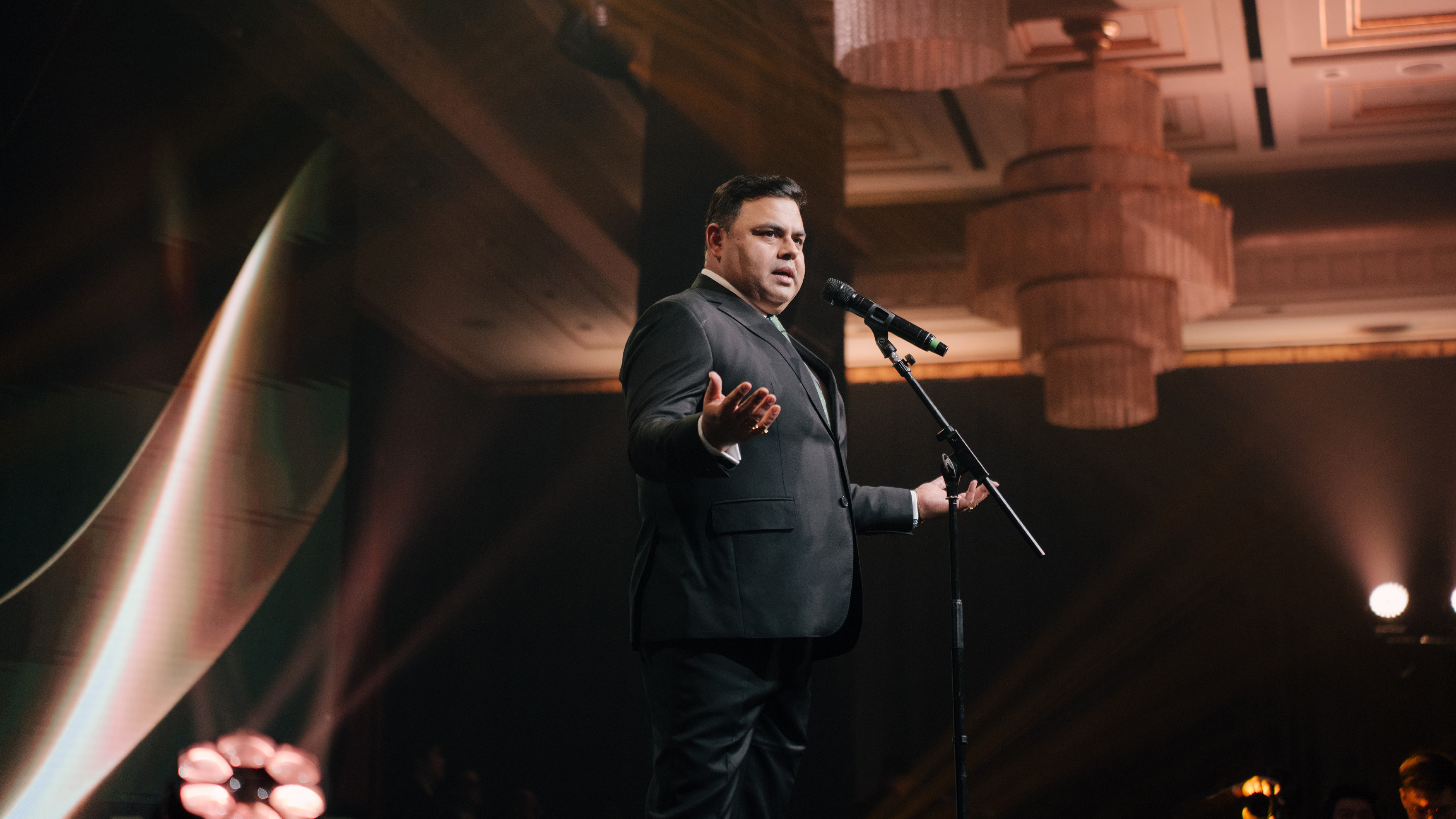
The hotel's anniversary event brought together wedding collaborators and event professionals, reflecting the property's use as a setting for important private occasions. A wedding venue has to deliver a different kind of reliability from a restaurant serving a normal evening meal. Families may have spent months planning details, and the emotional significance of the event makes delays or confusion especially consequential. A capable hotel must coordinate rooms, catering, lighting, guest movement and service with care. The quality of an event is not determined by a dramatic ballroom photograph alone. It depends on clear responsibility and practical contingency planning, especially when several suppliers are involved.
Jakarta combines business travel and personal exploration
The capital attracts visitors with professional obligations, but it also offers distinctive food, design and cultural experiences. A traveller who stays only between meetings may have a very different impression from one who spends time exploring neighbourhoods and local institutions. A hotel can help bridge that gap by providing useful advice without pretending that the property's own restaurants and facilities are the entire destination. The official anniversary story emphasises service and relationships, leaving room for travellers to create their own itinerary. A discerning guest might combine a work commitment with an independent dining experience or visit to a cultural venue rather than filling every available hour with scheduled hospitality events.
The function of design in a familiar property
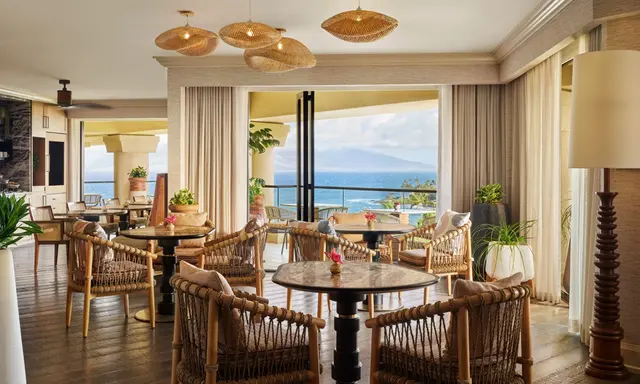
Architectural character can help visitors remember a hotel, particularly when materials, lighting and furniture form a coherent setting. But an attractive interior is only the beginning of long-term quality. After a decade of use, guests should expect carefully maintained rooms, efficient systems and practical conveniences appropriate to contemporary travel. A hotel celebrating an anniversary can reflect on what has remained successful and what deserves improvement. The Jakarta release does not provide a technical condition survey or list of renovations, so no such claims should be invented. The broader lesson is that good design has to support daily activity, not simply make a powerful first impression.
Recognition adds context without replacing judgement
The property cites Two Michelin Keys in 2025 and distinctions from Tatler and DestinAsian in its anniversary account. These awards may help travellers understand how the hotel has been positioned, but they belong to different programmes and should not be conflated. A Michelin Key concerns hotel hospitality, not a direct claim that the restaurant holds two Michelin stars. A reader award or service distinction likewise has its own methodology and date. People booking a room should review current facilities, location and personal priorities rather than assume that an award from a previous year guarantees every aspect of a future stay. Accurate attribution protects both the hotel and the reader.
Food can connect an international hotel to Indonesia
A capital-city luxury hotel can draw on Indonesian ingredients and traditions while serving visitors familiar with international cuisine. That balance requires attention to the expertise of local culinary professionals. An exclusive dining room should not treat regional dishes as exotic novelties; it can provide context, careful preparation and a genuine connection with the wider food culture. The anniversary announcement does not detail a new specific menu, so it would be inappropriate to invent one. Travellers interested in local cuisine can ask the concierge about current recommendations inside and outside the hotel, including independent establishments where the city's food identity is expressed in different ways.
Service consistency is a complex organisational achievement
Guests often describe excellent hospitality as effortless, but the apparent ease is produced through training, communication and the resolution of small problems before they escalate. A room not ready on time, a delayed airport transfer or a misunderstood dietary preference can affect an entire stay. Managers must build systems that handle such events without leaving guests to coordinate the solution themselves. The Jakarta anniversary release celebrates personal connections; the practical test of that principle is how staff respond when something goes wrong. A premium brand earns trust through reliability and accountability, not simply through a polished greeting or an impressive public celebration.
The needs of long-stay guests differ
A short business visit may involve breakfast, meetings and a comfortable place to sleep. A family staying longer can have quite different priorities, including connected rooms, child-friendly dining and access to leisure activities. The same hotel must consider how its facilities serve both. Returning guests may also arrive with different circumstances from their previous visit. A flexible approach allows staff to ask rather than assume. Travellers should communicate important needs before arrival, particularly if they require accessibility features or have an event schedule. The most satisfying service is personalised through dialogue, not through an inflexible idea of what luxury travellers are supposed to want.
A decade is a useful point to consider sustainability
A hotel operated over many years accumulates decisions about energy, water, maintenance and procurement. Anniversary reporting can invite questions about how those systems have evolved, although the official Jakarta feature does not provide comprehensive environmental performance figures. Travellers should not infer sustainability achievements from awards primarily concerned with hospitality or service. A property interested in responsible operations can communicate concrete measures and progress, allowing its claims to be assessed in context. The city itself faces important infrastructure and environmental challenges that are far larger than any one hotel. Hospitality businesses can participate responsibly, but they should avoid presenting an anniversary celebration as proof that those wider issues have been resolved.
Recognising local partners
The hotel's celebration included professional partners from media, fashion and events, illustrating its relationships beyond overnight guests. Such networks help create cultural and commercial activity within a city. However, the value of a partnership should be judged through substantive work, fair arrangements and continuity rather than the prominence of names at a reception. A hotel can support local makers and event specialists when it commissions work and gives contributors appropriate credit. Travellers who appreciate design can ask about the origin of objects used around the property, building a more informed understanding of its connection with Jakarta's creative community.
What the source establishes
The first-party announcement confirms the hotel's opening year, tenth-anniversary celebration and the company's reflections on staff, returning guests and selected recognitions. It does not independently verify every service interaction since 2016 or supply current prices and room availability. The official photograph documents the property or anniversary context and should be credited to Four Seasons. Earlier awards should retain their original dates and categories. This report therefore treats the milestone as a starting point for considering service continuity and the evolution of city hospitality rather than as evidence that the hotel's reputation can never be questioned.
The continuing relevance of a trusted city address
For luxury-yacht owners and international travellers passing through Jakarta, a dependable hotel can provide a comfortable base between journeys. Familiarity may reduce the effort of organising a stay, particularly when the same team understands a guest's preferences and schedule. But long-term trust still needs to be earned on each visit. The Jakarta anniversary reminds travellers that high-end hospitality is built gradually through people, systems and thoughtful responses to changing needs. A decade offers a meaningful history, while the next stage will be judged by how well the property continues to connect guests with the city and its own evolving standards of care.
Sources and image credits
Reporting based on Four Seasons Hotel Jakarta Celebrates a Decade of Exceptional Hospitality.
Lead photograph: Jakarta's Four Seasons Anniversary Reflects a Decade of Design — official Four Seasons first-party press photograph. © Four Seasons Hotels and Resorts, original property press photograph Original official image source.