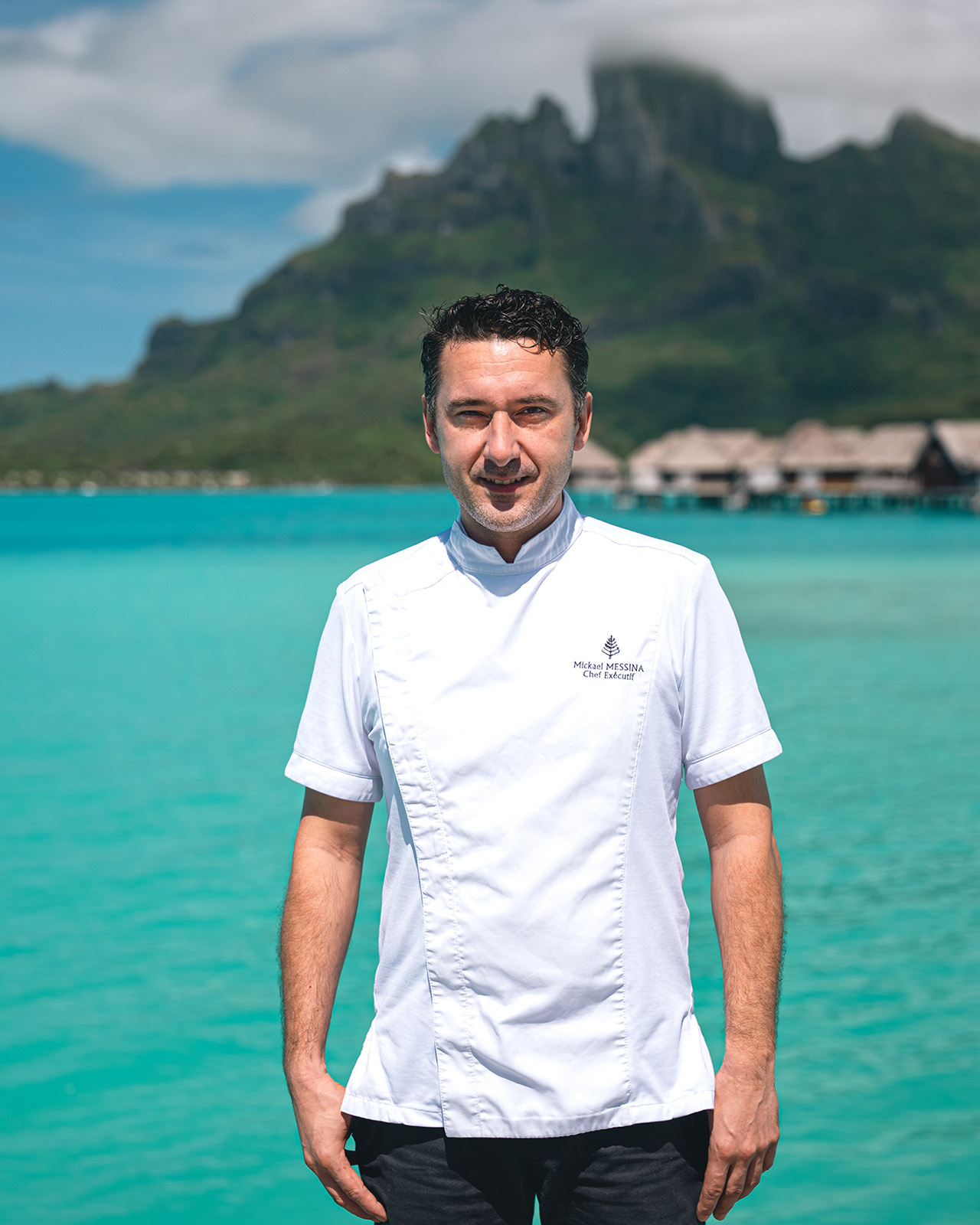
A new executive chef arrives in Bora Bora
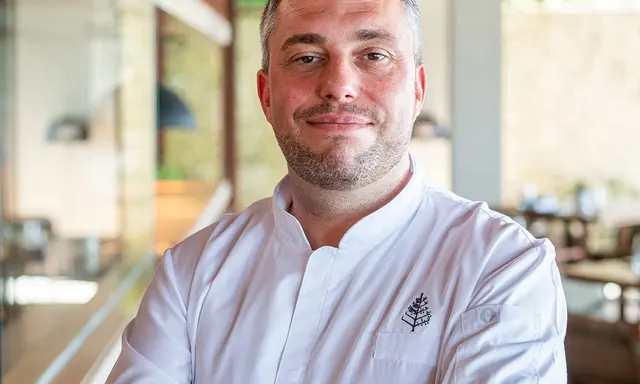
Four Seasons Resort Bora Bora has appointed Mickael Messina as executive chef, placing an experienced international hotel professional in charge of its restaurants, in-room dining and event catering. The property describes a career of approximately twenty-five years, including work in France, the Cayman Islands, Hong Kong and the Maldives before his move to French Polynesia. For luxury travellers, a senior kitchen appointment can matter because it influences much more than the menu of one restaurant. The executive chef helps set standards for sourcing, training, service consistency and the culinary identity of an entire resort. The actual dishes and programmes that follow should be judged as they become available rather than assumed from an appointment announcement.
Island cooking has its own logistical demands
A resort in Bora Bora operates in a setting with extraordinary scenery but also complex supply considerations. Ingredients may arrive from other islands or farther afield, while weather and transport schedules can affect availability. A chef accustomed to large urban markets must adapt to a different rhythm of deliveries, storage and seasonal choices. The goal should not be to reproduce a European menu regardless of location, but to develop a coherent approach that respects the island environment and the expectations of guests. This analysis is about the practical challenge of island hospitality; the hotel release does not provide a comprehensive new sourcing policy or supplier list.
A career that spans contrasting culinary environments
Messina's reported path includes formal training in France, early work in the north of the country and experience at establishments in Paris and other French locations. He later held executive-chef positions in Hong Kong and most recently worked at Cheval Blanc Randheli in the Maldives. Each setting calls for a different balance between culinary identity, guest expectations and available produce. Moving from a major city to a private island can sharpen a chef's awareness of logistics and the importance of consistent execution. A biography shows breadth of experience, however, not a guarantee that every guest will prefer the resulting cooking style. Individual taste remains central to dining.
Returning to the island environment
According to the resort, an earlier stage of Messina's career included a role at a Ritz-Carlton property in Grand Cayman. That makes Bora Bora part of a longer relationship with island hospitality rather than his first encounter with it. Tropical resorts often require a kitchen to serve different moods within the same day: a light lunch after swimming, a more elaborate dinner and private meals for celebrations. The flexibility to work across those settings is valuable. But the identity of each island should still be respected. The flavours, traditions and cultural relationships of French Polynesia cannot be treated as interchangeable with those of the Caribbean or Indian Ocean.
Four restaurants mean multiple culinary identities
The executive chef's remit covers four restaurants, which gives him responsibility for a varied set of experiences rather than a single signature dining room. A resort guest may want a quiet breakfast, a casual midday meal and an intimate evening service over the course of a stay. Those occasions should feel related through quality but not identical in style. A strong culinary programme allows each venue to maintain its own purpose. A traveller should also consider whether the dining options fit different ages, preferences and dietary needs. A resort with several restaurants can offer considerable choice, but only if the menus, hours and reservation practices are communicated clearly.
In-room dining often reveals service quality
Private dining is sometimes judged less glamorous than a formal restaurant, yet it can be central to a stay in an overwater villa or secluded suite. Food must travel safely, arrive at an appropriate temperature and remain enjoyable in a setting where the chef cannot control every aspect of service. Messina's remit includes in-room dining, according to the hotel's announcement. The quality of that operation depends on coordination between the kitchen and service teams. Guests should not assume every restaurant dish can be delivered unchanged to their villa; some preparations lose texture during transport. The best in-room menu is designed with the realities of the journey in mind.
Events demand consistency under pressure
Banquets and special events are also part of the new chef's responsibility. A wedding reception or private celebration may require dozens of plates to reach guests at the same moment, making timing and organisation as important as individual culinary flair. In an island resort, staffing and delivery considerations can add complexity. A host planning an event should discuss the number of guests, dietary requirements, serving location and weather alternatives well before the date. The executive chef may guide the culinary concept, but reliable execution depends on the whole team. A special meal is remembered for hospitality as much as for the reputation of the person leading the kitchen.
Respecting the ingredients of French Polynesia
A chef in Bora Bora has an opportunity to engage with the region's seafood, fruits and culinary traditions. Such engagement should be based on knowledge and appropriate relationships with local producers rather than superficial decoration. A fish dish becomes more meaningful when the kitchen can explain its sourcing and preparation, while a seasonal ingredient may tell a story about the surrounding islands. Guests interested in responsible consumption can ask about origin and fishing practices. The official appointment announcement does not set out specific sustainability commitments or a complete new menu, so any future claims should be assessed through the choices the restaurant actually makes.
French technique without cultural uniformity
Messina's French training may inform precision, sauce-making, pastry or kitchen management, but applying those skills in French Polynesia need not produce a narrowly French restaurant. Technique is a set of tools that can serve different culinary traditions. The challenge is to use it in a way that supports ingredients and guests rather than dominating them. A hotel serving an international audience must also avoid confusing familiarity with quality. Some visitors will appreciate classic European dishes; others will want to discover food rooted more deeply in the destination. A successful executive chef can provide a thoughtful balance without pretending that every influence is local.
Training is a major part of the role
A senior chef's influence often grows through the people who work in the kitchen. Coaching, clear standards and opportunities to develop skills can have a more lasting effect than one spectacular event. A resort's pastry, breakfast, seafood and banquet teams need consistent procedures while retaining scope for creativity. The hotel describes Messina as a leader with extensive experience, but there is no need to invent a new apprenticeship initiative or attribute a particular teaching programme to him without evidence. The important editorial point is that an executive appointment creates an opportunity to strengthen teams. Guests experience those standards through ordinary service over time.
A resort with international recognition
The property's release mentions its receipt of two Michelin Keys, an accommodation distinction that concerns the hotel experience rather than the star rating of a particular restaurant. It would be inaccurate to turn that recognition into a claim that the new chef operates a two-Michelin-star kitchen. Awards can help travellers identify properties they might wish to investigate, but individual dining preferences still require attention. The chef appointment may be part of the resort's continuing development, while the separate award offers context about hospitality positioning. Clear distinctions between different forms of recognition protect readers from exaggerated assumptions about the food.
What a traveller might ask before booking
A guest considering a special meal can enquire about the current restaurant menus, availability of private dining, requirements for advance reservations and the kitchen's approach to allergies. If the trip involves a significant celebration, the party should communicate its priorities ahead of time. A preference for seafood, vegetarian preparations or an intimate location can influence the best choice of venue. The hotel may be able to describe its current culinary programme, but the announcement itself does not guarantee a tasting menu created personally by Messina for every guest. A well-informed booking starts with an accurate understanding of what is actually offered.
The interplay between setting and cuisine
Bora Bora's lagoons and mountain views are powerful elements of the dining experience, but a beautiful setting can make it easy to overlook what arrives on the plate. The strongest resort restaurants combine a sense of place with disciplined cooking and considerate service. A simple lunch may be more enjoyable when it suits the climate and the guest's activities than an elaborate menu that feels out of context. Guests can look for thoughtful portioning, appropriate ingredients and a dining room that allows them to enjoy the surroundings comfortably. The chef's role is to bring these practical and aesthetic decisions together rather than rely exclusively on the destination's reputation.
What the official source actually records
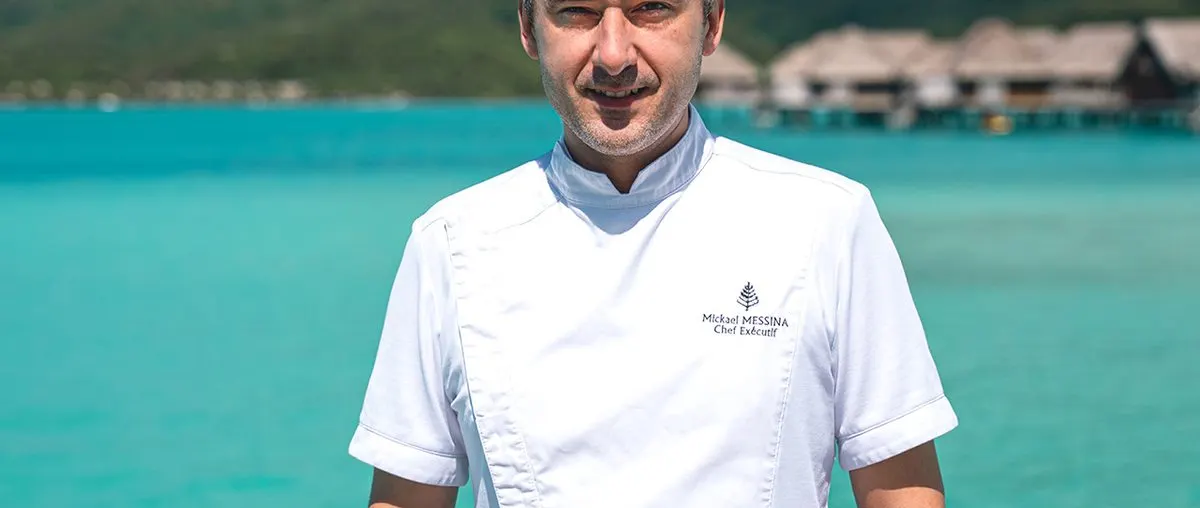
The verified announcement establishes Messina's appointment, broad responsibilities, educational background and earlier international positions. It does not independently evaluate the resulting menu, provide prices or specify future dishes that have not been announced. The original press photograph is supplied by Four Seasons and should be credited as a first-party portrayal of the resort or chef, not evidence of a particular completed dining experience. Readers should distinguish this report's operational analysis from the factual appointment itself. That distinction is especially important in hospitality, where a promising new direction may take time to become visible to guests.
Why the appointment matters to luxury travellers
For owners and guests of luxury yachts visiting French Polynesia, a resort restaurant can provide a change of scene from dining aboard while retaining the privacy and service expected of a premium destination. A new executive chef can bring useful experience to that offering, particularly when it combines international craft with the rhythms of island life. Messina's background suggests familiarity with several different hospitality environments, but the most compelling evidence of success will come from consistent, destination-aware menus and staff performance. The appointment is therefore worth watching as part of the evolving culinary identity of Bora Bora, without treating reputation alone as the final measure of the guest experience.
Sources and image credits
Reporting based on Bon Appétit and Manuia: Mickael Messina Named Executive Chef at Four Seasons Resort Bora Bora.
Lead photograph: Bora Bora Chef Mickael Messina Brings New Island Dining Direction — official Four Seasons first-party press photograph. © Four Seasons Hotels and Resorts, original property press photograph Original official image source.