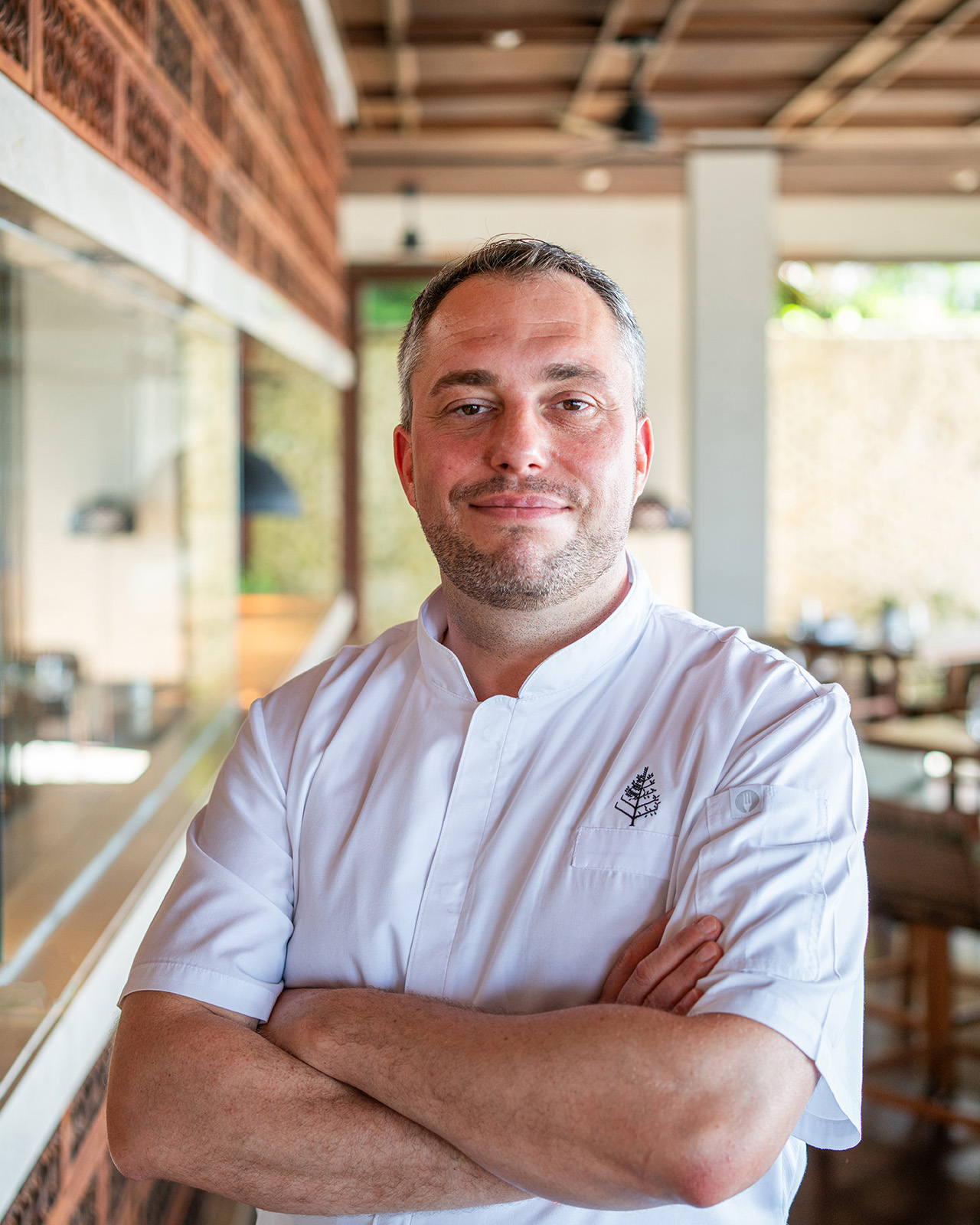
Benjamin Halat's culinary leadership at Jimbaran Bay
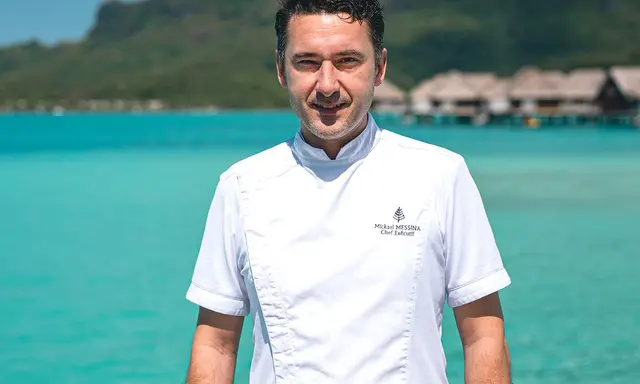
Four Seasons Resort Bali at Jimbaran Bay appointed Benjamin Halat executive chef effective 1 May 2026, according to its official announcement. The move placed an internationally experienced chef in charge of a resort whose dining ranges from seafood by the ocean to Balinese traditions, live cooking stations and more informal bar and pool service. Although the appointment occurred earlier in the year, it remains relevant to travellers considering how the property's food identity may evolve. A senior chef brings experience and organisational leadership, but the value of the change should be judged through current menus, staff development and the experience delivered to guests rather than through biography alone.
A family influence behind the professional career
Halat's account of childhood meals in Munich and time spent eating with family in Italy offers a personal explanation for his interest in food. Such memories can shape a chef's approach to hospitality, but they are not a substitute for technical training. The announcement describes an apprenticeship beginning at seventeen in a Michelin-starred Munich kitchen, followed by work across Europe and Asia. That combination of personal motivation and formal discipline may be useful in a resort where meals must feel generous and relaxed while meeting demanding standards. Guests will ultimately encounter the results through the cooking and service rather than the story of the chef's early inspiration.
Experience across several culinary markets
The resort credits Halat with work in Germany, Switzerland, Malaysia, Singapore and Thailand, as well as an executive role at Mandarin Oriental Savoy in Zurich. Such experience can expose a chef to different approaches to seasonality, ingredients, kitchen organisation and guest expectations. Yet an international career does not automatically make someone an authority on Bali's cuisine. A respectful new leader needs to learn from local colleagues and producers rather than impose a familiar menu from elsewhere. The opportunity is to combine technical experience with genuine curiosity about the destination. That work takes time, and guests should be cautious about assuming a complete culinary transformation has already occurred.
Bali's food traditions require more than a decorative influence
Balinese cuisine is rooted in regional ingredients, techniques and social customs that cannot be reduced to a few flavours on an international menu. The resort already offers Jala, a venue described as drawing on traditional Balinese recipes. Halat's role may involve supporting the people who maintain that knowledge while finding ways to introduce interested visitors to it. A chef should treat such traditions with care, crediting local expertise and distinguishing authentic practices from personal reinterpretation. A traveller can benefit by asking about the origins of a dish or the season in which an ingredient is used, rather than expecting an international hotel to serve one simplified definition of local food.
Sundara and the rhythm of an oceanfront meal
Sundara is promoted as the resort's seafront restaurant, with a setting that invites guests to appreciate sunset and coastal dining. Such a location creates practical demands for a kitchen. Seafood needs precise handling, outdoor service must account for weather and the pace of a meal should suit guests moving between swimming, drinks and dining. A beautiful ocean view can attract attention, but it should not disguise the importance of freshness and execution. Diners interested in seafood sourcing should ask about the fish offered on the day. The hotel's announcement describes its venues, not a detailed independently verified list of supply-chain certifications.
Jala makes a different contribution
Jala provides an opportunity to encounter flavours and preparations associated with Bali rather than treating the destination only as a backdrop for international restaurant concepts. In a multi-venue resort, that distinction matters. A family might choose local dishes on one evening and a more familiar international menu on another. The kitchen should make the traditional offerings approachable without reducing them to novelty. Staff explanations can help guests understand ingredients and the context of a preparation. A visitor who genuinely wants to explore local food should also make time for independent restaurants and markets beyond the hotel, creating a broader picture of the island's culinary life.
Taman Wantilan and visible cooking
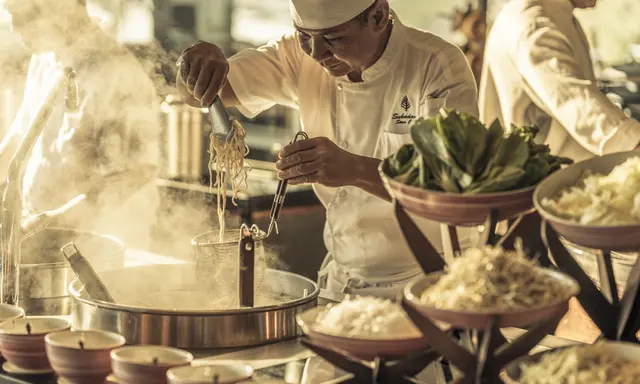
The property's Taman Wantilan venue is described as offering Asian and Western cuisine through live stations. This style of service can be enjoyable because guests see some preparation taking place and have more choice about portions and ingredients. It also creates operational challenges involving food temperature, queues and the need to manage different dietary requirements. Good kitchen leadership should make the experience feel organised rather than overwhelming. A carefully executed simple dish may be more satisfying than a sprawling display that compromises freshness. The executive chef's influence may therefore be as visible in service systems and team training as in any new signature recipe.
TELU and an approach to conscious drinking
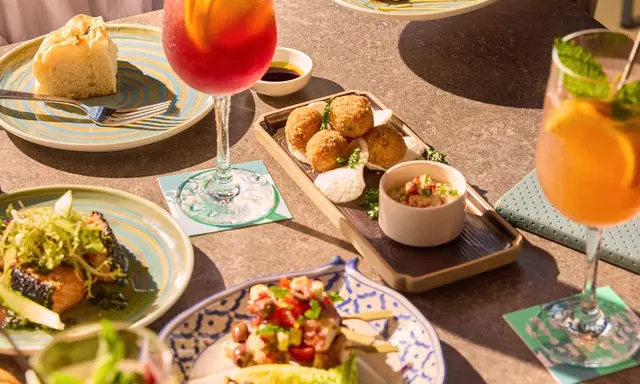
TELU is described by the resort as a bar with a focus on thoughtful cocktails and service, offering another setting in which food-and-beverage leadership can shape a guest's experience. A bar's identity rests not only on its drinks list but also on ingredients, atmosphere and the quality of communication with guests. The language of sustainability should be handled carefully: a cocktail made with local herbs does not automatically have a negligible environmental footprint. Visitors can enjoy creativity while asking how ingredients are sourced and how waste is managed. Non-alcoholic options can also be important for inclusive hospitality, particularly when groups have different preferences.
The practical significance of a resort's multiple restaurants
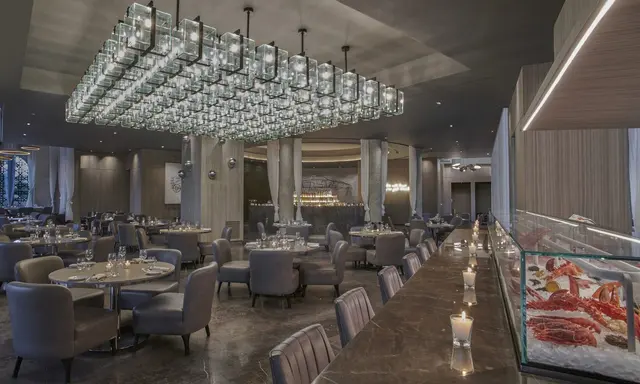
A hotel with several dining venues can give guests variety without requiring a journey across the island every evening. Yet choice becomes less meaningful if menus overlap excessively or if service standards differ sharply between locations. An executive chef helps coordinate kitchens while preserving each venue's distinct purpose. The role involves training, purchasing, food safety and reliable performance during busy periods. Travellers should evaluate whether a restaurant's identity is clear: does Sundara feel like relaxed coastal dining, does Jala offer an introduction to Balinese cooking and does a live station provide genuine freshness? Different formats should share professional care without becoming identical.
Ingredients and seasonality in a tropical setting
Bali's climate offers access to fruits, herbs and other produce that can contribute to distinctive cooking. But fresh ingredients are not automatically local, and the movement of products through a resort kitchen can be complex. A new executive chef has an opportunity to review supplier relationships and adapt menus to availability. Guests concerned with responsible sourcing can ask about the origin of seafood, vegetables and meat without expecting the answer to be simple. A responsible kitchen should be transparent about what it knows and avoid presenting every dish as entirely sustainable through a broad marketing phrase. Seasonal choices can support good flavour and practical procurement when properly managed.
Leadership also involves the people behind the food
Halat's official biography highlights his emphasis on supportive kitchen culture. That is important because a large resort's restaurants depend on many people whose work is not visible in a chef's portrait. Training, clear expectations and safe working conditions can influence the consistency of food and service over time. A kitchen that encourages discussion may also benefit from the knowledge of local colleagues. Diners cannot assess internal employment practices from a meal alone, and the announcement is not a third-party workplace audit. Nevertheless, the culture created by an executive chef can affect the hospitality guests experience in subtle ways, from attentiveness to how a service problem is resolved.
A sunset dining destination needs realistic expectations
Promotional photographs of Jimbaran Bay often emphasise golden light and attractive seaside tables. Weather, tides and room layout can change the view and experience on a particular evening. Guests planning a special celebration should confirm whether a booking is indoors or outdoors, how weather alternatives work and which menu is available. A dining destination can be excellent even when clouds hide the sunset; the test is whether staff can create a comfortable occasion without depending entirely on the scenery. A traveller should choose a restaurant for the food and service as well as the setting, especially when a significant event is involved.
Catering to families and different travel rhythms
Bali resort guests may include couples, families with young children and groups celebrating major occasions. Their needs vary considerably. A family may want a flexible early meal; a couple might prefer a longer dinner with several courses; another guest may want only a quick snack after a day outside. The kitchen has to respond to those different rhythms without making anyone feel out of place. This is one reason a multi-venue operation needs strong central leadership. Guests can help by communicating preferences and dietary needs ahead of time. Effective luxury service means adapting the experience to people rather than expecting them all to behave like formal fine-dining customers.
Travellers should distinguish a new appointment from a new menu
The official release documents Halat's appointment, effective date and career background, but does not prove that all of his future menus were complete on that day or that a particular dish will always be available. It also references recognition awarded to the property and its venues in earlier years, which should not be confused with a direct award to every current meal. The first-party photograph is sourced from the resort's media and should be credited as such. Readers planning a stay should consult current restaurant pages and confirm reservations, rather than assume that an appointment announcement contains the complete dining programme.
A culinary chapter worth observing
The appeal of Halat's role is the chance to see how experienced international kitchen leadership interacts with a strong island food culture. Bali has its own traditions, ingredients and rhythms, while a luxury resort must also accommodate guests seeking familiar dishes and varied dining formats. A successful result would combine those demands without flattening the character of the destination. For owners and guests of yachts travelling through Southeast Asia, a resort dinner can provide a distinctive shore experience, but it should be evaluated by actual food, service and respect for place. The appointment offers a promising point of interest, not a conclusion about culinary excellence made in advance.
Sources and image credits
Reporting based on Four Seasons Resort Bali at Jimbaran Bay Serves Up a Fresh Culinary Chapter with New Executive Chef Benjamin Halat.
Lead photograph: Bali Jimbaran Bay Chef Benjamin Halat Takes a Coastal Approach — official Four Seasons first-party press photograph. © Four Seasons Hotels and Resorts, original property press photograph Original official image source.