A five-day art encounter planned for Miami
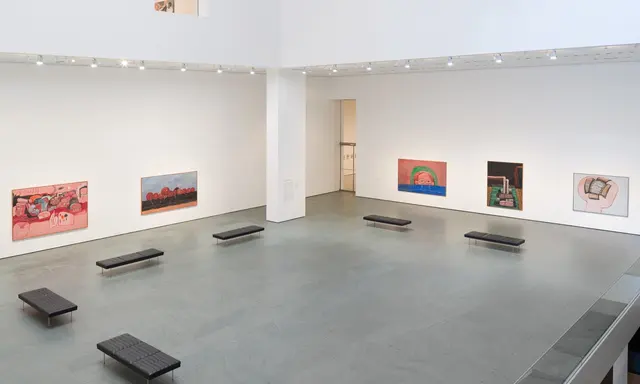
LVMH The Studio Miami is scheduled to return to the Miami Design District from 2 to 6 December 2026, turning the Palm Court Event Space into a temporary meeting place for contemporary artists, collectors and the luxury industry. The official programme describes a five-day pop-up gallery in its sixth year, with featured artists, public visiting hours and conversations about craft, business and culture. This is a programme preview, not a review of an event that has already occurred. The venue is listed at 140 NE 39th Street, on the third floor, with opening hours of 11 a.m. to 4 p.m. each day. Those practical facts matter because the project is framed as an accessible artistic encounter rather than a private product launch available only to invited guests.
The value of giving artists space
Luxury houses frequently collaborate with artists, but a credible cultural programme requires more than placing a commercial logo beside a painting. The Studio's stated ambition is to give practitioners a place to share work, meet audiences and explore ideas that do not fit neatly into a conventional retail calendar. An artist's research, chosen medium and personal experience need room to remain visible. At the same time, a luxury organisation can introduce expertise in craftsmanship, production and public presentation that may be useful to creative practitioners. The balance is not automatic: the strength of the programme will depend on whether artists' own voices can be heard. The advance schedule suggests an intention to make conversation and visibility substantial parts of the experience.
The 2026 selection is deliberately varied
The official artist roster spans painting, sculpture, textiles and mixed-media work. Cavier Coleman is described as a New York-based multidisciplinary artist whose practice connects fine art, fashion photography and expressive design. G Darkins develops vivid portrait-based oil painting shaped by memory and identity. Jay Chung explores the relationship between the body, environment and lived experience through layered work on canvas. Kid Kardiac works with yarn and mixed media to preserve aspects of Black American culture. These are distinct practices, not a single house style. Their inclusion suggests that the curators are interested in how craft and representation intersect across mediums, and that material differences can make a group programme more informative than a tightly branded aesthetic.
Sculpture, pixels and memory
Other announced participants extend that range of approaches. Petie Parker's work examines identity, memory and the relationship between setting and possibility. Rachel K, a Franco-Lebanese artist based in Beirut, uses materials such as fiberglass, steel and resin in sculptural works. Rodrigo Méndez combines classical oil-painting methods with the visual language of low-resolution pixels, bringing digital references into a traditional medium. Sajid Ali Amiri investigates material, light, perception and human presence, while Nigerian American painter Samsins places grayscale realism in dialogue with vivid colour. These descriptions come from the organiser's own profiles; they should not be mistaken for a catalogue of every work that will appear. The specific pieces and their final installation details remain subjects for a subsequent on-site report.
A public programme with several audiences
The calendar is not limited to people already established in the art market. On 3 December the organisers list a pro-bono clinic offering complimentary legal and financial guidance to artists, creatives and entrepreneurs, with registration and appointments required. The same day brings a legal panel on collaboration and a conversation involving LVMH Maison presidents. The juxtaposition is notable: a developing artist may need advice about rights and contracts at the same time as an experienced collector wants to understand how major brands think about culture. The programme cannot resolve every imbalance in the creative economy, but it does acknowledge that artistic practice has a business and legal dimension. That is a more useful starting point than treating the artist as a supplier of imagery.
The art of collaboration as a practical discipline
Collaboration is often described in luxury marketing as an effortless exchange of inspiration. In reality, a successful project requires clear agreement about authorship, deadlines, reproduction rights, attribution, payment and how work may be presented after the event. The Studio's legal panel is listed under the theme The Art of the Collab, highlighting exactly the issues that can disappear beneath polished publicity. These questions are relevant to galleries, designers and brands, but also to collectors commissioning site-specific work. The most attractive proposal can become difficult if an artist and purchaser understand future use differently. A public discussion of rights and partnerships gives the programme a practical dimension beyond aesthetic appreciation, without guaranteeing that any one commercial arrangement will be endorsed.
Conversations beyond the gallery floor
The 4 December programme includes a featured-artists panel and a conversation with Alex Winokur on luxury, lifestyle and cultural impact. Further culture discussions are listed for 5 December, including a fireside chat with Everette Taylor and a panel on the relationship between culture, luxury and influence. The precise content of these sessions cannot be reported before speakers have spoken. What the schedule makes clear is the range of questions the organisers want visitors to consider. How does an artist build a durable practice? What responsibilities accompany commercial visibility? Can a luxury brand create space for culture without overwhelming the artist's authorship? Those are more searching questions than whether a gallery installation looks attractive in photographs.
The relationship between collecting and experience
An art collection begins with individual works, but its character also develops through encounters with artists, visits to exhibitions and a willingness to learn about unfamiliar materials. The Studio offers a setting where these processes could overlap. A visitor might be drawn to a painting through colour before discovering the artist's account of memory, or encounter a resin sculpture through its unusual shape before learning how it was produced. Those possibilities are editorial observations rather than documented visitor reactions. They explain why public programming matters for collectors who wish to understand the object beyond a brief sales description. The experience of asking questions and listening to makers can influence long-term decisions more responsibly than relying on status or an imagined investment return.
A relevant lesson for yacht owners
Art on a luxury yacht presents challenges distinct from those of a conventional home or gallery. Works may be exposed to movement, humidity, salt air, changing light and constraints on fastening or conservation. A dramatic sculpture that suits a temporary Miami exhibition may not be safe or practical in a vessel's interior without specialist assessment. Nevertheless, the Studio's emphasis on medium and authorship has direct relevance to owners selecting or commissioning art for a yacht. Understanding the artist's intended materials, installation method and intellectual-property conditions should come before the final choice of location. When architects, crew and conservators are involved early, a collection can be enjoyed without asking an artwork to withstand unsuitable conditions simply because it looks impressive.
The wider role of craftsmanship
Luxury and art are often paired through the word craftsmanship, but the term needs to be examined rather than repeated. A textile maker, painter and sculptor may each be highly skilled while pursuing very different relationships with labour, repetition and materials. The Studio's varied roster provides a chance to see that distinction. Technical excellence does not require every artist to make an immaculate surface; deliberate irregularity, visible process or an unexpected material may be central to the idea. Likewise, a brand's experience of production is not identical to an independent artist's practice. Conversations between these worlds can be useful when they preserve the different purposes of each. The programme is valuable insofar as those differences remain open to discussion.
Miami's art-week setting
The Miami Design District becomes particularly active during the early-December cultural calendar, when galleries, collectors, fashion houses and designers converge. The Studio's dates place it within that period, yet its stated public opening hours differentiate it from some invitation-only gatherings. That distinction can broaden the kinds of people who encounter the artists. It also brings practical limits: anyone planning a visit should check the organiser's latest programme for capacity, changes or registration rules, especially for workshops and panel discussions. A published schedule is useful evidence of intention, not a permanent guarantee that every listed session will proceed unchanged. The most responsible advance coverage helps visitors understand what to expect while preserving room for later confirmation.
What should be measured after the event
A cultural programme can be evaluated through more than visitor counts and social-media attention. Useful questions include whether individual artists received meaningful presentation time, whether their works were accurately credited, and whether the conversations supplied practical insight rather than rehearsed slogans. An exhibition's visual quality also matters, but it should be assessed against the work it contains. The Studio has not released verified post-event attendance, sales totals or visitor feedback as of this preview. It would therefore be wrong to present commercial or critical success as an established outcome. The announcement supports a clear report of dates, participants and planned sessions; further claims need evidence collected during or after the programme.
A cultural proposition rather than a product catalogue
The Studio sits at the intersection of several powerful industries: luxury brands, commercial design, art markets and cultural production. It is tempting to collapse these into one language of exclusivity. The official programme instead gives a basis for a more interesting examination of identity, material choice, artists' rights and the economic realities of making things. The show may be attractive to luxury collectors, but it is also framed as open to a wider public. That makes its success dependent on whether participation feels meaningful for people who are not already buying art. An independent editorial account should keep both possibilities in view, celebrating access where it exists while remaining attentive to the voices and interests of the makers themselves.
The information to carry into December
LVMH The Studio Miami is scheduled for 2–6 December at the Palm Court Event Space in the Miami Design District, with 11 a.m.–4 p.m. daily public opening hours. The published 2026 roster currently identifies nine featured artists, and the calendar includes discussions of culture, creative work, law and business. Details may change before the opening, and no review of the completed exhibition is possible yet. The official Studio Miami programme provides the source for the venue, artist biographies, dates and session descriptions. For collectors, designers and yacht owners, the strongest reason to follow the project is not a promise of fashionable access but the chance to understand how artists think about the objects, images and experiences they create.