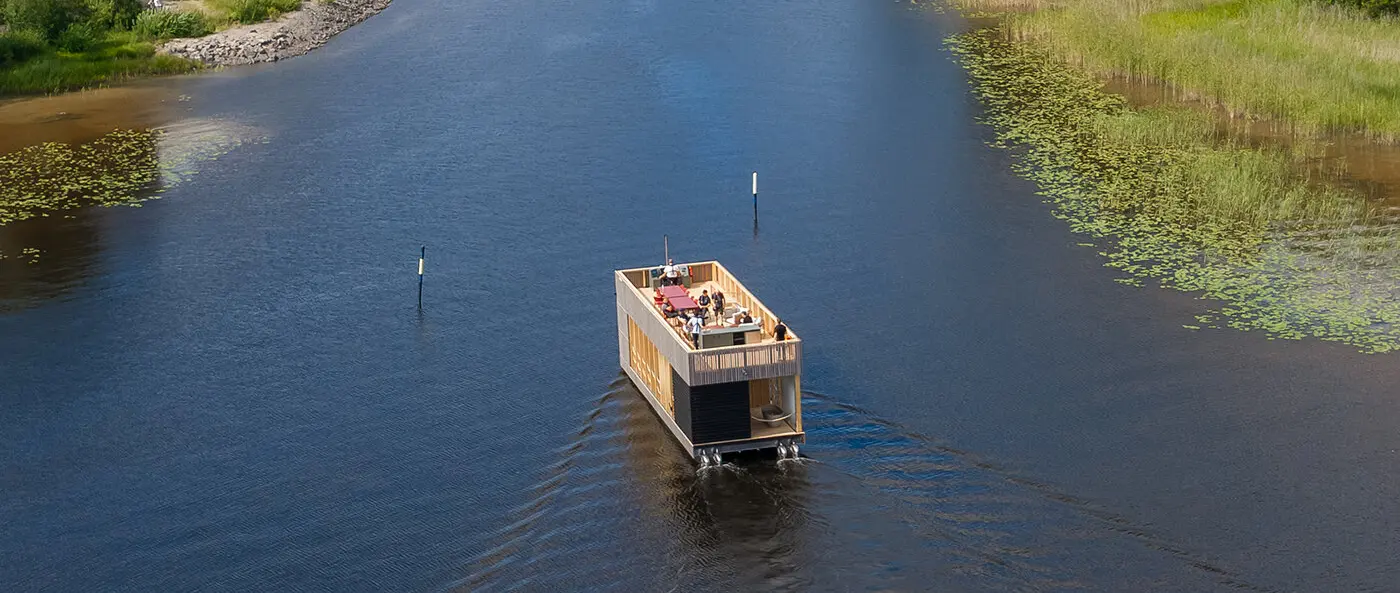
Yamaha Motor is supplying its HARMO electric boat-control system to a Finnish proof-of-concept project that combines hydrogen fuel-cell electricity with electric propulsion. The project is being developed with the Central Finland Mobility Foundation, or Cefmof, and uses hydrogen both to generate electricity for the boat and to provide heat for an onboard sauna.
Yamaha describes the programme as its first marine initiative combining hydrogen and electric power in this way with external partners. The project is explicitly experimental, with no current plan for commercial sales, but it gives the company a controlled environment in which to test how HARMO can operate inside a hydrogen-supported energy system.
HARMO integrates propulsion and steering
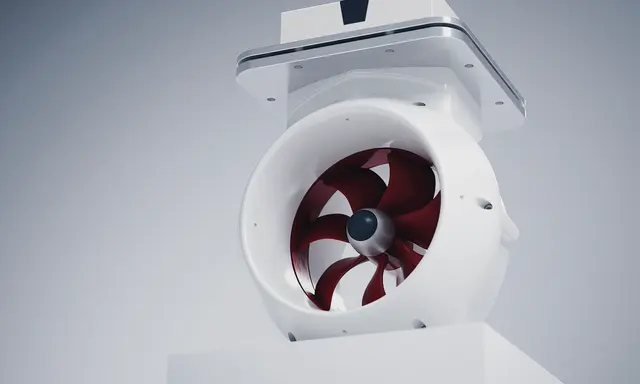
HARMO combines an electric propulsion unit with steering and associated controls rather than treating the motor as a standalone component. Its rim-drive architecture is designed to deliver strong low-speed thrust, low vibration and quiet operation, characteristics that are especially useful when manoeuvring in confined waters.
For yacht owners, an integrated control package can simplify the helm and reduce mechanical complexity compared with conventional shaft-and-rudder arrangements. The important question remains how efficiently the complete system works once batteries, charging and hotel loads are included.
Hydrogen supplies electrical energy for the trial
The Finnish project uses electricity generated from hydrogen fuel cells and cartridge-based hydrogen storage to power the HARMO units. That creates a hybrid energy chain in which hydrogen becomes the stored fuel while electric motors provide the final propulsion at the water.
The concept does not remove the practical challenges around hydrogen storage, distribution and certification. It does, however, allow Yamaha and its partners to examine real operating behaviour rather than relying solely on laboratory data.
A proof of concept avoids premature commercial claims
Yamaha is clear that the project is a proof of concept and that future commercialisation is not currently being considered. That distinction matters because experimental marine-energy projects often attract attention long before infrastructure, regulations and cost structures are ready for production use.
A limited trial can still be valuable if it produces reliable data on installation, efficiency and user experience. For the wider yacht industry, those findings can inform later decisions about where hydrogen makes sense and where battery-electric or conventional propulsion remains more practical.
The project fits Yamaha’s multi-pathway strategy
Yamaha says the programme forms part of a broader multi-pathway approach to reducing environmental impact, alongside electrification and research into other energy sources. The company is therefore exploring several routes rather than committing its marine future to one technology.
That approach reflects the diversity of leisure boats and yachts, which vary enormously in speed, range and energy demand. A propulsion solution that works for a low-speed craft may be unsuitable for a fast cruiser, so testing several pathways is likely to remain important as the market develops.