A new design leader as Windy develops its SR range
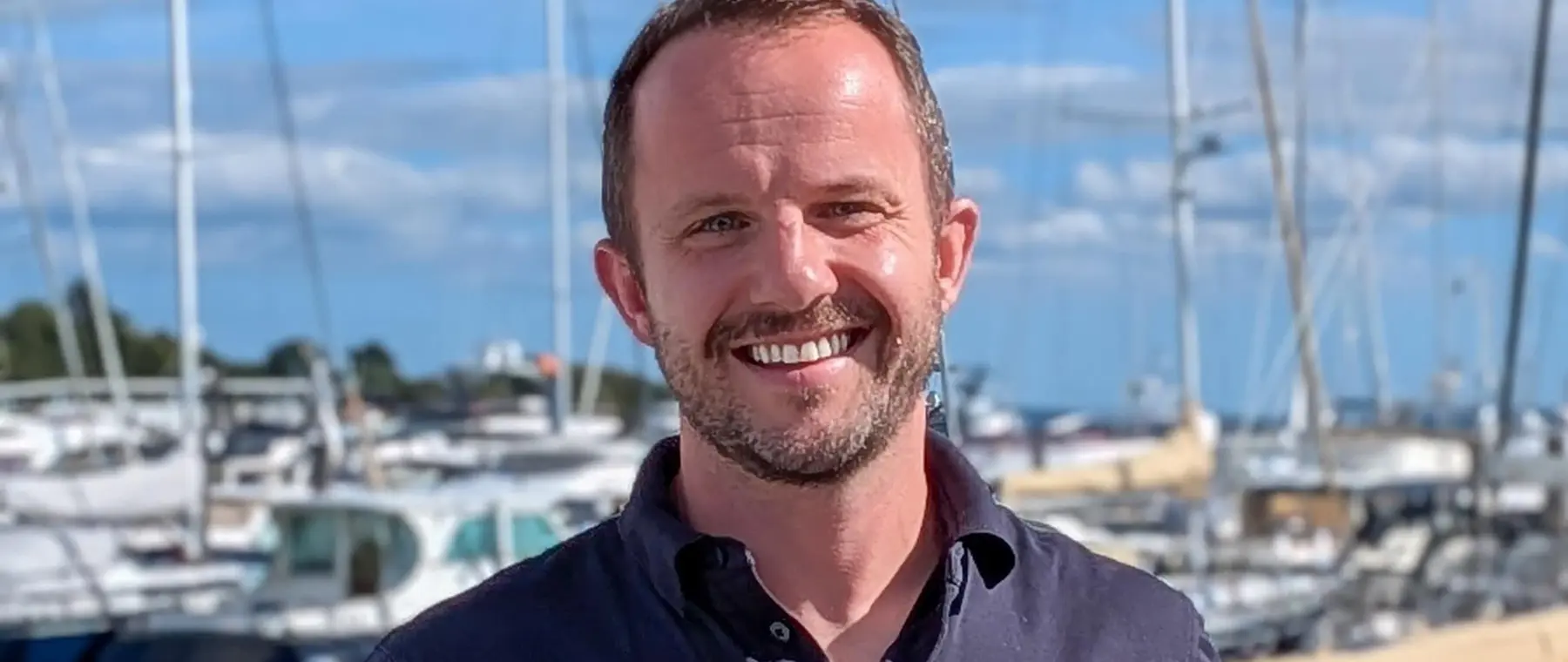
Swedish boatbuilder Windy Boats has appointed naval architect from Southampton David Jordan as design manager, in a move the company links directly to expansion of its SR portfolio. The announcement, published on 8 October 2026, says Jordan has joined the team in Sweden and will work under chief technology officer Jack Fenlon. Chief executive Trevor Fenlon welcomed the appointment as development begins on two further SR models.
This is an organisational milestone rather than a new yacht launch. Windy has not identified the two future projects by model name in the appointment notice, and it has not provided dimensions, production dates or specifications for them there. What is confirmed is a decision to strengthen design management while the established Scandinavian brand increases the scope of a range used by private boat owners and superyacht-support operators.
Jordan brings experience from two design environments
Windy describes Jordan as a naval architect from Southampton, England, with previous experience at Sunseeker International and Malcolm McKeon Yacht Design. Those backgrounds span the production-building environment and a design studio known for bespoke, high-performance yachting work. The appointment places that experience inside the shipyard's day-to-day design structure.
Past employers alone do not tell a buyer what a future boat will look like, but they help explain the skill set Windy appears to be seeking. A design manager must translate creative intent into workable engineering packages, communicate changes between disciplines and keep decisions consistent as a project moves from concept drawings toward tooling and build. The most useful outcome is not a signature style; it is a boat whose many systems have been designed as a coherent whole.
The reporting line links design and engineering
Under the arrangement announced by Windy, Jordan reports to chief technology officer Jack Fenlon. This places design management within a technical leadership structure rather than treating styling as a separate exercise. On a modern chase boat, the important interfaces include hull geometry, machinery selection, structural loads, deck ergonomics, onboard systems and the interior arrangements expected by an owner.
That integration matters because apparently minor changes can cascade through a project. Moving seating can affect storage and deck access; adjusting glazing may alter structural and climate-control requirements; changing propulsion can influence weight distribution, cooling arrangements and service space. Early and consistent design oversight can reduce the risk that such conflicts are discovered only after tooling is underway.
Windy says two additional SR models are starting
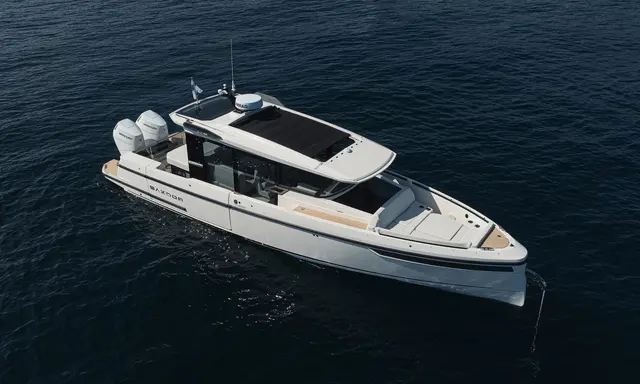
Trevor Fenlon's October announcement specifically refers to the start of two new SR projects. Windy has not disclosed their identity in the notice, so the statement should be read as a pipeline update, not as confirmation of the size, price, features or launch programme of either boat. The SR family currently spans several forms of high-performance day boat and tender, each serving a different owner brief.
For potential buyers, the most relevant implication is the prospect of further choice within the brand's chase-boat and leisure-boat offerings. However, placing an order requires more than a leadership announcement. Customers should wait for official model disclosures, approved specifications, performance information and a build contract before treating a future project as a deliverable yacht.
A Scandinavian builder with a wider reach
Windy marks six decades of Scandinavian boatbuilding in 2026 and says its Swedish operation employs 175 people. The company has invested in an expanding SR family while maintaining the emphasis on practical, fast and well-finished boats associated with its established name. Design leadership becomes more complex when a shipyard supports several models and increasingly bespoke customer requirements.
The SR division is particularly relevant to owners who use a powered boat as a companion to a larger yacht. Such craft need to operate independently, serve varied guest and crew requirements and retain predictable handling during repeated short passages. A good-looking exterior remains important, but reliable boarding, equipment access, seaworthiness and maintainability are the qualities that earn trust after the initial delivery.
The challenge of designing a useful chase boat
A chase boat can spend the morning moving passengers, the afternoon supporting watersports and the evening providing a swift route to shore. These different duties can demand conflicting deck layouts, storage arrangements and passenger protection. Naval architects and interior planners must therefore establish how the vessel will be used before selecting every social feature or equipment item.
Propulsion packaging is another key decision. An owner may value speed and range, but those specifications have consequences for tankage, service access, noise and balance. In a boat that might be towed or transported between cruising grounds, weight and lifting considerations can also matter. None of those priorities can be assessed from a press release alone; the appointment simply makes the case for strong design coordination as the range develops.
What the announcement does not establish
The October statement does not publish an engineering specification for the two planned SR additions or claim they are already under construction. It would be premature to assign them dimensions, a powertrain, delivery slots or a model-year timetable. Likewise, Jordan's appointment does not imply that he individually designed any previously announced vessel in the portfolio.
This distinction matters for trade buyers as well as consumers. A manufacturer can be advancing several design projects at different levels of readiness while continuing to deliver existing products. News of a personnel appointment is best evaluated as evidence of organisational investment, with future product milestones to be assessed separately when the builder releases documents that describe them.
Why design continuity matters to owners
Owners who stay with a brand across several boats usually value the details that become familiar: sensible control placement, clear deck movement, predictable service arrangements and a recognisable approach to materials. A growing model range should retain those strengths while responding to changing expectations. A design manager can help establish common technical principles without forcing every boat into the same layout.
Windy's October announcement provides a credible point from which to monitor its next SR developments. The company has named a design lead, stated a clear reporting relationship and acknowledged two additional projects. Until those designs are presented officially, the strongest conclusion is that the Swedish yard is investing in its ability to develop new boats with coordinated naval architecture and engineering.