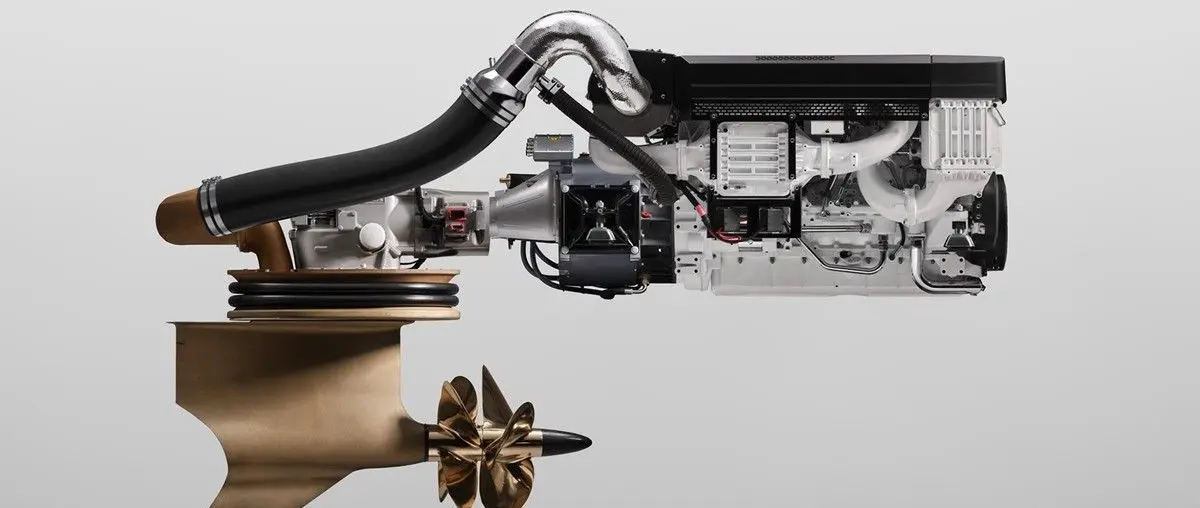
The system combines diesel and electric propulsion
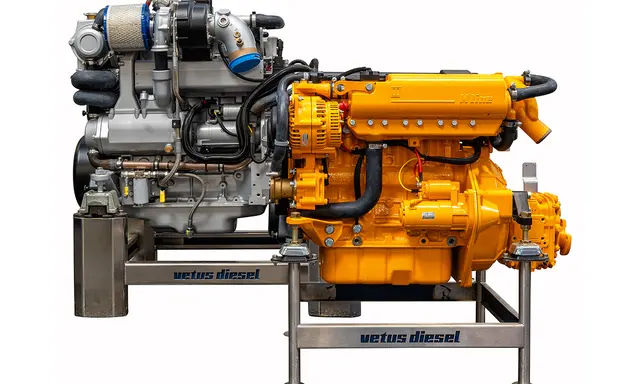
The D13 IPS Hybrid package integrates a conventional diesel engine with an electric motor and battery system rather than treating electrification as a separate add-on. Volvo Penta is developing the platform as a complete helm-to-propeller solution, with propulsion, power electronics and controls designed to operate together.
That integration can reduce the engineering burden on yacht builders because fewer interfaces need to be developed independently. It can also give owners a more consistent operating experience if propulsion mode changes, charging and energy management are all handled within one control architecture.
Electric operation targets quieter low-speed cruising
A hybrid yacht can use electric propulsion in situations where silence and low local emissions are particularly valuable, such as leaving a marina, approaching an anchorage or moving slowly through environmentally sensitive areas. The diesel engine remains available for longer passages and higher continuous power requirements.
For luxury-yacht owners, reduced vibration and noise can be as important as fuel savings. Quiet manoeuvring and low-speed operation can improve comfort on deck and in accommodation spaces while also reducing disturbance in busy harbours and secluded anchorages.
IPS remains at the centre of the package
Volvo Penta is building the hybrid system around its established IPS pod-drive concept, which combines forward-facing propellers, joystick manoeuvring and integrated steering. The new architecture adds electrification while retaining the handling characteristics and installation philosophy familiar to builders already using IPS.
That continuity could make adoption easier for yards with existing IPS experience because the hybrid package does not require a completely unfamiliar propulsion layout. Service networks and owner familiarity with joystick operation may also support the transition to the new system.
Integrated energy management is part of the ownership proposition
The package includes battery and energy-management functions intended to coordinate propulsion and onboard electrical demands. Volvo Penta says the objective is not only lower-emission operation but also simplified installation, ownership and design for yacht builders and customers.
The practical success of hybrid propulsion depends on how well software manages the different power sources in real use. Owners will expect the system to decide when electric operation is efficient, when the diesel engines should run and how battery capacity should be preserved without adding unnecessary complexity at the helm.
Official sources: www.volvopenta.com.