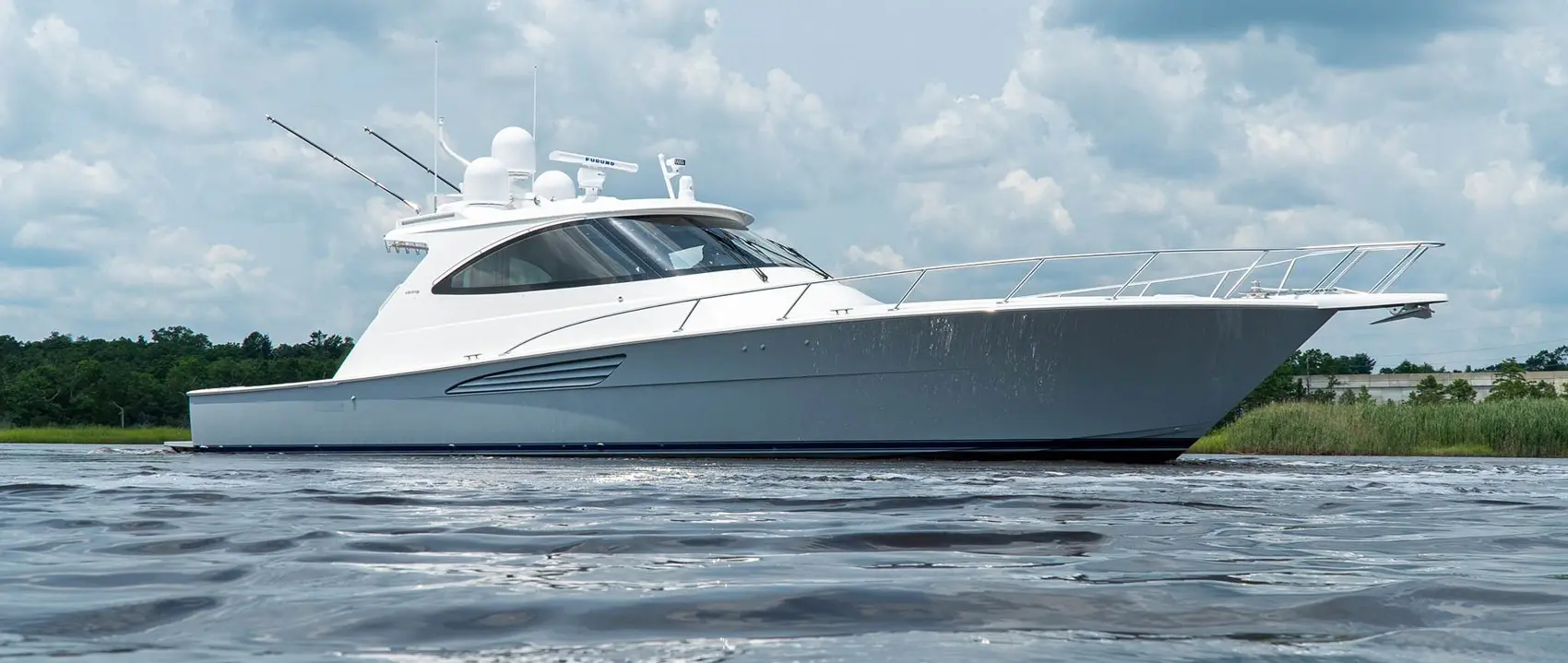
An express yacht with a different priority
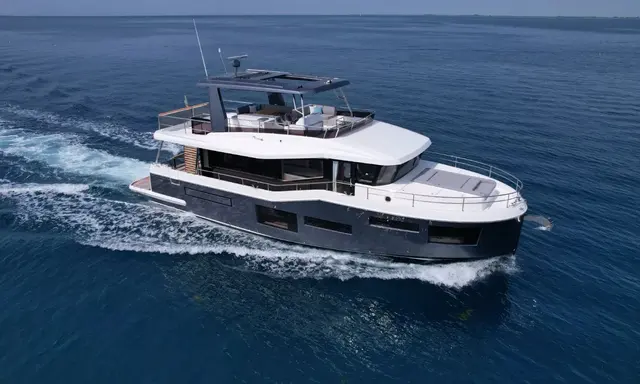
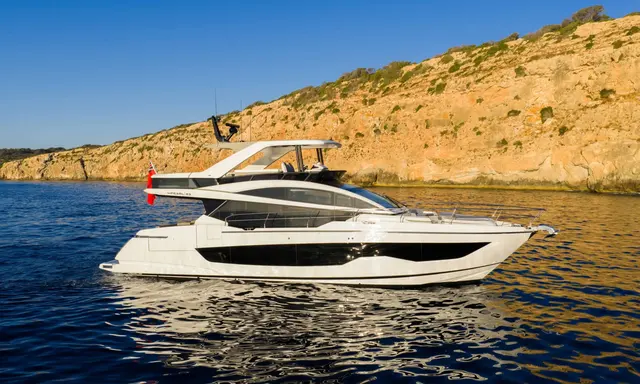
The Viking 54 family offers several ways to use a common offshore platform, which makes the Sport Coupe an interesting alternative to a conventional flybridge motor yacht. The Sport Coupe puts its emphasis on a protective superstructure and command-deck arrangement while retaining the purposeful lines of the Viking offshore range. It should appeal to buyers who value fast travel and all-weather operating comfort but do not necessarily want the full vertical separation of a larger multi-deck yacht.
Viking says the 54 Sport Coupe joins the 54 Convertible, Open and Sport Tower models, using a related hull with different arrangements above deck. That breadth gives owners genuine choice about protection, access and the balance between angling and social use. A family spending weekends offshore may evaluate the cockpit and interior differently from a crew that is primarily interested in game-fishing performance. The correct configuration is a matter of operating habits rather than simple prestige.
The builder emphasises its in-house engineering and CNC manufacturing processes in describing the family. These claims are relevant insofar as components and deck structures must integrate correctly with the existing hull. For a buyer, the more useful practical tests concern visibility, noise at cruising speed, the handling of spray and the accessibility of machinery. Those are aspects that require a sea trial rather than inference from the brochure.
The significance of the official measurements
At 54 feet 6 inches, or 16.61 metres, the Sport Coupe is wider than many European cruisers of a similar length. Viking publishes a beam of 17 feet 8 inches, equivalent to 5.38 metres, and a draft of approximately 1.47 metres. Such dimensions help explain the stable-looking deck footprint and substantial interior, while also requiring attention to marina berth width and the depth available in favourite cruising grounds.
The company quotes an approximate gross weight of 70,230 pounds, or 31,856 kilograms, under its stated loading assumptions. That level of displacement affects how an owner should approach mooring, lines, fenders and maintenance provision. Although the boat belongs to a size bracket often marketed to owner-operators, mass and windage remain real factors. Competent handling, particularly near fixed structures, matters more than any marketing description of ease.
Published tanks include 1,486 US gallons of fuel and 198 US gallons of water. This is an unusually clear indication of the boat's offshore intent, but raw tank volume must not be mistaken for a verified passage range. The actual distance possible between refuelling stops depends on engine fit, speed, sea state, reserve policy and the load aboard. Owners should ask for consumption curves at realistic cruise settings before building a long-distance itinerary around brochure capacity.
MAN V12 engines and the offshore brief
Viking lists MAN V12 1400CRM engines as its standard power and MAN V12 1550CRM as an option for the 54 Sport Coupe. Those are substantial installations for an express cruiser and suggest that sustained offshore performance is a central part of the design. Performance with either arrangement still needs to be judged under comparable loading and sea conditions. A higher nominal rating is not automatically the best choice for every cruising programme.
Engine-room access and routine service tasks deserve particular scrutiny on a high-powered twin-diesel yacht. Filters, cooling systems, shaft or running-gear inspections, and reliable access to controls can influence ownership costs and time away from the dock. A buyer should review the maintenance schedule with a qualified technician and understand local service support for the chosen engines. This is especially important for an owner intending to cruise far from a regular home marina.
The hull's offshore association does not mean every journey must involve sportfishing or high-speed travel. On quieter weekends, the protected command deck and comfortable interior can be just as valuable as the power available below. The boat's versatility is a credible advantage when an owner has changing plans, but deck use, fishing hardware and accommodation should be selected for the activities that will genuinely dominate the season.
Looking closely at the deck and accommodation
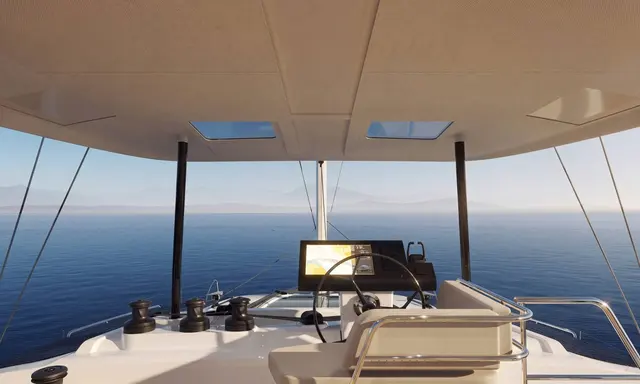
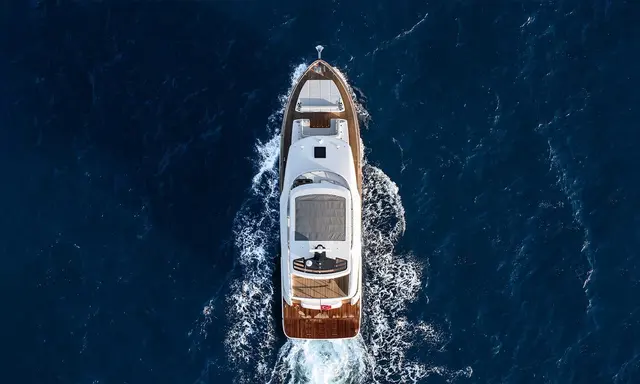
Sport Coupe buyers should start with the cockpit and the flow into the covered command area. The two spaces serve different needs: the cockpit can support fishing, swimming preparation or outdoor entertaining, while the sheltered zone provides a more dependable operating base when the weather shifts. Examine whether there is comfortable seating for non-driving guests with sightlines that allow them to participate in the passage rather than being isolated from it.
Below, the accommodation and storage arrangement should be assessed for real travel rather than a quick tour. A weekend offshore involves wet equipment, food supplies, emergency gear and somewhere to stow bags without blocking passages. Viking offers different layouts across the broader 54 family, so it is important to review the plans for the precise Sport Coupe configuration under consideration rather than borrow assumptions from the Convertible.
The 54 Sport Coupe presents a distinct American interpretation of a mid-size luxury yacht: substantial beam, high-output diesel machinery and an emphasis on reliable offshore capability. It invites owners to combine purposeful boating with the comforts of an enclosed express layout. Whether it is the right choice will become clear through a sea trial, a practical inspection of technical access and a candid discussion of the trips its next owner will actually make.