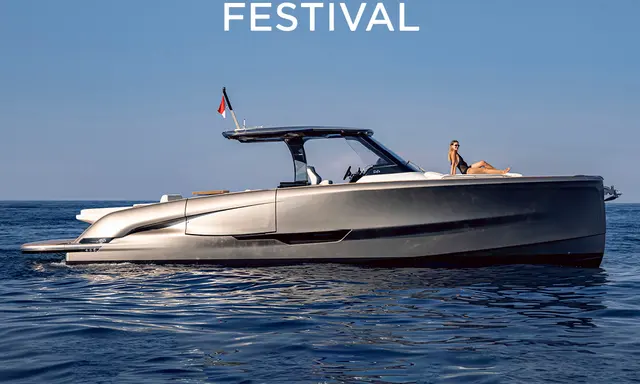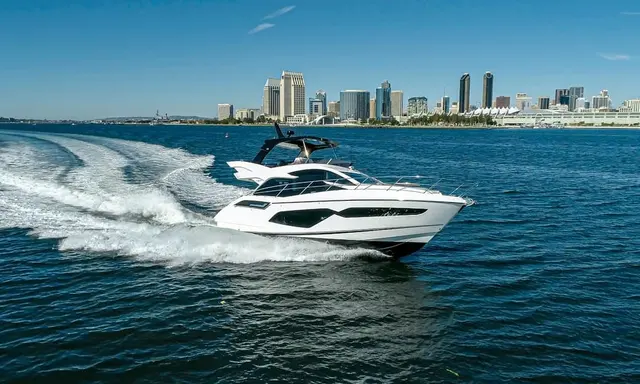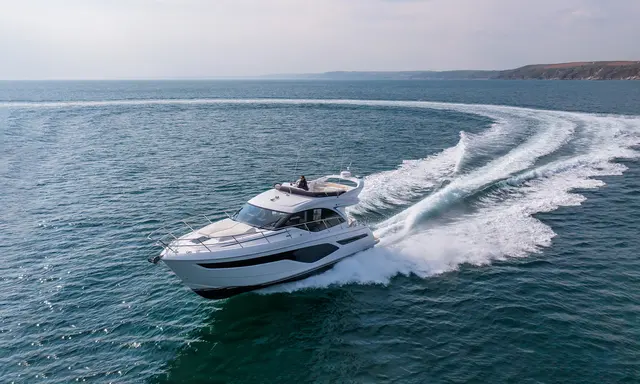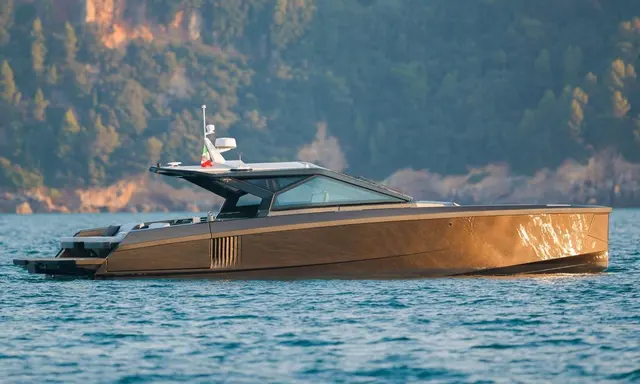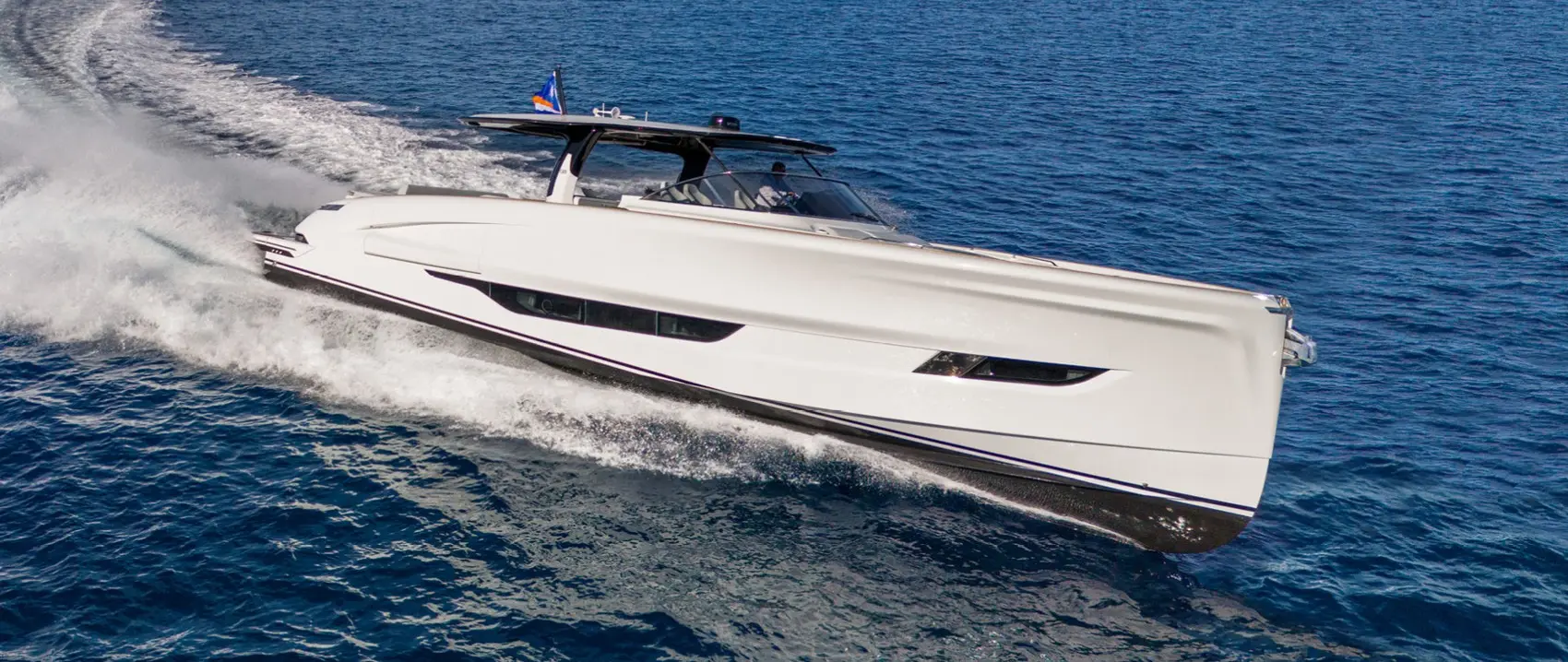
A large open boat with cruising ambitions
Open motor yachts ask owners to make a compromise between exposure to the sea and the comforts expected from a longer-range cruising platform. The 60 Open makes that compromise at a substantial scale, using its 18.29-metre length and 5.35-metre beam to support large open-air areas without abandoning proper sleeping accommodation. It is a very different proposition from a compact dayboat, both in ownership demands and in the opportunities it offers for overnight journeys.
The design is attributed by Solaris Power to Brunello Acampora and the Victory Design team working with the company's own design department, with Roseo Design responsible for interiors. That combined effort is reflected in a vessel whose exterior profile and interior planning need to feel part of one coherent experience. A broad cockpit may be attractive in a marina, but access, shade, engine-room integration and usable circulation determine how it performs during a longer trip.
For buyers, the key question is not whether the boat can entertain guests or provide cabins; it is how comfortably it does both on the same weekend. A multi-day itinerary involves luggage, galley provisions, overnight ventilation and reliable weather protection, all of which may receive less attention than deck cushions at a boat show. The official arrangement provides a foundation for assessment, but a proper viewing and trial remain essential.
IPS propulsion and published performance
Solaris Power lists twin Volvo Penta IPS 800 diesels as standard, each rated at 600 horsepower. It also publishes IPS 950 and IPS 1350 alternatives, with the latter carrying substantially higher individual power. The builder's figures show a spread of maximum speeds from 30 knots with the standard arrangement to 39 knots with the highest-power option, while stated cruising speeds vary from 25 to 30 knots depending on installation.
These numbers should be read as manufacturer specifications, not promises that every loaded boat will duplicate a particular trial. Fuel load, hull condition, weather, propeller selection and onboard equipment all influence the result. Buyers planning frequent longer legs should ask for consumption and range data at realistic cruising speeds as well as an explanation of the maintenance requirements for the selected IPS package.
IPS propulsion is relevant to manoeuvring as well as speed because the drive installation changes the character of the yacht compared with a traditional straight-shaft arrangement. That does not remove the need for skills or careful approach planning in a tight marina. Prospective owners should trial both open-water handling and low-speed docking, and ensure anyone who will operate the vessel is comfortable with the controls and emergency procedures.
The practical meaning of the dimensions
The published 1.65-metre draft places the Solaris in the category of substantial offshore motor cruisers rather than shallow-draft small craft. Harbour choice, mooring depth and tidal restrictions therefore require the same attention as any similarly sized motor yacht. Its breadth helps deliver appealing deck proportions, but a wide beam can also influence berth availability and fees. Owners should work through their actual home-marina arrangements before treating the vessel as an effortless upgrade.
Solaris Power quotes an approximately 23-tonne light displacement and around 26.5 tonnes loaded. Those figures make the yacht's scale clear and reinforce the importance of docking systems, crew routines and planned maintenance. A large open vessel may look visually simple, yet its technical operating environment remains sophisticated. Proper documentation and repeatable checks will contribute more to relaxed ownership than any single electronic feature.
The listed 3,000-litre fuel capacity and 600-litre fresh-water capacity indicate the potential for trips beyond a quick afternoon circuit. Capacity is not range, however. Actual endurance depends on speed, weather, engine configuration and reserves, while the number of people aboard affects water consumption. Rather than extrapolating an unsupported cruising radius, owners should request factory test data matched to their intended specification.
Living with the 60 Open
Two- and three-cabin interior alternatives broaden the appeal for couples, families and groups, but the suitability of each depends on berth sizes, storage and access. A buyer who normally cruises with a partner may value a different layout from someone expecting three couples aboard. The 60 Open is rated for up to twelve persons in the builder's published specification, a day-capacity figure that must not be confused with the number who can sleep privately and comfortably.
On deck, an open architecture brings guests close to the sea, encouraging swimming, dining and socialising rather than isolating everyone indoors. It also makes shade, handholds and movement through the boat important operational details. In bright Mediterranean conditions, the ability to create comfortable shaded seating can be as decisive as the shape of a sunpad. Families should inspect transitions between deck levels and access to the water before placing an order.
The Solaris Power 60 Open is best evaluated as a complete operating package: enjoyable outdoor space, meaningful overnight comfort and a selection of IPS propulsion options. Its official numbers support serious cruising ambitions, but suitability is determined by the owner's actual routes and habits. A thorough sea trial, accurate marina planning and a careful review of build specification will reveal whether this expansive open yacht matches the life expected of it.