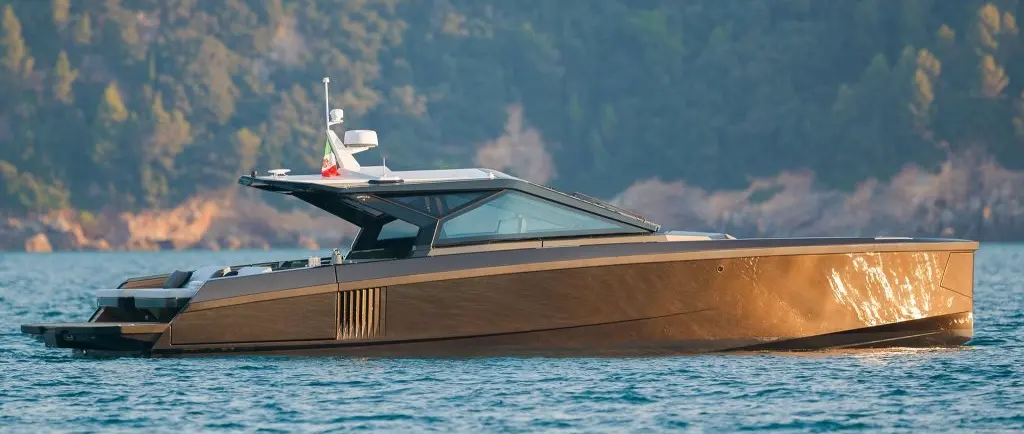
A dayboat that can do more than one job
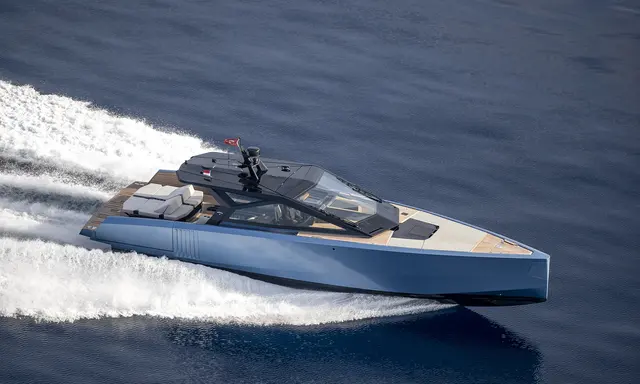
The wallypower50 combines the architectural clarity associated with Wally's powerboat range with practical ideas from its open tender models. The builder says the design can serve as a chase boat, standalone day cruiser, weekender or support vessel. That breadth is appealing because many owners find their use changes through a season. A boat that supports family swimming one weekend may need to ferry guests and equipment to a larger yacht the next.
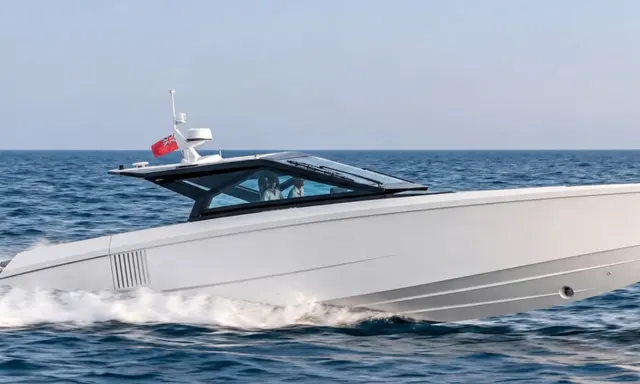
Its 14.6-metre overall length and 4.3-metre beam place it in a manageable but still substantial size bracket. The angular windscreen and glass-and-carbon cockpit dome are important visual cues, making the boat unmistakably part of the brand. Yet the question for an owner is whether the distinctive profile brings practical visibility, protection and access under changing conditions. A bold silhouette has to work on an ordinary windy passage as well as at a marina.
The design traces back to a 2024 public debut, so this is an examination of the established model rather than a claim of a brand-new launch. The official material remains useful for assessing the boat's operating concept today, particularly for buyers comparing hybrid tender-weekenders against more traditional open cruisers. A specific vessel's year, engine hours and equipment should be verified separately if the interest is in an available example.
Folding bulwarks and an adaptable cockpit
Drop-down wings along the aft deck add approximately six square metres of usable platform when deployed, according to Wally. That changes how the boat is enjoyed at anchor: guests gain a broader, more open relationship with the water without the vessel carrying a permanently oversized beam. Owners will want to inspect the operating sequence, locking provisions and maintenance arrangements for these moving structures. They are valuable features only when they remain reliable and straightforward to use.
The aft area uses two separate sunbeds with a walkway between them, helping guests move towards the bathing platform rather than climb over seating. Inside the cockpit, modular furniture can form a dining setting for eight, with additional forward-facing places described in the manufacturer presentation. The flexibility makes the vessel more adaptable than a fixed bench-and-table layout, although users should consider how furniture is secured for travel and where loose items can be stored.
These design choices are especially relevant to a boat intended to spend afternoons with swimmers in the water. Non-slip surfaces, boarding ladders, rail positions and easy access to the stern all deserve inspection. A luxurious open deck can be a delight when conditions are calm, but safe movement in a slight chop is the better test of an effective layout. The purpose of convertible space is to improve real use, not simply expand a brochure measurement.
Twin IPS power and a credible cruising pace
Wally lists twin Volvo Penta IPS650 propulsion, with a published maximum speed of 36 knots and cruising speed around 30 knots. It also quotes a cruising range of approximately 280 nautical miles under its stated specification. These are manufacturer figures, and actual performance will depend on conditions, loading and the particular engine installation. Buyers should use them as reference points for a properly conducted sea trial rather than treat them as a guarantee.
The official measurements include a draft of approximately 1.3 metres, a light displacement around 12.9 tonnes and a loaded figure of about 16.6 tonnes. That gives the wallypower50 more substance than its clean open profile might initially suggest. Owners need to plan for suitable mooring arrangements and docking practice, especially because an attractive fold-out deck still folds back to an operating beam that requires care alongside other vessels.
Fuel capacity is listed at 1,400 litres and freshwater at 240 litres. Those numbers fit a fast dayboat with occasional overnight use more naturally than an extended-range displacement cruiser. Range planning should leave sensible reserves and account for speed selection, while fresh-water consumption can rise quickly with repeated showers after swimming. Understanding the boat's intended duration away from services helps prevent the design's flexibility from being mistaken for unlimited endurance.
A cabin intended for short stays
Below deck, the builder describes a comfortable double cabin, bathroom and adaptable additional space. That is a sensible response to the boat's primary open-deck identity: a couple can remain aboard after a long day without requiring the accommodation volume of a larger family cruiser. Buyers expecting several adults to sleep privately should examine the actual plan rather than assume the day-passenger seating capacity is an overnight specification.
Wally's distinctive Magic Portholes and carefully treated interior surfaces are part of the model's visual identity, but privacy, ventilation and storage are the aspects that matter most during an overnight stay. A short sea trial is unlikely to reveal how comfortable a cabin will feel at anchor in warm weather. Prospective owners should check airflow, climate-control options, noise and the ability to stow belongings without obstructing movement through the boat.
The wallypower50 makes a compelling case for a versatile owner-operated yacht that prioritises open-air enjoyment and fast coastal travel. Its strongest ideas are practical as well as visual: a convertible aft deck, modular cockpit and meaningful accommodation for two. For buyers who need an everyday family cruiser or a smart support craft, the model rewards close inspection. Its suitability will be decided by use patterns rather than by the speed figure alone.