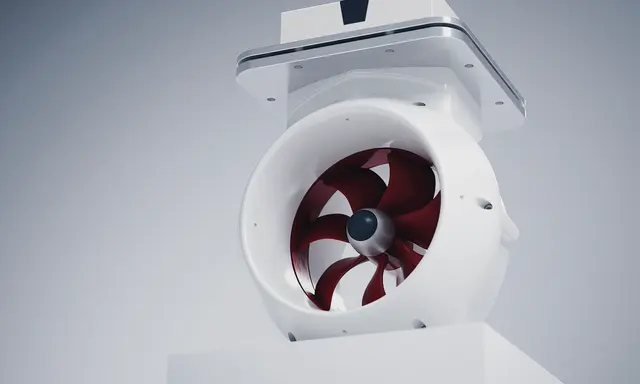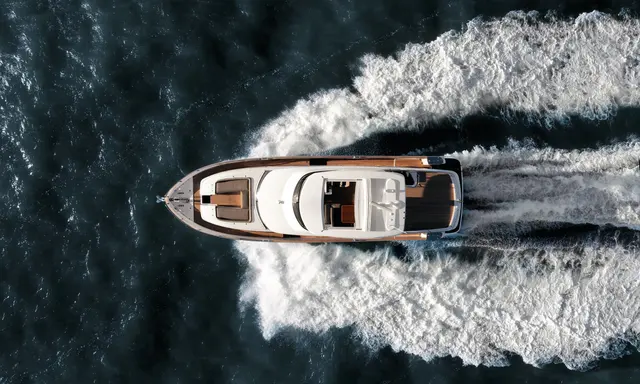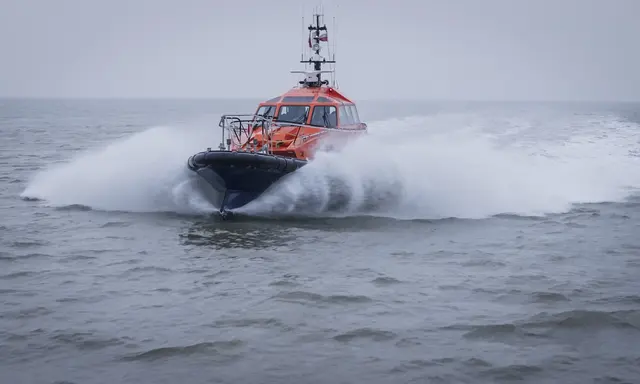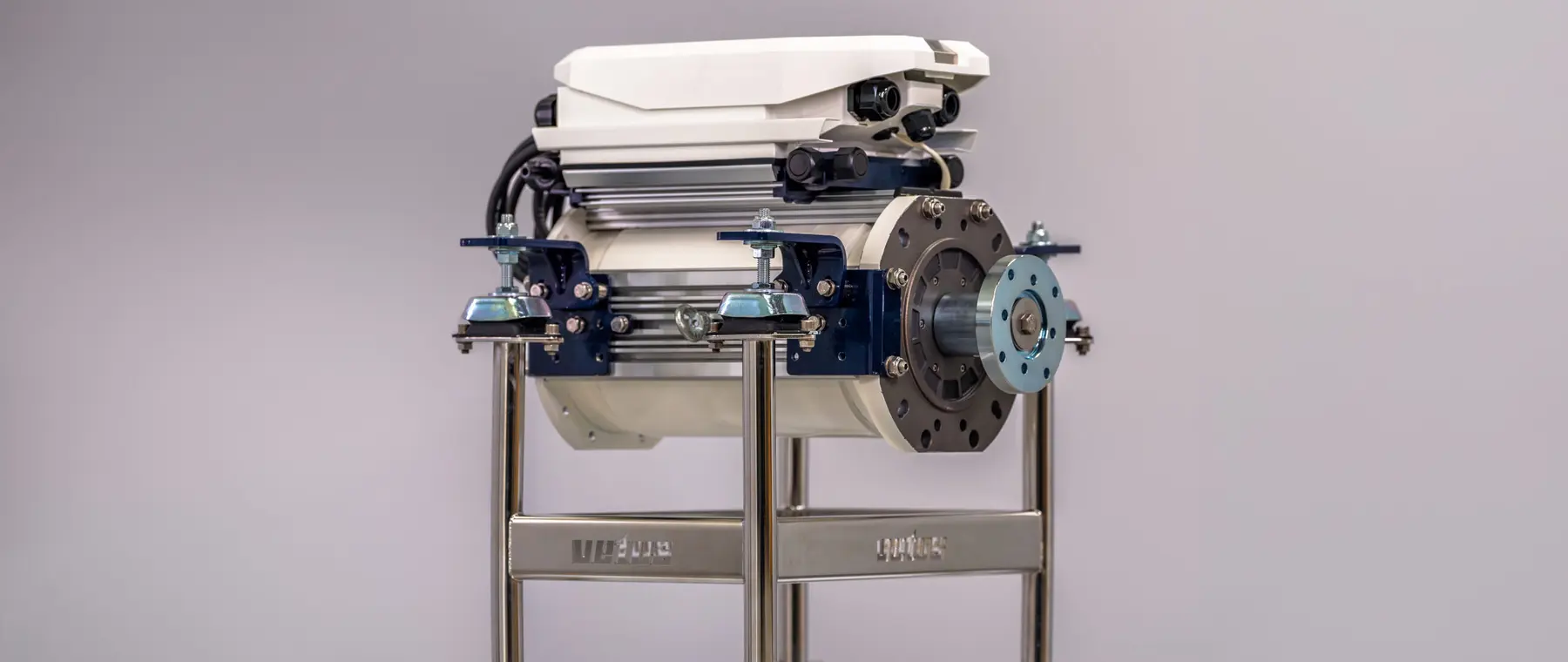
VETUS has introduced a 22kW version of its E-LINE electric propulsion system, giving the range its highest output to date. The motor is rated at up to 130Nm of torque for responsive low-speed and harbour manoeuvring.
The launch also brings updated range-management technology and Sailing Assist firmware intended to make acceleration, cruising and emergency stopping more predictable. VETUS positions the package for both new installations and selected repower projects.
More torque widens the application range
Electric propulsion delivers torque differently from a small diesel, and the 130Nm figure is intended to provide immediate response from low speed. This can be useful when manoeuvring in wind or pushing a heavier displacement hull.
Matching the motor to propeller, reduction ratio and hull remains essential because output alone does not determine real range or performance. Propulsive efficiency becomes especially important when every kilowatt-hour is carried onboard in batteries.
Software becomes part of propulsion
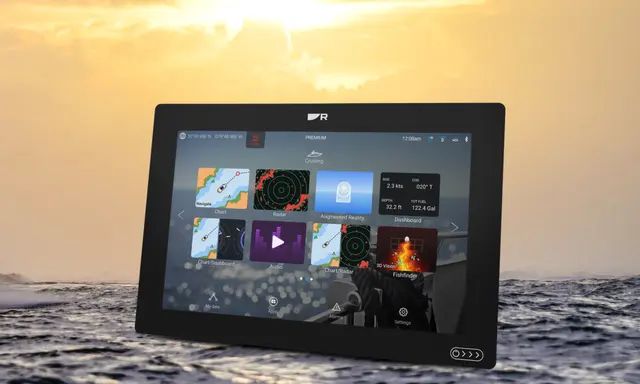
VETUS says the latest control software is designed to help owners make better use of the available battery bank. Sailing Assist also manages acceleration and cruising behaviour rather than leaving all response to throttle position alone.
This reflects a wider change in electric propulsion, where software increasingly controls how power is delivered and how much range remains. Clear range estimates can make an electric yacht easier to operate confidently.
The package is designed to be modular
The E-LINE 22kW is supplied as a largely complete system, with installers choosing the control lever and either keel or freshwater cooling to suit the boat. VETUS says the motor can be mounted on many existing engine foundations.
That could make the package relevant to selected refits as well as new builds, although battery placement and charging hardware can be more difficult than the motor swap itself. Weight distribution also needs to be checked carefully.
Battery strategy remains decisive
The motor is only one part of the installation because battery capacity, charging sources and cruising pattern determine practical endurance. Shore-power availability and the owner’s normal passage length can make the same propulsion package suitable for one yacht and impractical for another.
Electric-only zones and quiet running strengthen the case for battery propulsion in some cruising areas. Buyers should nevertheless assess the complete energy system rather than choosing from motor rating alone.