HVO can replace conventional diesel in approved engines
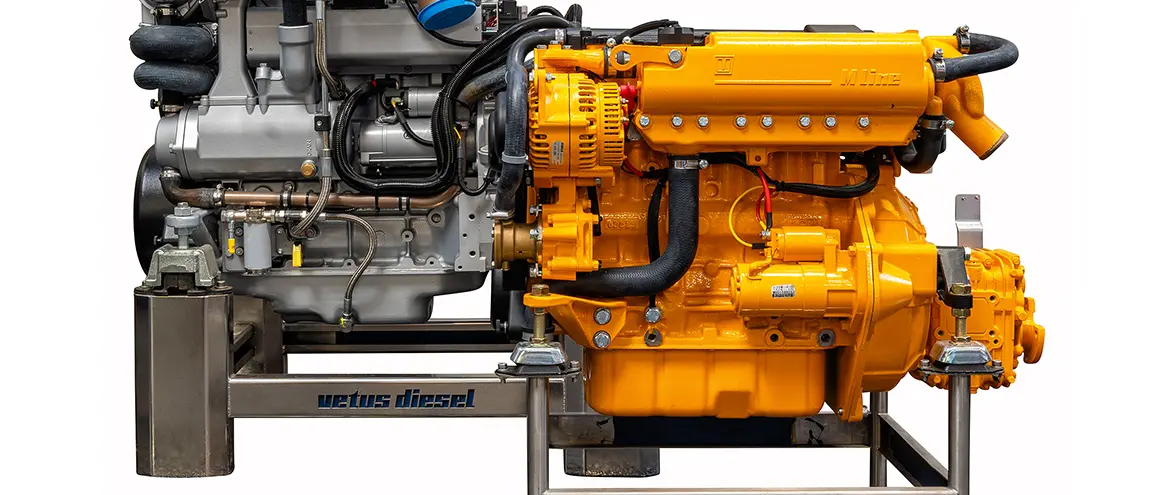
Hydrotreated Vegetable Oil is a diesel-like fuel produced from renewable lipid sources including vegetable oils, animal fats and used cooking oils. VETUS says its approval means owners of compatible D- and M-Line engines can use HVO as an alternative to conventional mineral diesel.
For yacht owners, the practical attraction is that HVO can be used as a drop-in fuel where supply is available. That allows operators to reduce lifecycle emissions without installing a completely different propulsion system or making structural changes to the yacht.
Bench and field testing supported the certification
VETUS says the approval followed an intensive programme of bench and field tests. Marine engines operate under very different load cycles from road vehicles, so compatibility needs to be demonstrated across starting, cruising, high-load operation and longer periods of use.
The testing is intended to give owners and boatbuilders confidence that fuel-system materials, combustion behaviour and engine performance remain within the manufacturer’s requirements when HVO is used. It also gives installers a clearer manufacturer-backed basis for recommending the fuel to customers.
The fuel can reduce several exhaust emissions
VETUS says HVO can substantially reduce lifecycle carbon emissions and can also burn more cleanly than conventional mineral diesel. The fuel typically contains very low sulphur and aromatic content and can produce lower particulate and other exhaust emissions depending on the engine and operating conditions.
Actual environmental benefits vary according to the feedstock, production pathway, transport and how the fuel is accounted for over its lifecycle. Even so, renewable diesel gives owners a near-term option for reducing the fossil content of yacht operation while retaining existing diesel technology.
The approval adds another transition route for yacht propulsion
The leisure-yacht sector is currently developing several lower-emission approaches, including battery-electric systems, hybrid propulsion, renewable fuels and more efficient conventional engines. HVO sits among the least disruptive options because it can work with existing approved diesel platforms.
For LYG owners, that matters because many 12-to-under-24-metre yachts remain dependent on diesel for range, refuelling speed and energy density. Manufacturer approval makes it easier to adopt renewable fuel where local availability and pricing make it practical.
Official sources: vetus.com.