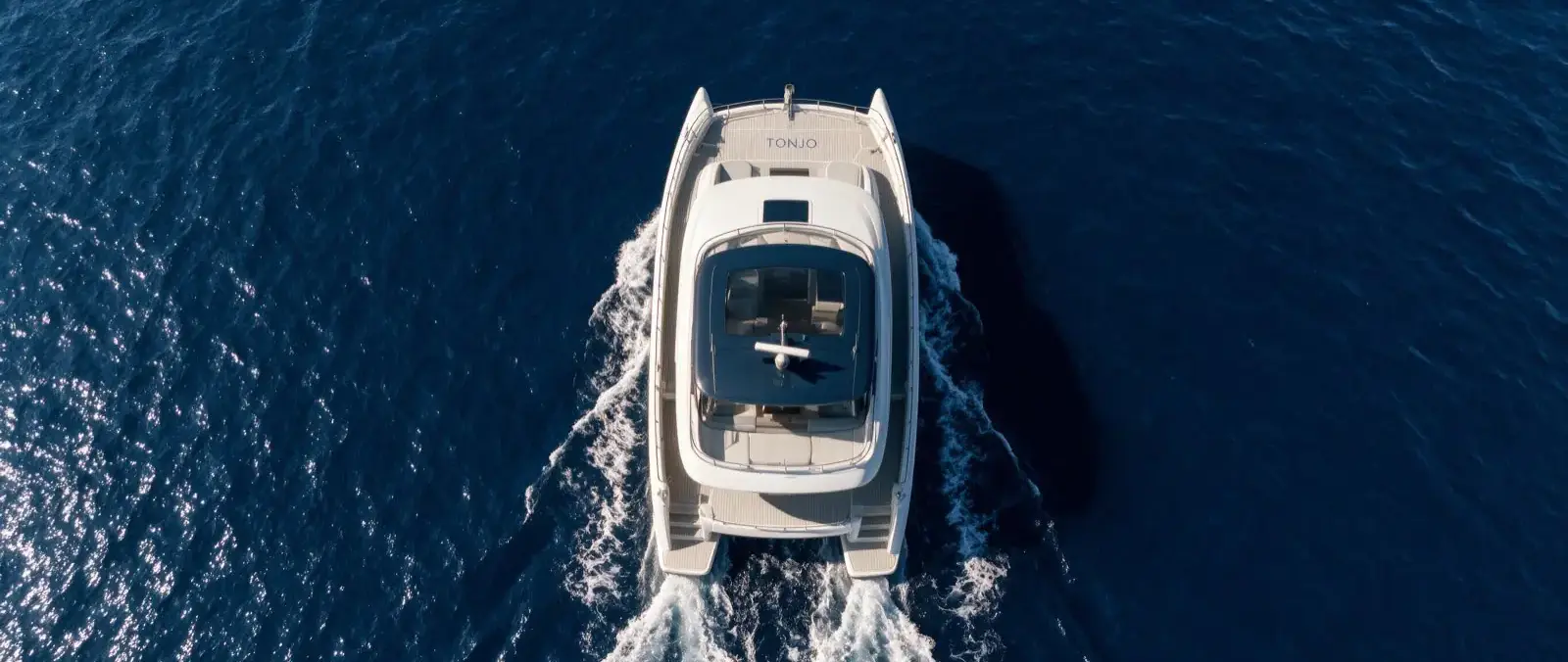
Shanghai-based TONJO says more than 500 units of its marine-intelligence platform have been contracted, representing more than RMB100 million in orders, with first deliveries scheduled during 2026. The company is positioning the system as an AI domain-control layer that brings smart cockpit, navigation and active-safety functions into one architecture.
The proposition is broader than replacing conventional helm switches with a touchscreen. TONJO is combining vessel controls, voice interaction, navigation data, sensing and safety functions in an attempt to reduce the number of separate interfaces a yacht owner or skipper has to manage.
One platform connects three onboard systems
TONJO describes its architecture around three main areas: smart cockpit, smart navigation and active safety. The intention is to share data between those areas rather than leaving lighting, climate, navigation and safety tools as isolated systems.
A common control layer can reduce duplicated hardware and make information easier to access, but it also places more responsibility on software reliability and network design. Builders considering this type of integration need clear fallback modes so essential yacht functions remain available if a display, network or controller fails.
Voice and touch are central to the cockpit concept
The smart-cockpit system is designed to replace large numbers of scattered physical switches with a central interface for lighting, climate, audio and cabin functions. TONJO also promotes offline and cloud-based voice interaction, allowing owners to issue commands even when normal internet connectivity is unavailable.
Voice control can be useful when a skipper’s hands are occupied, but marine environments are noisy and commands must be predictable. The practical value will depend on recognition accuracy, language support and how conservatively safety-critical functions are exposed to voice control.
Navigation and sensing move toward active assistance
TONJO’s navigation proposition combines vessel data with 360-degree sensing and multi-source perception, while the company also describes collision-warning and assisted-docking capabilities. These systems reflect a broader shift toward automotive-style driver assistance at the helm rather than fully autonomous navigation.
For yacht owners, the distinction is important because assistance can reduce workload without removing the skipper’s responsibility. Reliable sensor calibration, chart quality and clear warnings will matter more than headline AI terminology once the system is installed on production boats.
First deliveries will test the platform at scale
TONJO says first deliveries are planned in 2026, making the contracted order figure especially significant because the platform will move quickly from demonstration into real customer use. The company’s next challenge is therefore not simply winning orders but supporting installations across different hulls, electrical systems and helm layouts.
If the platform performs consistently, it could become part of a wider move toward domain-controlled yachts in which software coordinates several onboard systems. The strongest evidence will come from builders and owners after the first production fleet accumulates meaningful operating hours.