Luxury Yacht Guide News | 21 November 2026
A historic yacht returns with different engineering
French composites specialist Sicomin has described how its bio-based GreenPoxy 550 epoxy resin was used in the construction of a replacement wooden mast for Tuiga, the 1909 Fife-designed yacht associated with the Yacht Club de Monaco. The manufacturer's 2 November 2026 case study explains that a hollow, tapered spar made from Alaskan spruce replaced the earlier solid construction, reducing weight aloft by approximately 300 kilograms. The new mast is around 27 metres long and was built at the specialist workshop of Gilbert Pasqui in Villefranche-sur-Mer. Tuiga is a 15-Metre Class yacht, a historical measurement-rule designation that should not be confused with its physical overall length. Although the restoration involves an exceptional classic racing vessel, the material and construction questions are relevant to owners of other substantial luxury sailing yachts: how do you improve reliability and reduce load without altering the character of an established design?
The event that forced the project
Tuiga lost her original mast during a regatta off Menorca in August 2025, creating the need for a significant restoration. According to Sicomin, the replacement programme enabled the yacht to return to sailing about six months later. A mast failure is a serious event because it can damage the vessel, endanger crew and affect the integrity of surrounding rigging and deck structures. The case study does not supply enough information to determine the cause of the original failure, so no conclusion should be drawn about the earlier materials or maintenance. What it does document is the approach taken when a new spar was required. The team had an opportunity to preserve the yacht's historic appearance while reconsidering the internal design and weight of the structure. That balance is central to responsible restoration of important classic yachts.
Why 300 kilograms aloft matters
Weight near the top of a mast influences how a sailing yacht behaves. Reducing a substantial mass high above the deck can improve the distribution of weight and reduce the forces involved in rolling and pitching. The exact effect depends on the position of the original weight, the overall design of the rig and hull, and the operating conditions. A quoted 300-kilogram reduction is therefore meaningful but not enough to calculate a universal performance improvement. Sicomin describes the new spar as designed to maintain Tuiga's distinctive silhouette while changing its construction. For owners of other classic yachts, this illustrates a broader point: a restoration can preserve the visual identity of a vessel without requiring every hidden component to be identical to the earlier structure. Structural evidence and responsible documentation remain essential.
A hollow, tapered structure in spruce
Gilbert Pasqui's team chose Alaskan spruce rather than reconstructing the earlier approach in heavier Oregon pine or Douglas fir. The replacement uses carefully machined longitudinal sections bonded into a hollow, tapered form. Producing a spar this way introduces manufacturing challenges. Every section must be prepared accurately, the surfaces must bond consistently and the geometry must remain controlled over a considerable length. A flaw in the adhesive line or an unexpected variation in the timber could have consequences when the mast is loaded under sail. The skill lies in coordinating the material selection, machining and bonding process so that the assembled structure behaves as intended. It is not simply a matter of choosing a lighter wood. A mast of this scale is a piece of engineering that must work under cyclic loads, weather exposure and the considerable forces transmitted by the rig.
The role of GreenPoxy 550
Sicomin's case study identifies its SR GreenPoxy 550 as the structural adhesive system used in the new mast. The company explains that the workshop had previously employed its SR 5500 products and chose the bio-based alternative for this project. A bio-based formulation may reduce dependence on certain fossil-derived inputs, but that alone does not establish that the entire restoration has a particular quantified environmental benefit. Performance, durability and appropriate processing remain fundamental. The company says the selected resin can provide reliable wood bonding under demanding conditions. Such a claim should be assessed against the manufacturer's technical data and the construction team's documented procedures. For owners contemplating similar work, the important question is whether the material has been selected and validated for the actual joint configuration and load environment, not merely whether it carries a desirable environmental label.
Structural bonding is an exacting discipline
An adhesive-bonded spar depends on controlled preparation, application and curing. The orientation of wood fibres, joint dimensions, cleanliness, resin mixing and environmental conditions can all influence the finished structure. These details are rarely visible in an attractive photograph of a yacht under sail, but they determine the reliability of the mast across many thousands of loading cycles. A responsible restoration workshop will need suitable quality procedures and inspection methods. Where the yacht carries a classic racing rig, there may also be restrictions or documentation requirements governing permissible changes. A material supplier's press story cannot replace the full engineering record of the new mast, and owners seeking similar improvements should obtain advice from qualified rig designers and surveyors familiar with wooden spars.
How restoration changes the operating experience
An important classic yacht is often maintained so that it can continue sailing rather than exist solely as a museum object. Tuiga's return to racing demonstrates the practical goal of the project. Sicomin says the yacht subsequently participated in events on both sides of the Atlantic, including a New York tall-ships gathering and racing associated with Monaco. Such activities place real demands on the spar, standing rigging and crew. The restoration therefore needs to be evaluated in the context of continuing use, not only historic appearance. The lighter mast may offer improved handling characteristics, but the case study does not supply controlled comparative trial data. The key fact is that the rebuilt structure enabled Tuiga to resume an active programme while retaining the aesthetic language of a celebrated 1909 design.
The distinction between heritage and originality
Classic yacht owners often face difficult decisions about how far they should depart from original construction. A faithful reproduction may preserve historical manufacturing techniques, while a carefully engineered modern replacement may deliver improved strength, reduced weight or easier maintenance. Neither approach is automatically right in every situation. The yacht's cultural importance, the intended cruising or racing programme and the availability of specialist materials all shape the choice. Tuiga's project is interesting because the visible form remains closely associated with the original yacht while the internal structure reflects modern bonding technology. That combination should be documented clearly, so future owners and historians can understand what was changed and why. The credibility of a restoration depends partly on that transparency.
Lessons for modern luxury sailboats
Although the case concerns a historic Fifteen-Metre Class yacht, the questions extend to contemporary sailing cruisers and performance craft within the 12-to-24-metre market. Mast mass influences stability and motion, while the type of construction affects repair options and service life. Composite materials and structural adhesives can offer useful improvements, but only when their properties are matched to the required load cases. An owner replacing a damaged spar should resist choosing solely on the basis of quoted weight savings or environmental credentials. Rig geometry, loads at deck level, attachment details and the support available from the manufacturer remain critical. The specialist restoration of Tuiga demonstrates that demanding engineering work is necessary even when the finished part is intended to look traditional.
A case study with lasting relevance
Sicomin's November account gives a rare look behind a significant classic-yacht restoration. It identifies the original setback, the choice of a hollow Alaskan-spruce construction, the role of GreenPoxy 550 and the claimed 300-kilogram saving. Those are concrete technical details that help explain what makes the new mast different. They also reveal why the relationship among designer, specialist builder and materials supplier can be decisive in high-value marine projects. For Luxury Yacht Guide readers, the most important lesson is that innovation need not be conspicuous. A yacht can appear as it always has while benefiting from a carefully reconsidered structure. The ultimate success of that approach will depend on sound engineering and long-term service, not on the novelty of a new resin alone.
Sources and image credits
Reporting based on Sicomin official 2 November 2026 Tuiga mast restoration technical case study.
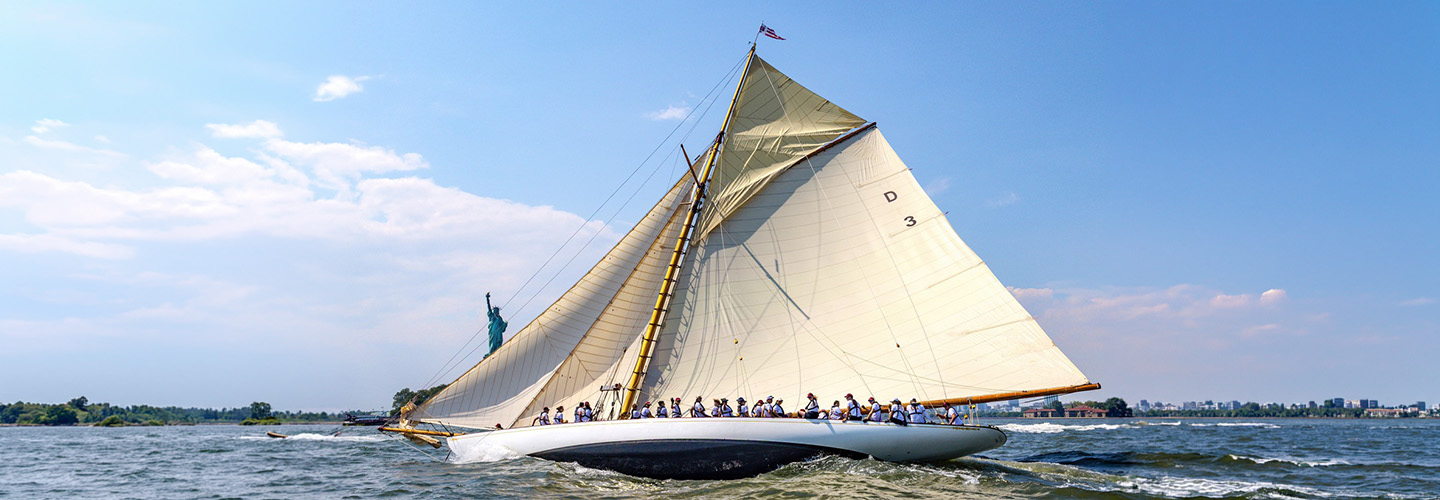
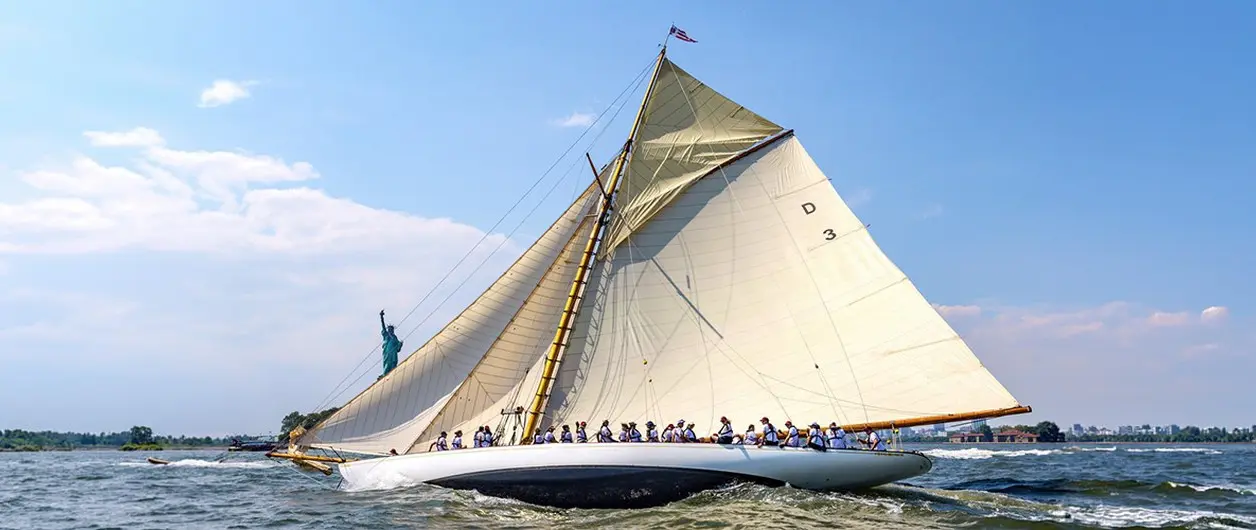
Lead photograph: Classic yacht Tuiga under sail in Sicomin official GreenPoxy mast restoration case study. Sicomin, official Tuiga project photograph supplied with the November 2026 resin case study. Original official image source.