More stabilization comes from a smaller package
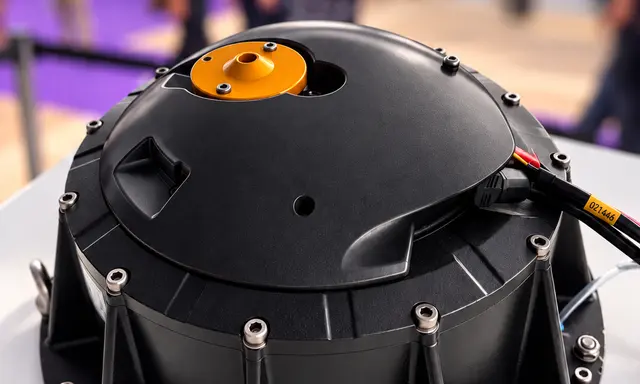
Seakeeper says the new 7.5 delivers 25 percent more stabilization while using 20 percent less volume than the Seakeeper 6. The mechanical redesign is intended to give builders and refit yards more flexibility when packaging the gyro into engine rooms and technical spaces where every centimetre competes with tanks, machinery and storage.
The new unit retains a broadly similar installation footprint to its predecessor, which is significant for existing Seakeeper 6 installations. Owners considering an upgrade may therefore have a more straightforward path than a completely different system would allow, subject to the individual yacht’s structure, access and engineering arrangements.
Spool-up time has been reduced substantially
The 7.5 can begin delivering stabilization in as little as ten minutes, which Seakeeper says is more than 50 percent faster than the Seakeeper 6. Its maximum rated speed is 9,700 rpm, with full spool-up quoted at 24 minutes and operating power consumption between roughly 1,000 and 2,300 watts.
Faster availability matters in everyday ownership because a gyro is most useful when it is ready before passengers encounter uncomfortable motion. Shorter preparation time can make the system more practical for spontaneous departures, short coastal passages and lunch stops where owners may not want to wait for machinery to reach operating speed.
Maintenance and installation have also been reconsidered
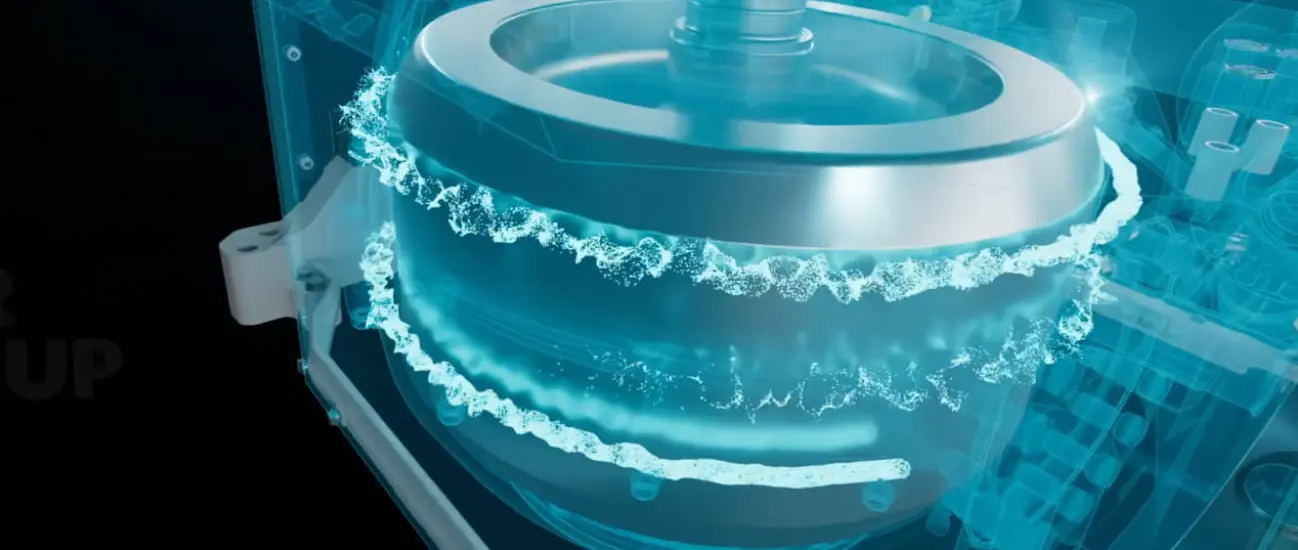
A new asymmetric flywheel shape allows the motor to sit deeper within the assembly, reducing overall height while preserving performance. Seakeeper has also moved to a single-cylinder brake design that removes hoses and connections, reduces weight and eliminates the annual service requirement associated with that part of the system.
The frame can be disassembled to make installation through restricted access points easier, while fewer mounting bolts and quick-release cover fasteners are intended to simplify servicing. Those details are important on 45-to-54-foot yachts, where machinery spaces can be considerably tighter than on larger superyachts with dedicated technical rooms.
Integration with Seakeeper Ride extends the control strategy
The new gyro can work with Seakeeper Ride when a yacht carries both systems. The company’s integrated control architecture allows the gyro and transom-mounted attitude-control hardware to communicate, coordinating their responses to pitch, roll and yaw rather than operating as completely independent devices.
Seakeeper says the 7.5 is scheduled to ship in the fourth quarter of 2026, with the Seakeeper 6 due to retire in mid-2027. For builders and owners in the 45-to-54-foot sector, the launch provides a new stabilization option that focuses as much on packaging and serviceability as on headline roll reduction.
Official sources: www.seakeeper.com; www.seakeeper.com.