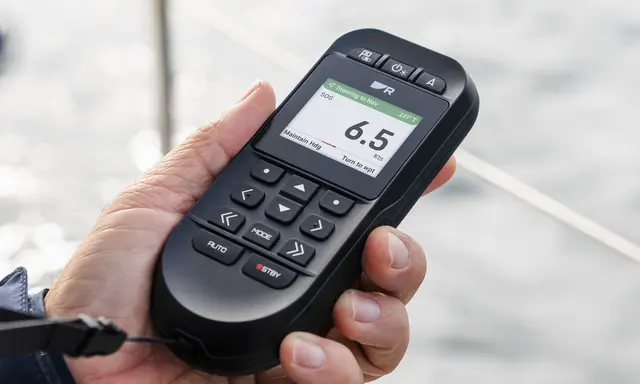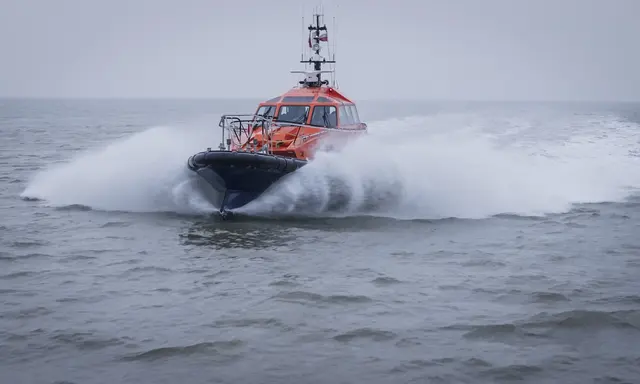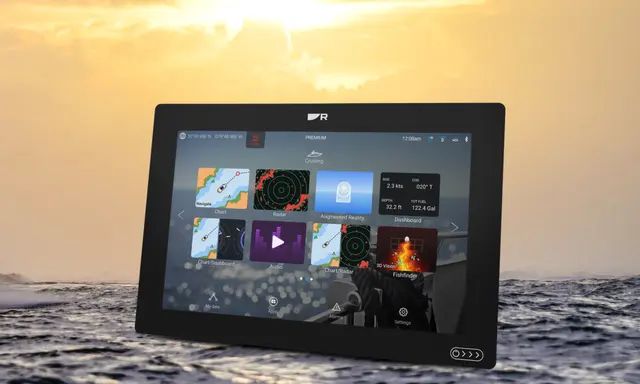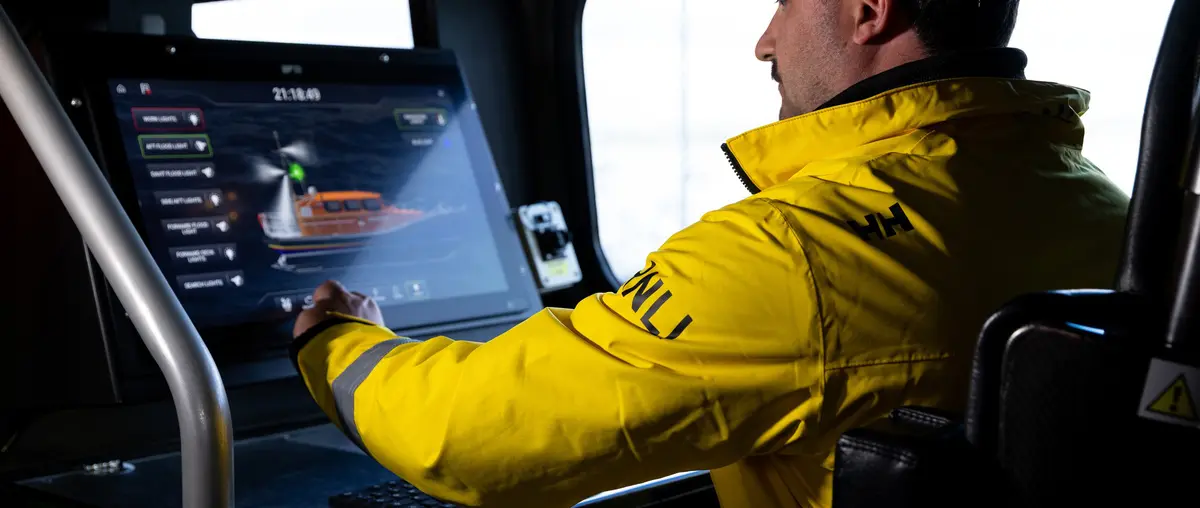
Teledyne Raymarine and Teledyne FLIR Marine have entered a strategic five-year partnership with the Royal National Lifeboat Institution. The programme is intended to place advanced navigation and thermal-imaging technology into RNLI vessels, supporting faster and more effective life-saving operations around the UK, Ireland and Channel Islands.
Navigation and thermal imaging come together
The partnership combines Raymarine marine electronics with FLIR thermal-imaging systems rather than treating them as separate equipment packages. For rescue crews operating in darkness, poor weather or cluttered coastal waters, integrating navigation and visual awareness can reduce workload at exactly the moments when conditions are most demanding.
A fleet-wide relationship is more significant than a single fit
A five-year agreement gives both organisations time to standardise equipment, training and support across multiple vessel types. That is different from a one-off product installation because lessons from operational use can feed back into later deployments and help improve consistency across the rescue fleet.
First-responder demands set a high reliability bar
RNLI crews work in conditions that recreational owners would normally avoid, so hardware must tolerate vibration, spray, temperature changes and continuous use. Equipment proven in that environment can also influence the wider leisure market, particularly for owners who value night vision, redundancy and rapid access to critical information.
The partnership matters beyond rescue operations
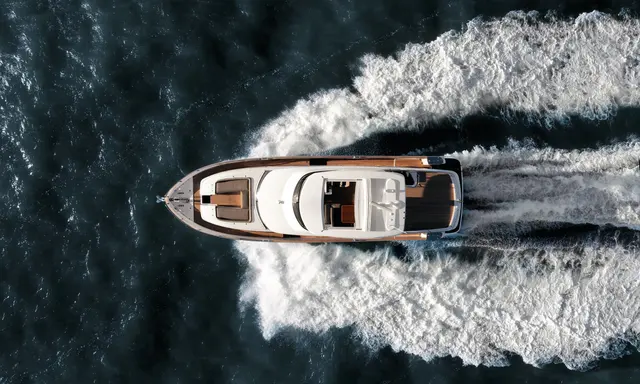
For luxury-yacht owners, the immediate story is not about buying RNLI-specification equipment but about technology being validated under unusually demanding operating conditions. Development and support lessons from first-responder fleets often filter into mainstream navigation, thermal imaging and user-interface design over time.