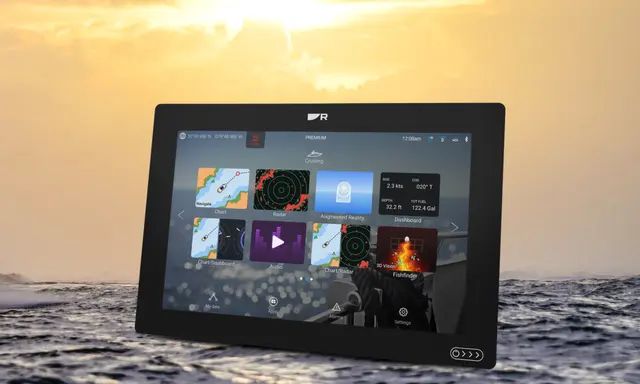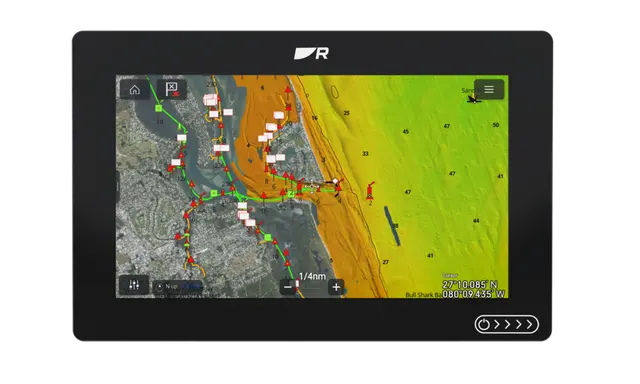
Hefring Marine’s Intelligent Marine Assistance System is now available as an approved integration within Raymarine’s LightHouse operating system. The collaboration allows Axiom users to access AI-powered guidance directly from the helm, bringing another layer of decision support into the multifunction display rather than requiring a separate device.
IMAS moves AI assistance onto the main display
The integration puts Hefring’s digital assistant inside the environment already used for navigation and vessel information. That reduces the need to shift attention between screens and makes the system more likely to be used as part of normal watchkeeping rather than as an occasional secondary tool.
Real-time guidance is the core proposition
Hefring positions IMAS around safer, smarter and more efficient operation, using live vessel and operating data to provide guidance while the boat is underway. The practical value will depend on how clearly recommendations are presented and how well the system distinguishes useful advice from unnecessary alerts.
Integration matters more than adding another app
Modern helms already carry charting, radar, sonar, engine data, cameras and digital switching, so adding intelligence only helps if the information fits into the existing workflow. Native LightHouse support gives IMAS a better chance of becoming part of that workflow because the owner does not need to manage another standalone display or control interface.
AI remains an assistance layer, not a replacement skipper
For yacht owners, the important distinction is that systems like IMAS support human decisions rather than remove responsibility from the person at the helm. The strongest long-term use case is likely to be workload reduction and more consistent operating awareness, especially during longer passages or in changing conditions.