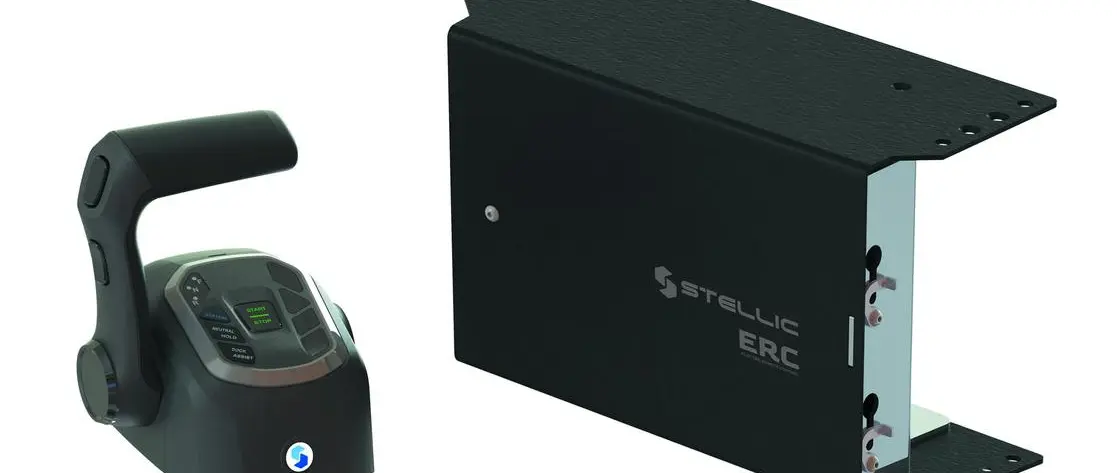
Digital command for familiar propulsion functions
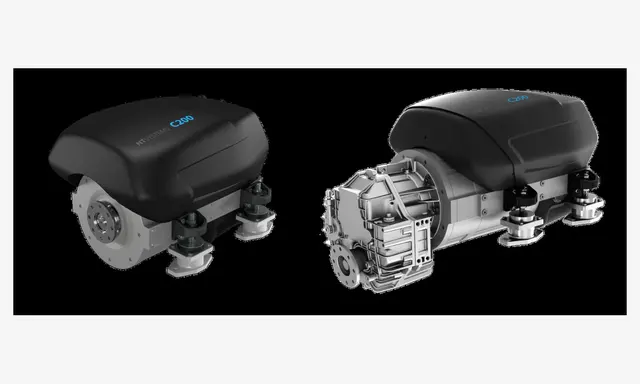
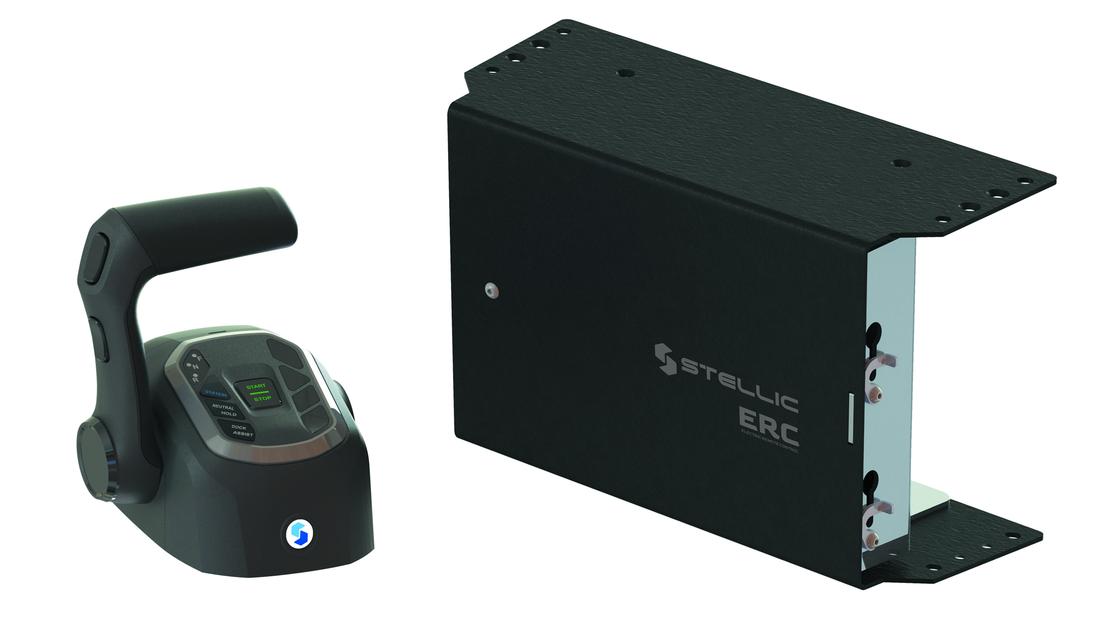
Pretech Marine has presented its Electronic Remote Control system, known as ERC, through the official METSTRADE 2026 product catalogue. Released on 31 August, the equipment is described as a digital alternative to mechanical cable control for engine throttle and gearbox shifting. The manufacturer points to precise speed adjustment, smooth gear transitions and a helm interface designed for demanding marine use. For owners of luxury motor yachts and high-specification cruising craft, electronic propulsion controls are relevant because they can shape the confidence and predictability of everyday manoeuvring.
The public product description is a starting point rather than a complete engineering manual. It does not establish compatibility with every engine or gearbox, the exact redundancy architecture of every installation or the full list of available configurations. A boatbuilder should obtain application data and confirm the intended control scheme before assuming that an attractive electronic lever can replace an existing mechanical assembly without substantial system work.
The limitations of a traditional control cable
Mechanical throttle and shift controls depend on a physical connection between the helm and the machinery. Cable friction, bends, installation quality and wear can influence how much effort is required at the lever and how promptly the mechanical movement reaches the engine or gearbox. On larger or more complex boats, long routing distances and multiple helm stations can make these problems more apparent. An electronic control system separates the operator's input from the mechanical cable route.
That separation can create a smooth and repeatable interface, but it also shifts responsibility to sensors, actuators, electronic controllers and wiring. There is no universal guarantee that digital control is always simpler or safer. The system must be designed, installed and maintained so that its response to faults is predictable, particularly during docking and close-quarters operation.
What the ERC is intended to control
Pretech describes digital command over shift and throttle, covering the two main functions required to manage many conventional propulsion systems. Throttle determines the demanded engine output, while shifting selects the appropriate gearbox state where supported. Coordinating them can be more complex than moving a single lever through its travel, because gear-engagement timing, engine idle and protective limits have to be respected.
The supplier emphasises smooth transitions and precise adjustment. Owners should seek detailed information about how those functions are implemented for their engine and gearbox combination. A boat with two propulsion units may require a different control arrangement from a single-engine cruiser, and any additional helm station needs a clear procedure for transferring command.
Control response is especially important when docking
A skipper working in a crowded marina often makes small adjustments to speed and gear. An unexpected delay, excessive sensitivity or inconsistent lever feel can make a boat difficult to position. A well-calibrated electronic remote control may help by translating helm input into consistent commands, but this depends on the final setup. The driver should understand the lever's neutral position, any detents and the behaviour of the propulsion plant when changing direction.
Commissioning should include practical tests at low speed, under load and during controlled manoeuvres. The engineer should also assess whether the boat's idle speed and transmission characteristics make the chosen control mapping comfortable. Good software cannot eliminate the physical momentum of a large boat or the effect of wind and current, so operational judgement remains central.
Multiple helm stations and transfer logic
Many luxury yachts have an interior helm and a second steering station on a flybridge or aft deck. Some also use docking stations positioned for better visibility. Electronic controls can potentially simplify the arrangement of command stations, but the actual ERC configuration and supported interfaces must be established from Pretech's technical documentation. A purchaser should not infer multiple-station capability or automatic synchronisation from the general term 'electronic remote control'.
Where more than one station is fitted, the transfer of command must be obvious to the operator. The system should make clear which station is active and what occurs if another station requests control. Crew training is essential because confusion at this point can produce an unsafe situation even when all hardware components are functioning correctly.
Interfaces to engines and gearboxes
The most important procurement question is whether the ERC is suitable for the specific propulsion system on the yacht. Modern engines may already have electronic control interfaces, while older installations may need approved actuators or conversion arrangements. Gearboxes differ in permitted shift loads and timing. A successful design must respect the requirements of each component manufacturer rather than forcing a single generic control strategy onto every engine room.
The yard should request a compatibility list, wiring plan and commissioning procedure. Any changes to engine-management settings must be authorised and documented. Owners should also ask who takes responsibility for a fault that appears at the boundary between the control lever, a gateway and the engine controller. Clear accountability is a significant advantage when a yacht is maintained away from its building yard.
A clean helm can conceal complex engineering
One attraction of electronic controls is the opportunity to create a carefully integrated bridge without long mechanical cable runs. Designers may prefer compact controls aligned with other navigation and monitoring equipment. This can serve the appearance of a luxury yacht and potentially improve the ergonomic relationship between the helmsman and propulsion controls. Yet appearance should be considered alongside accessibility and the need for the skipper to operate the system accurately by touch.
The size and resistance of a lever, its proximity to other controls and the risk of accidental movement all matter. A beautiful control surface that encourages mistakes is a poor design. Before choosing the final console, the builder should test lever position with the intended seating, sightlines and steering arrangement.
Power supply and fault behaviour
An electronic control system relies on electrical power and communication paths. The design must therefore include appropriate protection, wiring quality and a documented response to a fault. The exact redundancy and fallback features of the Pretech ERC should be established from its approved specification rather than assumed. For a yacht, losing reliable command of propulsion is a critical event and warrants careful integration.
A commissioning programme should test loss of supply, sensor problems and communication interruptions under controlled conditions. The crew must know which alarms indicate a control issue and what actions are permitted. These procedures should appear in the yacht's operating manuals and training records, not remain solely in an installer’s knowledge.
Retrofitting a mechanical-control boat
A yacht with ageing mechanical controls may be an appealing candidate for electronic conversion, especially when lever effort has increased or routing is difficult. However, a retrofit can require more than the new helm units. The yard may need to install actuators, additional power wiring, control modules and a revised helm panel. Existing mechanical arrangements must be assessed for safe removal or appropriate retention.
The business case includes installation labour, compatibility investigations and future service support. It may be sensible to coordinate the work with engine or gearbox maintenance, but the decision should be based on a clear technical proposal. An ERC retrofit should not be portrayed as a guaranteed cure for underlying mechanical faults elsewhere in the propulsion system.
Why training matters after installation
The skipper's muscle memory develops around familiar control behaviour. A new electronic lever may have a different response curve, neutral position or station-transfer process from the system it replaces. Even when the new controls are intuitive, a supervised familiarisation period is appropriate. Crew should practise ordinary harbour manoeuvres before operating in stressful circumstances where a quick and accurate response is necessary.
Training should also cover the onboard documentation: how to identify the exact equipment version, where the isolation points are located and whom to contact for service. If the yacht changes operators, these details allow a new captain to become familiar with the controls without relying on undocumented explanations.
Maintenance and software support
An electronic control system may reduce some mechanical wear associated with cables, but electronic components require their own monitoring and support. Connectors, cable protection, moisture exposure and software versions can all affect reliability. The owner should request Pretech's maintenance schedule and an explanation of any diagnostic facilities available. A well-designed fault log can help technicians distinguish the control system from engine or gearbox problems.
Spare-parts availability is an important consideration for cruising yachts that visit remote locations. Owners should know whether an authorised local service provider can test the equipment, obtain a replacement controller and restore the correct configuration. A repair that requires undocumented specialist steps may become a serious operational inconvenience.
The value of a measured comparison
Pretech's August 2026 catalogue describes the ERC as improving command smoothness, speed adjustment and operational efficiency. Those are legitimate design goals, but the public description does not supply independently measured comparisons for a named boat. The practical evaluation should be made through an installation or demonstration using realistic engine behaviour, with attention to both the advantages and potential failure modes.
A buyer should compare the ERC with compatible alternatives based on ease of operation, installation demands, support, reliability and total cost. For some new-build yachts, a suitable digital-control architecture may be specified from the outset. For an older boat, an appropriate mechanical system might remain entirely adequate after professional service.
A relevant 2026 marine electronics announcement
The Pretech ERC is notable because it focuses on a fundamental interaction between captain and vessel: how a helm command reaches the propulsion machinery. Its official 2026 product information establishes an electronic remote-control concept for shift and throttle with an emphasis on precise operation and smooth transitions. It does not remove the need for engine-specific integration and careful commissioning.
For luxury yacht owners and builders, that is the important distinction. The product may contribute to a cleaner, more ergonomic helm and predictable propulsion response, but only when installed as part of a properly engineered system. The next step is to verify compatibility and safety documentation, then assess the controls on a real vessel rather than relying on a trade-show description alone.
Sources and image credits
Reporting based on Pretech Marine ERC electronic shift/throttle-control original supplier product entry, 31 August 2026.
Lead photograph: Pretech Marine ERC Electronic Controls Bring Digital Throttle and Shift to Yacht Helms official manufacturer photo. Pretech Marine manufacturer-submitted Electronic Remote Control (ERC) product photograph from official METSTRADE 2026 catalogue. Original official image source.