Material choice becomes a design feature
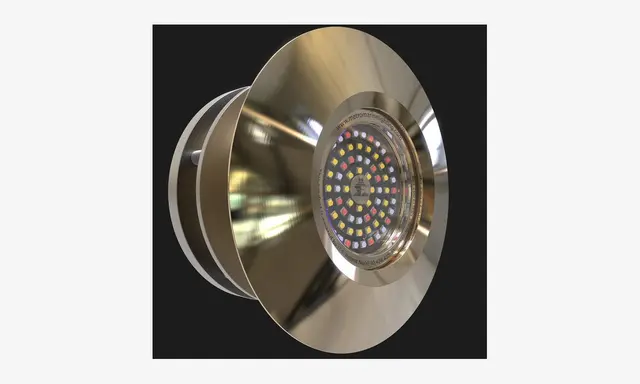
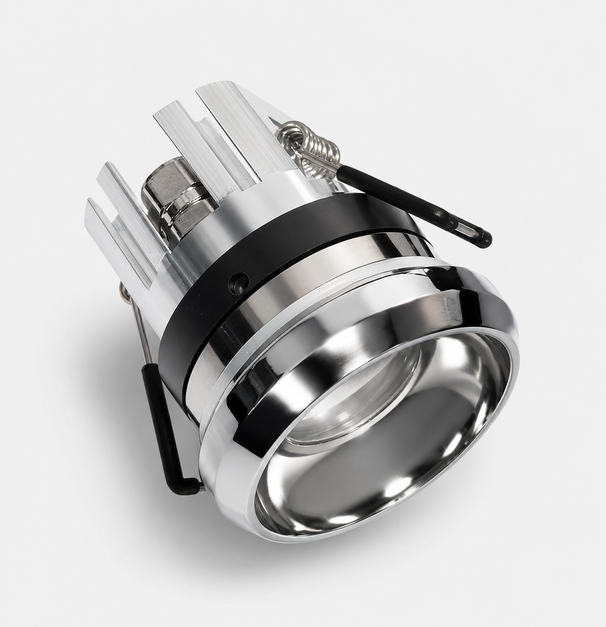
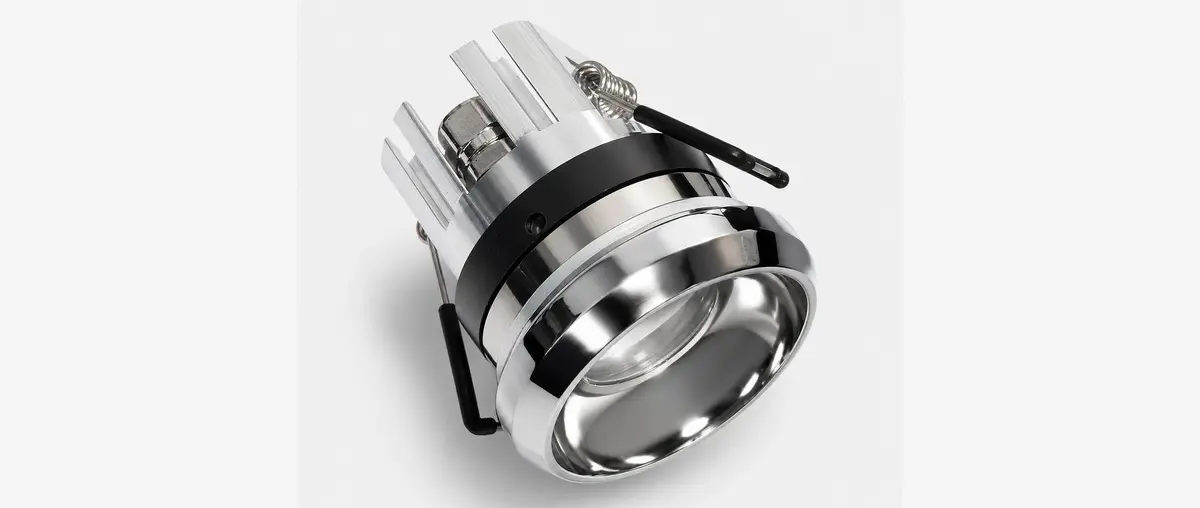
B.C.M. Illuminazione has presented Titan, a premium downlight whose defining element is a solid titanium bezel. The Italian marine lighting manufacturer listed the product at METSTRADE 2026 with an entry released on 31 August, describing reduced weight and resistance to corrosion, wear and weather exposure. Fixed and adjustable versions are offered for interior and exterior applications on yachts and luxury vessels. The announcement is a reminder that a lighting fixture is both an optical instrument and a physical component expected to withstand years of marine conditions.
Titanium is well known for its combination of strength and resistance to certain corrosive environments, but a product's performance depends on more than one material in its construction. The company specifically identifies the bezel rather than stating that every internal component is titanium. Owners and designers should therefore obtain the full material and protection specification before drawing conclusions about durability, ingress protection or the service life of the complete luminaire.
Why a bezel matters on a yacht
The bezel is the part of a recessed light most visible to guests and most exposed to routine cleaning and physical contact. In a carefully detailed luxury interior, small variations in finish can undermine the overall design. On an open deck or under a hardtop, the same component may face salt spray, sunlight and temperature changes. A titanium bezel can offer an alternative to more common metal finishes when a designer is prioritising a particular combination of appearance and resilience.
The manufacturer's public description establishes an intention, not a universal guarantee that the fitting cannot corrode. Fasteners, adhesives, electrical connections and the surrounding structure can affect the installation. A prudent specification will evaluate the fixture as a whole and establish the recommended cleaning routine for the selected finish.
Fixed and adjustable versions serve different tasks
BCM describes Titan as available in fixed and adjustable versions. Fixed fittings may suit areas where the beam should remain consistent, such as a passageway or a carefully planned pattern of ceiling lights. Adjustable downlights are useful where the designer wants to direct light toward artwork, a table or another feature without changing the entire fixture position. The choice affects both the visual effect and how easily the crew can maintain the intended lighting scheme.
Adjustability also creates practical questions. The permitted angle range, method of adjustment and resistance to unwanted movement should be confirmed from the technical documentation. A yacht experiences vibration and motion, and a fitting that drifts out of position can frustrate both guests and crew. A reliable adjustable design should retain the intended alignment between maintenance visits.
Interior atmosphere and functional requirements
Luxury yacht lighting serves several overlapping purposes. It helps people move safely through spaces, supports reading and dining, highlights decorative features and creates different moods during the day. A recessed downlight can contribute to an uncluttered ceiling and a calm interior, but an attractive fitting alone does not ensure good lighting. Beam width, colour rendering, glare and the spacing between luminaires are essential parts of the result.
The manufacturer refers to high-quality LED illumination, yet the short product listing does not establish the exact lumen output, colour temperature or beam options of every configuration. Designers should request photometric data and, where appropriate, compare physical samples. Decisions about the quantity and placement of fittings should be based on the task and space rather than simply the visual appeal of an individual lamp.
Exterior exposure changes the specification
An exterior ceiling or overhang may be sheltered from direct rain while still exposed to humid salt air and periodic wash-down. A fixture can also encounter condensation when the temperature changes rapidly. BCM's focus on weather resistance is therefore relevant to yacht exteriors, although the actual suitability of Titan for a given location must be established from its rated protection and installation requirements. The appearance of a durable bezel does not prove that every recessed mounting arrangement is watertight.
Builders should consider the surrounding headlining, insulation, cable routing and the possibility of water collecting behind the visible face. Access for inspection is especially important in a yacht where finished panels may be difficult to remove. The correct seal and mounting details should come from the manufacturer rather than improvised methods that could compromise ventilation or electrical safety.
Weight is useful but should be measured
The product description highlights minimal weight as a benefit of the titanium bezel. Weight control is important on yachts, particularly when designers are installing numerous fittings in ceilings, hardtops and raised structures. Yet the overall saving across a vessel depends on the mass of each complete fitting and the number used. The public catalogue entry does not provide enough information to calculate a quantified reduction relative to a named alternative.
Owners should be wary of exaggerated claims in which a small component's material is presented as a transformation of the yacht's performance. A lightweight bezel may be a sensible engineering choice, but the main purchasing reasons could be appearance, durability and service life rather than measurable changes to displacement. Those are worthwhile benefits without overstating them.
Installation into finished headlinings
Recessed downlights rely on accurately prepared openings and suitable clearance behind the visible ceiling. Luxury yachts often use complex headlining panels, insulation, ventilation ducts and wiring in the same limited spaces. A fitting's installation depth can affect whether it can be used in a particular area. The yard should confirm cut-out size, fixing method, thermal requirements and access before production joinery is finalised.
A refit may be more demanding than a new build because existing holes and wiring routes could limit options. Replacing a larger fitting with a smaller one may require a new trim detail, while a deeper luminaire could interfere with structure. A sample installation can identify those issues before a yard commits to purchasing dozens of components.
Electrical integration and dimming
The desired effect of premium LED lighting often depends on smooth dimming and consistent response across a group of fixtures. A yacht may have multiple scenes for entertaining, overnight passages, cleaning and guest accommodation. Titan's public product description does not specify every control protocol or driver arrangement, so compatibility with the selected onboard lighting system must be verified. A fixture may require a particular driver or dimmer to work as intended.
Electrical engineers should plan access to replaceable components where the supplier allows service. The installation needs appropriate circuit protection, cable management and isolation arrangements. Dimming performance should be tested at the low end of the range because flicker or inconsistent colour can become particularly noticeable in a dark interior.
Colour rendering and visual comfort
A beautiful downlight can disappoint if it creates harsh glare or alters the appearance of furnishings. Yacht interiors often contain woods, fabrics, metals and artworks whose colours shift under different lighting. Beam control and colour rendering are therefore more than technical footnotes. The designer should choose a light source that supports the intended palette and allows guests to use the space comfortably.
Where Titan is specified for exterior areas, the balance may shift toward safe movement and clear visibility on steps or side decks. The same fitting family could be considered for several locations, but the light level and beam distribution should be appropriate in each. Uniformity is useful; identical settings everywhere rarely are.
Maintenance and the handling of premium finishes
A corrosion-resistant material does not remove the need for cleaning. Salt deposits, cleaning chemicals and contact with other materials can affect the appearance of a fixture over time. The crew should obtain approved maintenance guidance and avoid abrasive cleaning methods unless expressly permitted. Access to the LED module and driver, where relevant, should also be documented so routine service does not damage expensive headlinings.
The lifecycle cost of a premium fitting includes replacement availability and the possibility of matching finishes years after the original installation. Yacht owners may prefer a consistent lighting family across cabins and exterior spaces, which makes long-term manufacturer support important. Spare parts and product revision control belong in an owner's equipment register.
Comparing titanium with other marine finishes
A titanium bezel is a specific design choice rather than evidence that conventional stainless steel, aluminium or polymer fittings are unsuitable. Other materials can perform well when properly designed and protected. The comparison should examine the complete fixture, its location, expected service conditions, aesthetic finish, cost and the availability of technical support. A higher material price may be justified in one space and unnecessary in another.
The owner can ask the yard to provide a representative sample board showing Titan alongside alternative fittings in the planned ceiling material. Viewing samples under real ambient lighting can reveal more than a catalogue rendering. The decision should be based on a coherent design and performance brief, not material prestige alone.
The 2026 Titan proposition
BCM's August 2026 entry gives buyers several concrete reasons to inspect Titan: a solid titanium bezel, options for fixed or adjustable light direction and a stated intention to serve demanding interior and exterior yacht environments. Those characteristics distinguish the product from a generic recessed light, even though full technical details must still be requested before installation.
For yacht designers and owners, the sensible next step is to examine manufacturer photometric data, ingress and electrical ratings, mounting drawings and finish samples. The right result is a luminaire that fits the architecture and remains reliable through years of use. Titan's lasting appeal will depend on that complete performance, not simply on the desirability of the metal visible at the edge of the fitting.
Sources and image credits
Reporting based on B.C.M. Illuminazione manufacturer-authored Titan marine downlight listing, released 31 August 2026.
Lead photograph: BCM Titan Titanium Downlight Targets Durable Interior and Exterior Yacht Lighting official manufacturer photo. B.C.M. Illuminazione official Titan titanium-bezel LED luminaire product image, unchanged, centered on a neutral LYG editorial matte. Original official image source.