A compact motor at the tender end of electrification
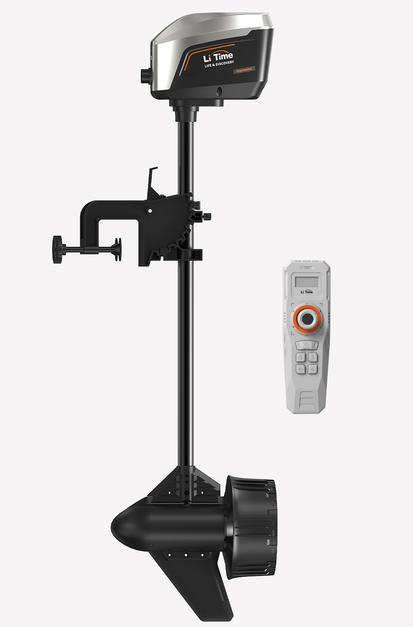
LiTime has introduced the Argoseeker A1, a 24-volt, 700-watt electric outboard motor intended for small boats and watercraft. Its official METSTRADE 2026 product entry, released on 10 August, describes up to 60 pounds of thrust, wireless control and a clamp-on mounting arrangement. The company positions the A1 for kayaks, canoes, small skiffs and compatible craft around 10–13 feet. It also promotes integration with its lithium iron phosphate battery range. For the luxury yacht market, the relevant application is not the main yacht's propulsion but a compact auxiliary tender or waterside utility craft.
The power rating and thrust figure need to be understood separately. Electrical input power, propulsive thrust and vessel speed describe different characteristics. The manufacturer's description calls the A1 a two-horsepower-class solution, but that does not make it directly interchangeable with every two-horsepower petrol outboard under all conditions. Owners should request performance information for the specific hull, loading and battery arrangement they intend to use.
A small motor can solve a useful problem
Not every yacht tender has to travel at planing speed or cover long distances. A compact utility boat may be used to move a person between nearby moorings, inspect parts of a larger vessel or reach a sheltered beach at low speed. In those applications, easy handling, low noise and straightforward storage can matter more than maximum speed. An electric outboard avoids the routine fuel handling associated with a small petrol engine, although batteries and charging systems bring their own requirements.
The Argoseeker A1 is intended for relatively modest craft and should be matched to a suitable hull. A 13-foot boat with light loading and calm-water use presents a different challenge from the same hull carrying several people against wind and current. A tender's ability to return safely to the parent yacht should be assessed under the least favourable conditions it may reasonably encounter, not solely during a sheltered harbour test.
What 24 volts and 700 watts mean
LiTime lists a nominal 24-volt electrical system and 700-watt motor. These figures help define the battery and electrical installation, but neither directly states operating range. The energy required to move a boat depends heavily on speed, hull type, total displacement and environmental conditions. High thrust settings generally draw more power than gentle manoeuvring, and the available battery capacity must be considered after appropriate operational reserves.
Owners should identify the exact battery specification approved for the motor and the system's protection and connector requirements. Voltage compatibility alone is not a guarantee that a battery can safely provide the required current or work correctly with the motor's controller. A properly specified electrical package will include appropriate fusing, isolation and charging arrangements as detailed by the supplier.
Wireless control and the operator's responsibility
The manufacturer includes wireless control in the product description, potentially giving an operator more flexibility than a basic tiller-only arrangement. That could be useful on compact tenders where the most practical steering position is not directly beside the outboard. However, the exact functions, range and failure behaviour of the wireless controller should be established from the manual. A remote device should not be assumed to offer autonomous navigation or guaranteed connectivity in every environment.
A safe operating plan must address what happens if the controller's battery fails, communication is lost or the operator accidentally drops the device. The boat should not be used in confined water until the driver understands how the motor behaves in such situations and how to stop it reliably. These questions are especially important when a small tender is being manoeuvred close to the hull of a valuable yacht.
Clamp-on installation deserves careful checking
LiTime emphasises the simplicity of a clamp-on setup. For an owner, the attraction is clear: a relatively portable motor can potentially be fitted without complex permanent machinery. Yet the transom must still be appropriate for the loads imposed by the mount, and the shaft length needs to place the propeller correctly in the water. A convenient fitting cannot compensate for inadequate structural strength or poor geometry.
The installation should be checked for clear steering movement, secure fasteners and proper retention. An owner who removes the motor regularly also needs a safe lifting and storage procedure. Damage to a yacht's polished tender transom or deck finish is less serious than a lost motor or control failure, but both are reasons to specify suitable protective fittings and storage arrangements.
A role aboard a larger luxury yacht
Owners of larger yachts frequently carry several pieces of auxiliary water equipment: a primary tender, smaller boats, kayaks or specialised craft used by crew. A compact electric outboard could fit the lower-powered end of that fleet, subject to size and compatibility. It might offer a practical alternative for a small boat used for inspection or gentle excursions, while leaving the main tender's higher-power propulsion unchanged.
The distinction prevents inappropriate expectations. An Argoseeker A1 is not a replacement for a large rigid inflatable tender used for repeated guest transfers over long distances. Its strength lies in modest craft that can operate within an energy and handling envelope suited to the motor. A sensible yacht equipment inventory should identify where such a device adds capability and where a more powerful boat remains necessary.
Batteries and the lithium iron phosphate choice
The manufacturer promotes compatibility with LiTime LiFePO4 batteries. Lithium iron phosphate chemistry has characteristics that can be attractive for marine energy storage, but safe operation still depends on the quality of the complete battery system and its management electronics. A small tender may have limited space to secure and protect the battery, making physical mounting, cable routing and moisture resistance particularly important.
A captain should also consider the handling of removable batteries aboard the parent yacht. Charging needs an approved location, appropriate electrical protection and procedures for damaged or suspect equipment. Batteries should not be charged or stored without following the supplier's safety instructions. The fact that the propulsion motor is small does not remove the need for disciplined battery management.
Charging on the parent vessel
A luxury yacht may have abundant generator capacity but still need a planned approach to charging auxiliary batteries. The Argoseeker installation should have an appropriate charger, correctly rated connection and secure charging location. Crew should know how to determine remaining charge and whether the system supports accurate battery monitoring. A simple calculation from a battery's advertised capacity may overestimate useable endurance if the operating conditions are demanding.
Charging schedules can be incorporated into the yacht's daily routine. The tender may need to be ready before morning guest activities or before a shore transfer, which suggests a simple status check as part of the deck team's preparation. It is better to find an undercharged battery at the dock than to discover the problem while returning against a current.
Handling and environmental limitations
The A1's stated thrust of up to 60 pounds is useful to understand, but actual steering control depends on the boat and loading. A small motor can be affected by strong wind on a high-sided inflatable, the weight distribution of passengers and the resistance of submerged vegetation or debris. It should not be used beyond the operating conditions specified by the boat and motor manufacturers.
Operators should practise stopping, reversing where supported and making low-speed turns before carrying passengers. They should also check the propeller area for entanglement and know the safe procedure for inspection after an incident. Electric power may appear less intimidating than an internal combustion engine, but rotating propellers remain dangerous.
Comparing the A1 with traditional small outboards
A petrol outboard can be refuelled relatively quickly when a suitable supply is available. An electric motor offers a different experience, with quiet operation and no onboard exhaust from combustion, but available range depends on stored electrical energy and charging opportunities. The right decision reflects the boat's normal work. A tender making short harbour journeys may fit electric propulsion well; an emergency workboat with unpredictable long-distance duties may require a different arrangement.
The total purchase cost should include the compatible battery, charger, spare parts and installation accessories. Likewise, the economic comparison should account for maintenance, storage and the yacht's existing fuel and electrical systems. The A1's public product description does not provide a universal operating cost or passage range, so buyers should request a complete quotation and relevant test information.
An electric option for the 2026 tender catalogue
LiTime's August 2026 announcement gives a specific configuration: a 24V, 700W Argoseeker A1 with up to 60lb thrust, wireless control and clamp-on mounting for small compatible boats. Those details make it a credible product to assess in the growing market for low-powered electric marine equipment.
The sensible next step is a short demonstration on the actual or a closely comparable tender, with realistic loading and a fully documented battery package. Owners should judge ease of deployment, controllability, charging discipline and the ability to return with reserve power. The A1 may be a useful addition to a luxury yacht's auxiliary equipment, provided it is selected for the right task rather than presented as a universal substitute for larger tender engines.
Sources and image credits
Reporting based on LiTime manufacturer-authorised Argoseeker A1 outboard product entry, 10 August 2026.
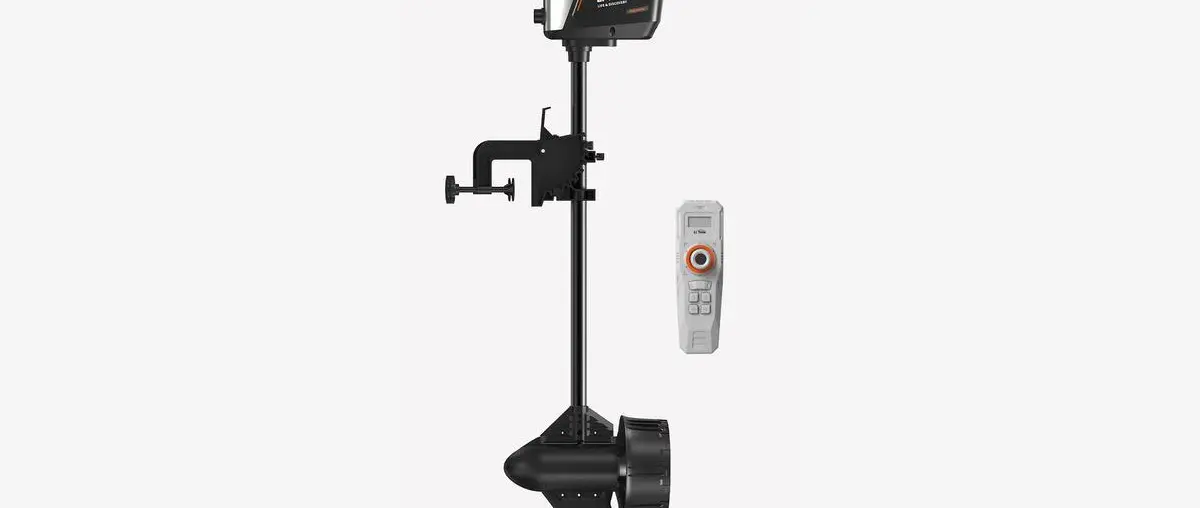
Lead photograph: LiTime Argoseeker A1 Electric Outboard Targets Compact Yacht Tenders in 2026 official manufacturer photo. LiTime original Argoseeker A1 electric outboard manufacturer photograph sourced from the METSTRADE 2026 catalogue; original centered on a neutral background. Original official image source.