An anchorage needs more than shelter
Pantaenius has used French Posidonia cases to draw attention to restrictions on anchoring over protected seagrass. The issue is relevant to smaller luxury yachts visiting Mediterranean destinations as well as to large superyachts.
A comfortable-looking bay may still fall within a restricted anchoring zone. Captains and owners must consult the applicable local rules before selecting a position.
Why Posidonia protection matters
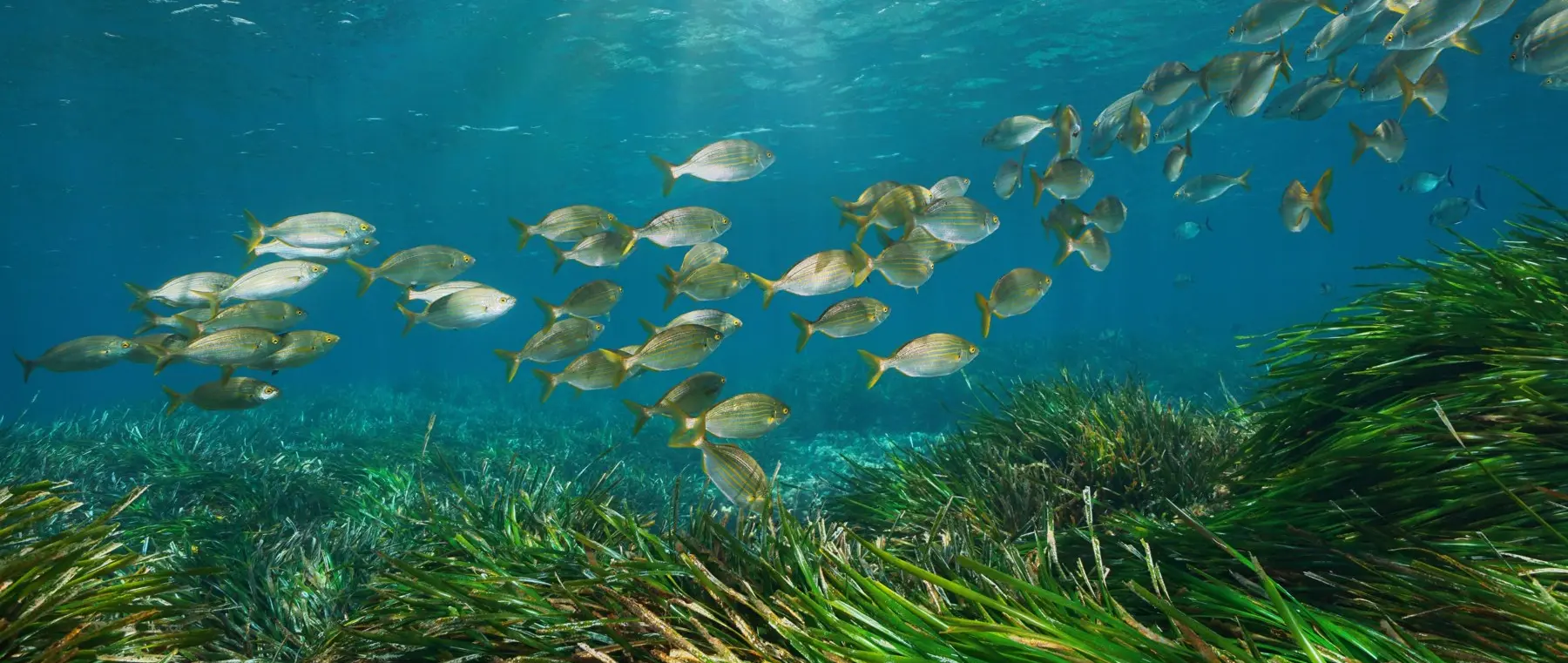
Posidonia oceanica forms important Mediterranean seagrass meadows, and anchoring can damage its beds. French authorities have designated areas where vessel size and location affect the anchoring rules.
A charted depth or attractive shoreline does not alone establish permission to anchor. Local notices and up-to-date geographic restrictions need to inform the passage plan.
Fines and insurance questions
The insurer’s account discusses enforcement and the financial consequences that can follow an incorrect anchoring decision. It is a cautionary example rather than a complete explanation of every French jurisdiction or individual case.
Owners should distinguish local administrative or criminal penalties from insurance cover and civil claims. Particular policies and court decisions require professional interpretation.
Planning a lower-risk visit
Crews can use authorised moorings, confirmed marina berths or lawful alternative anchorages where appropriate. Advance booking can make a crowded Mediterranean stop more predictable.
Pantaenius is the original source of the case study and accompanying photograph. A yacht-specific route and current restrictions should be checked directly with the competent local authority.