A focused approach to growth in marine lubricants
Liqui Moly is using experience in the personal-watercraft market to develop its broader marine distribution business, according to an interview with Markus Kastner, export business development manager for two-wheel and marine, published during METSTRADE 2026. Speaking to Marine Industry News in a report dated 25 November, Kastner described jet skis as an effective entry point in the United States and discussed a similar approach in Thailand. The company is pursuing additional marine business across selected European, Asian and North African markets while remaining focused on lubricants, greases and related maintenance products. For luxury yacht owners this may sound like a trade-distribution story rather than a technical breakthrough, but it touches a practical aspect of ownership: the ability to obtain the correct engine, drive and maintenance products in the places a yacht actually visits. A product is useful only if it can be sourced reliably and applied in accordance with the relevant machinery manufacturer's instructions.
Why personal watercraft can open a market
A jet ski is relatively compact, frequently used and subject to an intensive combination of heat, moisture and high engine speed. Owners and rental operators have recurring needs for suitable engine lubricants and care products, making the category a natural place for a specialist supplier to build dealer relationships. Kastner explained that the personal-watercraft segment helped Liqui Moly enter the US market and has proved productive in Thailand as well. That experience does not prove the same strategy will work in every territory, but it shows the logic of concentrating on a specific user group before expanding into other marine applications. Yacht operations can include personal watercraft, tenders, generators and a range of smaller engines that require different service products. A distributor who understands the demanding use patterns of one category may be better placed to explain why particular lubricant specifications matter, although competence and authorised supply still need to be verified.
Distribution is as important as formulation
Marine product availability can vary sharply between a yacht's home port and its summer cruising grounds. A familiar lubricant may be stocked by a workshop in northern Europe but unavailable at short notice in an island marina. An expanded distribution network can reduce that friction if the right grades, packaging and technical information are included. Kastner identified a mixture of established and developing markets, with the United States and Scandinavia among the company's stronger areas and several Mediterranean countries presenting additional opportunities. Owners should treat such statements as information about the company's business ambitions rather than a guarantee that every marina chandlery stocks the complete range. The practical question is who supplies the exact product required by a particular engine and what delivery time can realistically be expected. A reliable yacht maintenance plan includes alternative authorised suppliers, advance ordering and careful management of onboard spare products, rather than waiting until a service interval arrives.
Mediterranean opportunities and uneven market conditions
The November interview described progress in Greece and Croatia, alongside opportunities and pricing difficulties in other European territories. Marine maintenance markets are not identical across the Mediterranean. The mix of private yachts, charter craft, dayboats and commercial service providers changes from coast to coast, as do distribution structures and customer expectations. A product that is widely recognised in one country may need substantial technical education in another. That makes local partnerships important. For yacht managers, however, marketing expansion is only the first step. They need dealers who can identify the correct specification, supply genuine stock and provide documentation when asked. Language differences, seasonal demand spikes and transport restrictions can complicate deliveries. A brand may have a regional office without having a full marine range close to a particular harbour. Before relying on an unfamiliar supplier during a summer itinerary, crews should establish what is actually held in stock and how urgent replacements are handled.
Thailand and the regional watercraft market
Thailand is an interesting part of the strategy because recreational boating, island tourism and personal-watercraft operations create repeated demand for engine care products. Kastner indicated that the jet ski segment there was working successfully as a route into the market. For a supplier, rental fleets and service workshops can be useful customers because they operate equipment frequently and have clear maintenance cycles. Yet the demands of a commercial rental operation differ from those of a private yacht's rarely used tender. The former may place emphasis on predictable high-frequency servicing; the latter might spend long periods in storage between short bursts of operation. The correct product and maintenance interval must follow the specific engine maker's guidance. Owners visiting Thailand should also take account of local fuel quality, climate and the conditions in which spare lubricants are stored. A successful distribution effort will be judged by technical support and appropriate stock, not simply by the number of outlets carrying the brand.
Why North Africa and other markets are on the radar
Kastner identified potential in Tunisia and Morocco, while discussing opportunities and constraints in parts of the Middle East and Asia. Those remarks describe prospective commercial development, not confirmed distribution agreements or a promise of immediate product availability. For yacht owners, emerging supply networks are relevant because cruising patterns evolve. As more privately operated craft travel beyond their traditional home marinas, owners expect consistent servicing and legitimate replacement products. That expectation can be difficult to meet when local workshops specialise in different engine types or when import procedures delay delivery. A sensible operational policy is to maintain a verified list of authorised service points before departure and to carry permitted, correctly stored consumables appropriate to the planned maintenance schedule. Buying a similar-looking product under pressure can create expensive mistakes, especially when an engine's warranty or emissions equipment relies on a specific grade. Geographic expansion helps only if the technical standards travel with the products.
Price pressure and procurement discipline
The November trade interview also touched on cost pressures affecting raw materials and product pricing. Kastner described price increases and changes in sourcing conditions. Such comments should be attributed as the company's account of the situation, not treated as independent verification of every underlying market movement. From the yacht owner's perspective, the response should be disciplined purchasing rather than automatically choosing the cheapest available container. Lubricants are not interchangeable solely because two labels show an apparently similar viscosity. Approval standards, base-oil properties, additive packages and the engine maker's requirements all matter. Maintenance budgets can be planned around predictable intervals, and bulk orders may be practical where shelf-life and storage arrangements permit. However, carrying excessive quantities of fluids aboard adds clutter and creates spill-management responsibilities. A more effective strategy is to know the specification, identify authorised suppliers and record what has been used so that future technicians can trace the service history.
Marine engines are not simply car engines
Kastner noted that marine lubrication requirements may evolve as engines adopt technologies that have already influenced the automotive market. He discussed the possibility of growing demand for lower-viscosity grades in some marine applications, while emphasising that the company was not planning a major wholesale expansion of its portfolio. It would be a mistake to read this as advice for owners to switch existing marine engines to thinner oil. The correct lubricant remains the one specified and approved for that particular engine, operating conditions and service interval. Marine engines can face sustained loads, prolonged periods of low speed, saltwater exposure and different cooling arrangements from road vehicles. They may also sit unused for months. These differences influence maintenance practices and product selection. Future specifications should be adopted only when supported by the engine manufacturer or an authorised service programme, not because a different viscosity happens to be fashionable elsewhere.
Matching the product to the application
A luxury yacht may contain multiple lubrication requirements: propulsion engines, auxiliary generators, tender outboards, steering gear, thrusters and personal watercraft can all have distinct specifications. Some equipment calls for specialised gear lubricants, hydraulic fluids or greases rather than conventional engine oil. A reputable marine supplier should be able to identify the relevant product category and show the technical data or approvals that support its recommendation. Crews should document the engine or gearbox model, serial number, recommended specification and actual service product before ordering. This reduces the risk of confusion when a vessel changes captain or refit yard. The value of a broad product catalogue is not that one brand can replace every specialised fluid on board. It is that clearly documented products and competent advice can make routine servicing easier. Where a required approval is absent, the equipment maker's specification should take precedence over a general sales recommendation.
Maintenance records protect resale and warranties
Owners often encounter lubricant decisions indirectly through invoices from contractors or the yacht's engineering team. Yet those decisions can affect reliability, warranty claims and the confidence of future buyers. A clear service record should state what machinery was serviced, the date and operating hours, the quantity and exact specification of the product used, and the identity of the technician or contractor. Maintaining that record across the boat's lifetime allows a surveyor to judge whether maintenance has been consistent. It also helps a different workshop avoid mixing incompatible products after a change of ownership. Brands such as Liqui Moly can support this process by providing accessible product data and authorised supply, but responsibility for accurate records ultimately remains with the owner or appointed manager. A receipt without the product specification is less useful than a complete service entry tied to the equipment manufacturer's requirements.
The role of authorised workshops and regional dealers
A wider dealer network may improve access to consumables, but the quality of the network is not established merely by the existence of a local reseller. Owners should ask whether a workshop is authorised to service the engine, not just sell the lubricant. A marine mechanic may need training, diagnostic equipment and the ability to obtain genuine mechanical components alongside oil and grease. Where a product is represented as having a particular OEM approval, that approval should be checked against current published information for the exact formulation. Care should also be taken with container integrity, batch tracking and storage conditions when buying in unfamiliar markets. Counterfeit or poorly stored maintenance products can cause harm even when the label appears reassuring. A professional supplier should have a clear way to identify genuine stock and resolve technical questions. Those everyday safeguards give a distribution expansion practical meaning for yacht owners.
Environmental responsibility starts with handling waste
Lubricants are necessary for many marine engines, but maintenance has an environmental dimension that goes beyond product formulation. Used oil, filters, grease cartridges and contaminated absorbents need appropriate collection and disposal. Spills during transfer or servicing can quickly reach a marina basin if the work area is not protected. Crews should use designated containers, absorbent materials and approved waste contractors rather than treating small quantities as insignificant. The development of new lubricant grades may improve certain aspects of machinery performance when properly specified, but that does not remove the obligation to manage waste. A company promoting responsible marine maintenance should be able to support customers with safety information, handling instructions and clear product documentation. The practical contribution of the owner is to schedule servicing carefully, avoid unnecessary fluid changes and ensure that waste leaves the yacht through an authorised route. Good maintenance and good environmental practice are compatible when both are planned.
What the November interview establishes
The confirmed news is Liqui Moly's stated intention to expand its marine distribution business, using success in personal watercraft as a route into additional markets. Markus Kastner discussed the United States, Scandinavia, several Mediterranean countries, Thailand and future opportunities elsewhere, while describing current emphasis on core lubricants and greases. These are statements made by a named company representative in a contemporaneous METSTRADE interview. They are not evidence that new outlets have opened in every territory or that the company has announced a revolutionary lubricant for the entire yacht market. Luxury Yacht Guide is covering the business development because global product supply and competent aftersales service affect the running costs of privately owned yachts. Readers should verify current local availability and technical approvals rather than extrapolating them from a strategy discussion.
A practical lesson for the owner
The broader lesson is that dependable yachting relies on unglamorous infrastructure. A yacht may have impressive propulsion equipment and sophisticated monitoring, but a routine service can be delayed by the absence of the correct fluid, filter or trained technician. Liqui Moly's approach illustrates how a specialist supplier may build a presence by meeting repeated needs in one part of the boating market and then expand to adjacent applications. For a captain preparing a cruising season, the immediate response is to confirm current service specifications, plan supply for the itinerary and keep detailed records. Personal-watercraft users should be particularly careful because operating patterns and manufacturer requirements can differ sharply from those of the yacht's main engines. Expanding distribution is welcome where it improves access to properly specified products; the lasting measure will be the consistency of stock, technical guidance and accountable service when a yacht is away from its familiar home port.
Contemporary interview reference
The 2026 expansion remarks come from Marine Industry News’s METSTRADE interview with Markus Kastner. The official manufacturer product page cited as the primary maker reference documents LIQUI MOLY’s marine lubricant product category, not the entire 2026 business development interview.
Primary reporting and image credit
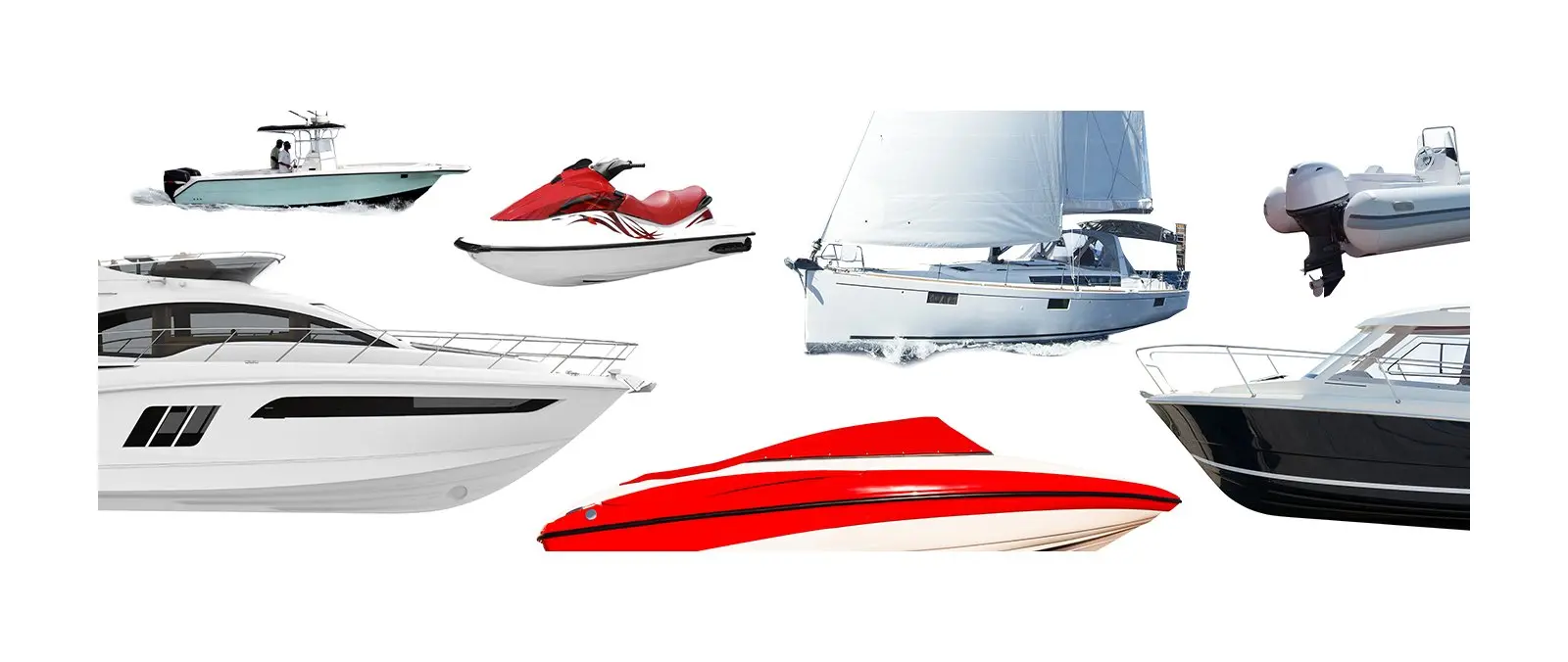
Primary manufacturer and organiser source(s): https://www.liqui-moly.com/en/gb/products/areas-of-use/marine.html. © LIQUI MOLY / original maker. Official marine range image displayed on white matte for lead-image format; the illustration is not a photograph of Markus Kastner. Image is used only for correctly attributed factual editorial coverage and never represented as open-licence stock photography.