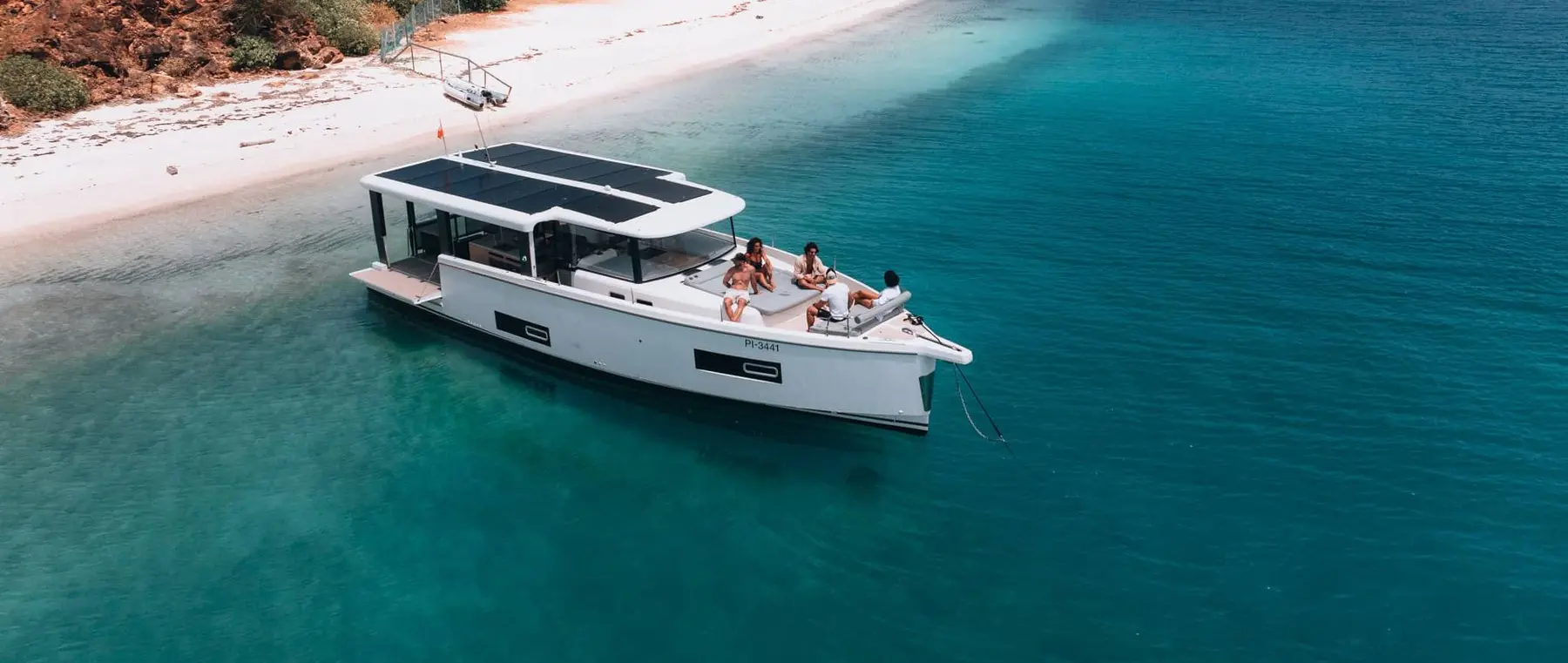
Jeanneau expands the idea of a yacht
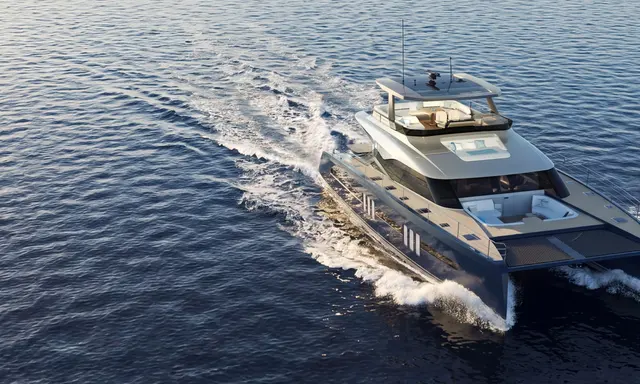
Jeanneau's Sea Loft 480 represents a departure from the usual discussion of new luxury yachts. At 14.1 metres overall, it falls within the Luxury Yacht Guide remit, yet its manufacturer's stated purpose is unusually specific: a floating hospitality platform intended for hotels, resorts and premium waterfront experiences. The concept is less about a conventional owner's passagemaking schedule than about how people might spend a full day, evening or overnight stay on the water without a traditional charter yacht structure. That distinction makes Sea Loft one of the more interesting developments at the intersection of leisure craft and travel.
The manufacturer introduced the Sea Loft 480 to the hospitality industry in 2026, including a presentation associated with the ITB Berlin travel show. Its parent company subsequently described the project as a move from an earlier concept towards a production model in the broader renewal of its range. Those are separate milestones and should not be confused with evidence of widespread deliveries. Jeanneau is proposing a new application for its marine expertise, and the commercial question is whether resorts can operate such a craft consistently, comfortably and responsibly.
A different customer is in view
Instead of asking only what an individual owner wants from a 14-metre yacht, Jeanneau begins with the needs of a hospitality operator. A beachfront property may want to add a private sunset outing, an evening venue, a floating suite experience or an exclusive day for a small group. These uses generate distinct operational demands. Staff must be trained, embarkation must be reliable, weather alternatives have to be considered and the guest experience must match the standard expected on land. A boat can look impressive in photography yet prove commercially awkward unless such details are carefully resolved.
Jeanneau Sales Director Antoine Chancelier has described the initiative as a response to hotels seeking new experiences and revenue opportunities beyond accommodation. That is the manufacturer's commercial thesis, not a guarantee of return for any individual resort. Prospective operators would need to assess capital cost, maintenance, licensing, insurance, crewing and occupancy patterns. For guests, the advantages may be simpler: private space on the water, a new perspective on the coast and the option of an occasion that feels distinct from ordinary shore-based hospitality.
The floating-villa approach
Jeanneau presents Sea Loft as an open, modular floating villa rather than a familiar high-speed sports cruiser. The guiding idea is to offer generous social spaces and a slower relationship with the marine environment. Different groups could use the same platform for a relaxed daytime outing, an intimate gathering or a more private overnight experience. That versatility is attractive in principle, although actual capacity, approved use, accommodation arrangements and navigation limits must be checked against the final specification rather than inferred from the concept's marketing language.
This kind of platform also challenges conventional assumptions about prestige. Luxury need not always mean greater speed, an intimidating list of systems or a dramatic engine-room specification. For some travellers, having space to move easily, see the water and enjoy a quiet anchorage may be more compelling than the ability to cover long distances. The design will have to deliver practical shelter, access and service flows alongside attractive outdoor areas. Those operational qualities are essential if a yacht-inspired experience is to become a repeatable part of hotel hospitality.
Hybrid cruising and environmental claims
The manufacturer describes the Sea Loft line as using hybrid propulsion with a quiet electric cruising component. That could be particularly relevant in sheltered coastal settings where low noise and a calmer atmosphere are part of the guest proposition. However, claims about environmental benefit require care: real impact depends on charging arrangements, energy use, operating profile, maintenance and how the vessel is deployed. A promotional description of quiet electric movement does not by itself establish a complete lifecycle emissions advantage over another vessel.
For operators, propulsion choice must be judged against daily schedules and local facilities. If excursions occur in rapid succession, the available charging window may become as important as range. If a vessel remains moored for extended guest experiences, hotel services and onboard electrical demand also matter. The most credible implementation would present guests with a comfortable and unobtrusive experience while managing the technical system professionally behind the scenes. Jeanneau's approach is promising, but independently verified operating figures remain essential before drawing firm conclusions.
A fit for the premium resort market
The appeal of Sea Loft may be strongest where a resort already possesses a distinctive waterfront setting and an established hospitality team. A secluded Mediterranean bay, island hotel or carefully managed marina could offer a floating extension of the guest experience without pretending to operate a conventional long-distance yacht fleet. The commercial model nevertheless varies greatly by location. Some coastlines are exposed to weather, others face strict anchoring or environmental rules, and many destinations have high seasonal swings in visitor demand.
For a guest, the ideal proposition is effortless: an uncomplicated embarkation, clear safety guidance, attentive but discreet service and time to enjoy the water. The operational machinery should not intrude into the occasion. Hotels considering the concept must therefore think beyond purchasing a craft to the entire experience before and after each trip. A coherent shore-to-boat journey, suitable contingency arrangements and qualified personnel will determine whether the floating-villa idea feels genuinely luxurious or merely novel.
What the next phase must prove
Sea Loft 480's 14.1-metre size makes it relevant to the luxury-yacht sector, but it occupies a different position from the private owner's typical motor cruiser. Its significance lies in product development aimed at hospitality businesses and potentially new forms of access to the sea. The project provides an example of boatbuilders looking beyond traditional purchasing patterns as hotels seek differentiated guest experiences. Jeanneau's own reporting establishes the ambition; future evidence must show where the product is delivered and how it performs under sustained real-world use.
The questions for buyers and operators remain concrete. What does a full service cycle cost, what support is available in the operating region, how robust is the hybrid arrangement and what restrictions apply to commercial use? For travellers, the test is whether the promised ease of life on the water survives the practical realities of booking, weather and service. If it does, Sea Loft could open a distinctive niche between private yachting and shore-based luxury hospitality without needing to imitate either one.
Sources: Jeanneau Sea Loft 480 announcement and Groupe Beneteau model programme. Hero photograph: official Jeanneau manufacturer image.