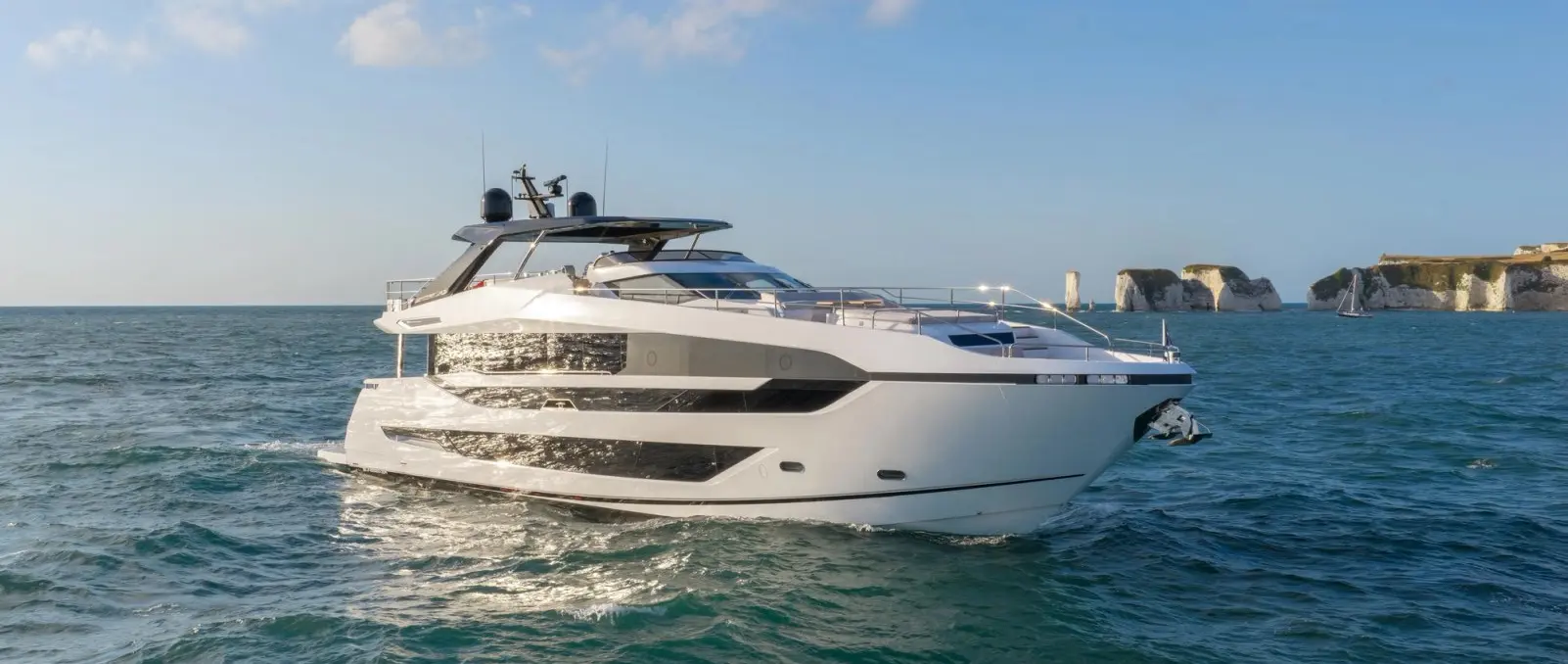
An award-winning Cannes debut for the Manhattan 94
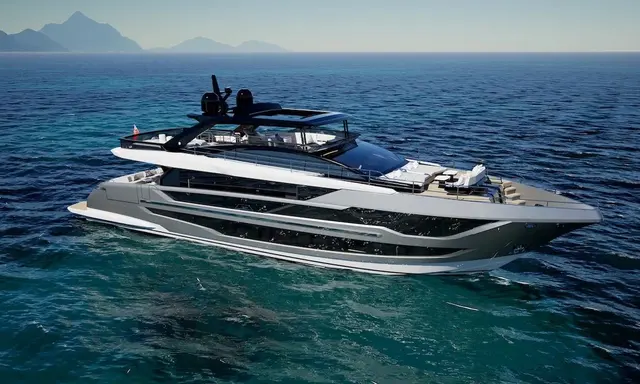
Sunseeker's new Manhattan 94 received the Best Exterior Design award in the 80–98ft category at the 2026 World Yacht Trophies following its international debut at the Cannes Yachting Festival. The recognition comes during an important period for the British builder as it introduces larger models and seeks to retain the character of its established Manhattan range. The award honours the design presented at the event rather than independently verifying every claim about handling, cruising comfort or operating cost.
The first yacht was developed with significant involvement from the owners of Hull One, who joined Sunseeker at the awards ceremony. That relationship is a distinctive part of the project. Instead of treating the first hull simply as a production prototype, the yard has described years of collaboration intended to reconcile a personal brief with a platform that can appeal to other buyers. The result is a motor yacht positioned between conventional flybridge cruisers and more substantial private superyachts.
Although the recognition came in September, its significance extends beyond the award event itself. Prospective buyers can now examine a completed yacht and consider how the design compares with other vessels of similar overall length. A global debut is an opportunity to assess circulation, finish and usability rather than rely entirely on renderings. The judging decision is useful context, but an owner's choice must still depend on their intended cruising programme.
A main-deck owner's suite changes the layout
The Manhattan 94 is designed around a full-beam owner's stateroom on the main deck, an arrangement more often associated with larger yachts than conventional flybridge motorboats. Bringing the principal accommodation onto the main level can provide privacy, better separation from the other guest cabins and a more direct connection with the owner's principal living spaces. It also creates new design challenges because the interior needs to remain balanced with the saloon and open-air circulation.
Sunseeker's wider accommodation plan provides four further guest cabins on the lower deck, giving the yacht space for up to ten guests in five cabins. Such a configuration can be attractive to an owner who regularly travels with friends or several generations of family. However, the total cabin count does not itself establish how comfortably every group will live together, and buyers should examine beds, bathrooms, sound separation and access routes in detail.
The raised position of the owner's suite is a point of differentiation, but it is not automatically more suitable for every cruising pattern. An owner who prefers a quieter lower-deck suite might value other arrangements, while someone expecting to work privately may appreciate a separate residence-like environment. Visitors to the yacht should assess the actual experience of moving between accommodation and public areas before forming an opinion from plan drawings.
Exterior design and social spaces
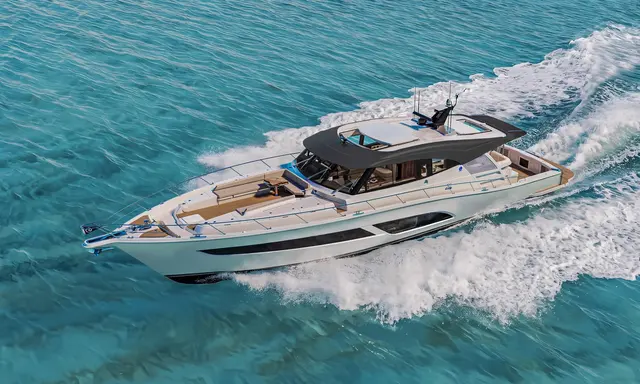
The Manhattan 94's exterior is intended to connect the aft cockpit, saloon and upper-deck entertaining areas without losing the strong architectural identity of the range. Expansive glazing is used to create long views through the interior, while the external seating arrangements are organised for groups who may want different activities at the same time. These relationships between spaces are among the elements that an exterior-design award can recognise, though practical use remains the more important test.
Sunseeker's first yacht gives the builder a completed example of how those spaces work together. For a private party spending several weeks aboard, comfortable circulation matters as much as the visual impression from a marina. Guests need somewhere to read, dine and spend quiet time away from the busiest social areas, and crew members must be able to service those spaces without unnecessary interruption.
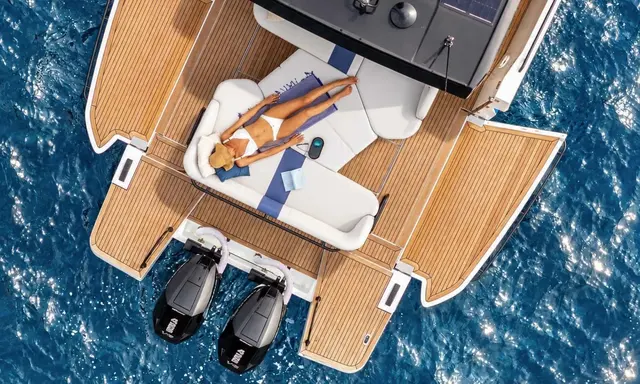
The flybridge and aft areas also invite questions about shelter and conditions under way. A striking open deck may be less useful when wind, spray or strong sun make it uncomfortable for much of the day. Owners should consider the placement of shade, the availability of protected seating and how equipment is secured in a seaway. Attractive architectural lines need to be supported by details that encourage the deck to be used regularly.
Dimensions and cruising capabilities
Sunseeker lists the Manhattan 94 at approximately 28.6 metres overall, with a beam of around 6.6 metres and a draught close to 2.1 metres. Those dimensions place it at the upper end of the Manhattan family and create considerable interior volume for a yacht that remains below thirty metres. They should be understood alongside gross tonnage and actual accommodation measurements, rather than treating length as the sole measure of value.
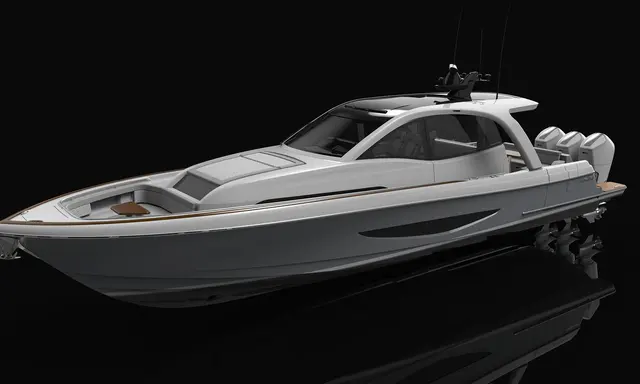
The published machinery options include twin MTU engines and conventional shaft-driven propulsion, with the builder indicating a maximum speed of up to 26 knots in an appropriate configuration. A fuel capacity of roughly 11,250 litres supports the vessel's cruising ambitions, but range cannot be calculated accurately from tank size alone. Owners need confirmed consumption figures at intended speeds, loading and environmental conditions before making plans for extended passages.
For buyers comparing the yacht with competitors, the most revealing technical data will be engine-room access, noise measurements, handling behaviour and fuel use during representative sea trials. These factors influence comfort and ownership costs over many years. A yacht may look impressive in a static display and still require a different assessment once moving in realistic weather or entering a crowded marina with limited crew assistance.
What the Cannes honour means for owners
Sunseeker's award provides evidence that the Manhattan 94 made an impression on industry judges during its first major public appearance. The involvement of Hull One's owners also underlines the personal nature of the design process. For other buyers, the important consideration is how much flexibility remains in later builds and which details reflect the original customer's particular needs. A successful semi-custom programme should preserve engineering consistency while allowing meaningful individual choices.
The 2026 Cannes debut was a milestone, not the end of the model's development as an operating yacht. Buyers should ask about completed testing, delivery schedules, after-sales arrangements and the effect of options on price and weight. The strongest ownership proposition combines a well-conceived layout with dependable service support and an operating profile that suits the places where the yacht will actually be used.
The Manhattan 94 marks a significant expansion of Sunseeker's established range, bringing main-deck owner accommodation and five guest cabins to an approximately 29-metre platform. Its World Yacht Trophies recognition confirms attention to its exterior design, but the longer-term reputation of the yacht will depend on how it performs through real seasons of cruising. For a buyer evaluating this category, the first completed example provides the best opportunity to look beyond the award and examine the details.