Preparation in Nuuk focused on autonomy and adaptability
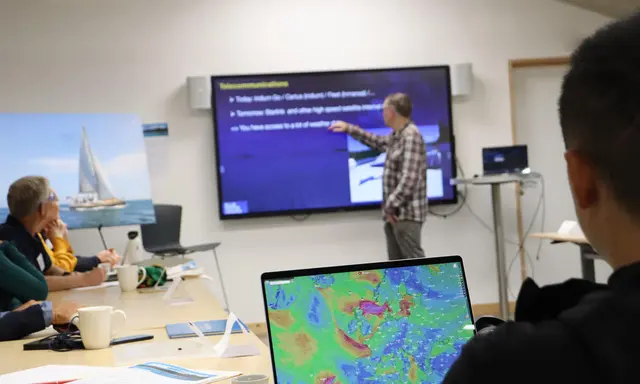
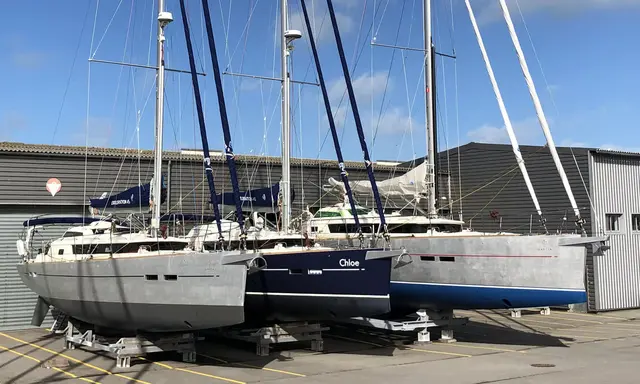
Before departure, the crew checked equipment, loaded provisions and completed work aboard while bringing fuel and water reserves up to the level needed for the route. On July 15 Hafiz took on 1,450 litres of diesel before leaving Nuuk the following day.
Those preparations underline the difference between normal seasonal cruising and remote expedition use. In the Arctic, the crew cannot assume easy access to fuel, spare parts or sheltered marinas, so reserves and technical readiness determine how many routing options remain available later.
Greenland quickly turned ice into a daily navigation issue
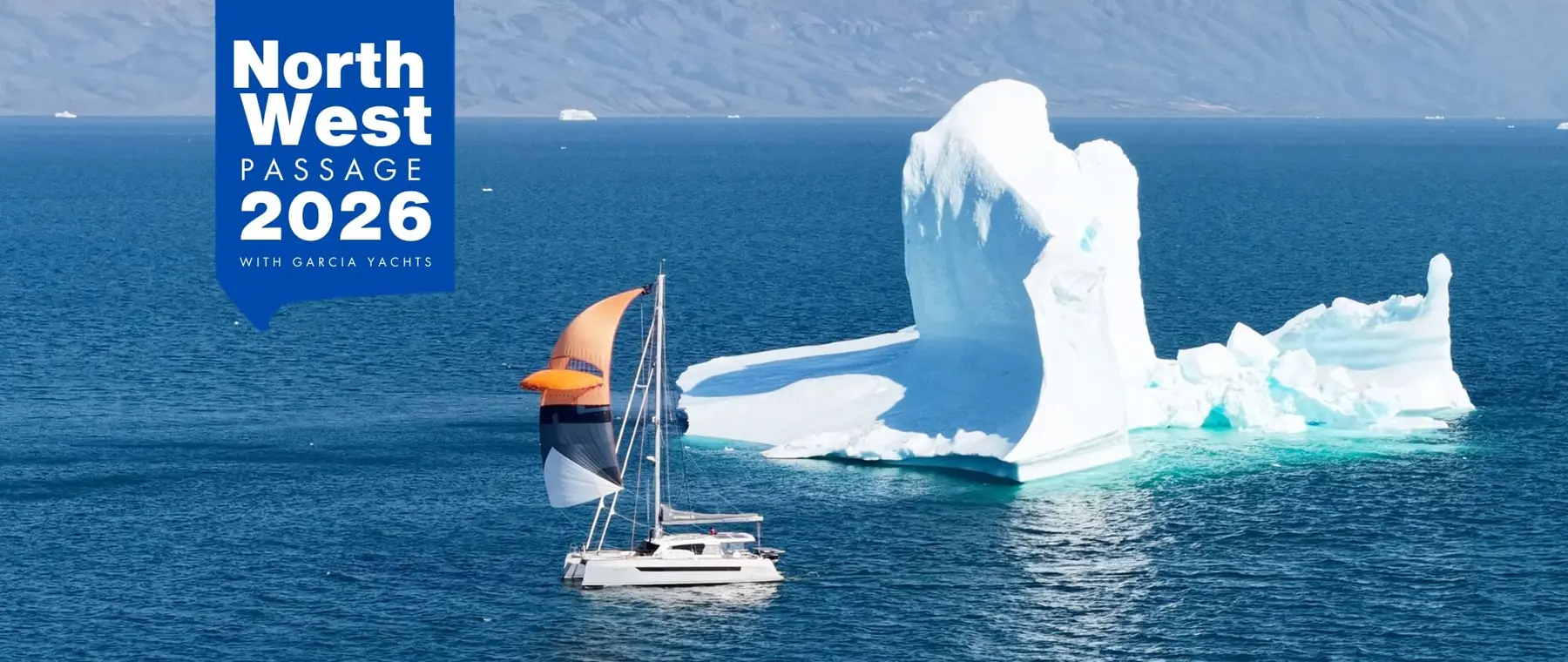
As Hafiz moved north toward Disko Bay and Ilulissat, the crew encountered growing concentrations of ice from the nearby Icefjord. The yacht initially continued under sail before lowering sail and proceeding under engine when the ice density demanded tighter manoeuvring and constant visual watch.
Continuous summer daylight helped, but it did not remove the workload. The crew had to combine direct observation with navigation information and adjust approaches when other yachts reported that local ice conditions made planned destinations impractical.
The first 880 miles established the expedition rhythm
Garcia says Hafiz covered 880 nautical miles in 15 days between Nuuk and Upernavik. Persistent high pressure and light winds meant only about 150 nautical miles were completed under sail during that section, despite the yacht's performance-oriented catamaran platform.
That is useful ownership evidence because remote cruising is not an efficiency demonstration. The yacht has to preserve fuel, maintain systems and keep making safe progress even when the weather refuses to match the sailing plan.
Baffin Bay brought better sailing and lower visibility
Hafiz left Upernavik on July 31 with southerly winds, setting full mainsail and gennaker and regularly making six to ten knots westward. Fog later reduced visibility sharply, requiring radar and continuous watchkeeping while icebergs remained present around the route.
The yacht reached the Canadian Arctic on August 2, but Garcia emphasised that success was still uncertain because western sections remained blocked by ice. That uncertainty is precisely what makes the account useful to owners: capability creates options, but it does not remove the need to wait or turn back.
Official sources: www.garciayachts.com.