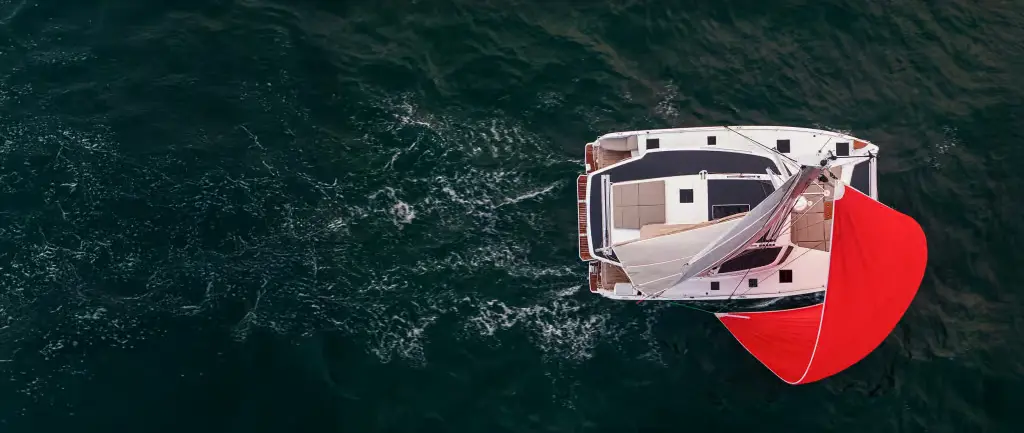
ODSea+ is presented as an integrated energy architecture
Fountaine Pajot describes ODSea+ as a combination of hybrid-electric propulsion, high-capacity batteries, renewable generation and centralised energy management. The objective is to reduce emissions, improve autonomy and preserve acoustic comfort both under way and at anchor.
That integrated approach matters because electrification is only useful when propulsion, charging and hotel loads are considered together. A battery system that looks impressive on paper can disappoint if generation and daily energy demand are not balanced around the owner's actual cruising pattern.
Hydrogeneration and solar support longer periods away from shore power
The FP41 ODSea+ can recover energy under sail through hydrogeneration while integrated solar panels contribute during daylight hours. The system then manages storage and consumption centrally rather than asking the owner to treat each source as a separate electrical subsystem.
For a yacht near LYG's lower size boundary, this is significant because available machinery and battery volume is limited. Efficient energy management can therefore create more practical benefit than simply adding capacity without considering weight and space.
Nice provided a technology-focused setting rather than a conventional show
Nice Boating Tomorrow is built around lower-impact marine technologies, making it a more suitable place to discuss energy systems than a normal sales exhibition. Fountaine Pajot used the event to explain the ODSea+ architecture in detail through onboard access and technical discussions.
That context gives owners an opportunity to ask questions about charging, redundancy, maintenance and realistic operating modes. Hybrid systems need to be understood as ownership tools, not merely environmental badges, if they are to remain useful after the novelty of delivery.
The FP41 keeps the technology inside owner-operated scale
The FP41 sits at roughly twelve metres, placing it at the lower edge of LYG's yacht range while remaining large enough for extended family cruising. That makes it an important test case for whether hybrid systems can become practical outside larger, professionally managed yachts.
If the technology proves reliable over several seasons, it could influence expectations across the wider LYG market. Owners may begin to treat quiet anchoring, reduced generator use and energy recovery under sail as normal specifications rather than specialist options.
Official sources: www.catamarans-fountaine-pajot.com.