A practical question behind marine technology
A new announcement from ePropulsion puts a deceptively simple question before the marine industry: when a boat produces more operational data, does that information actually help the people running it? The company's 5 November release confirms that co-founder and chief executive Danny Tao will join a panel at METSTRADE 2026 in Amsterdam on 17 November. The discussion is framed around what fleet owners, port operators and builders can learn from the information their boats and systems already produce. It is a forward-looking conference session, not a newly launched product or a published technical standard.
For owners of luxury yachts between 12 and 24 metres, the question is immediate. Many vessels in this category can have multiple screens, propulsion instruments, batteries, networked sensors, generators and shore-power systems. A screen full of figures is useful only when the crew understands what is being measured, whether the reading is reliable and what action it supports. The session may give the industry a chance to discuss precisely this gap between data collection and operational understanding.
What has actually been announced
According to ePropulsion's official notice, Tao is scheduled to take part in a session organised by IEMA, titled “Read, But Not Understood: The Real State of Marine Data for Fleet Owners.” The announced time is Tuesday 17 November, 14:00 to 15:15, at the METSTRADE Stage. The organiser's exhibition website separately confirms that METSTRADE runs from 17 to 19 November 2026 at RAI Amsterdam. Those are scheduled details as of this report, and they should be checked against the live programme closer to the event.
No presentation slides, final conclusions or agreements resulting from this panel have yet been reported as completed. That distinction matters: an announced discussion cannot be treated as evidence that a particular system already solves the problem. The relevant news is that a propulsion and electrification executive will join a trade conversation explicitly focused on how fleet users interpret marine data. The topic extends beyond powertrains, but it is particularly meaningful for systems that combine batteries, motors, charging and conventional onboard services.
A 20-metre yacht is not a data centre
A privately operated 20-metre yacht can be technically sophisticated without having a shore-side operations department. That makes the presentation of information especially important. The skipper may need to interpret propulsion status while navigating, notice a change in electrical demand and recognise an abnormal bilge or temperature alarm. The owner may want a simpler view of fuel use and battery state without being asked to learn the architecture behind every sensor. A service engineer may need detailed historic information that would clutter the helm if shown all the time.
The difficulty is not simply that there are too many numbers. It is that different users require different levels of explanation. A value that is perfectly meaningful to a marine electrician can mean little to a guest. If critical warnings are mixed with routine notifications, attention can be drawn towards the wrong information. Good interface design should begin with the decisions that people need to make, then show the data that supports those decisions. That principle is editorial analysis, not a specification announced by ePropulsion.
Why marine electrification raises the stakes
Electrified propulsion makes integrated information more important because the available energy can serve several purposes at once. Propulsion, hotel loads, charging, refrigeration and other equipment may draw from linked electrical systems, depending on the vessel's architecture. A single battery percentage does not always explain the operational consequences of running a particular load or making a longer passage. Owners need context such as power demand, reserve requirements and the limitations of the installed equipment. None of those considerations should be reduced to a generic range promise.
At the same time, the relationship between data and safety must remain clear. A monitoring display cannot replace an approved electrical design, protective equipment, operational procedures or crew judgment. Information may improve situational awareness, but the right response to a warning depends on the actual vessel, the manual and the circumstances. News coverage of a marine technology panel should not imply that an app or a dashboard is a universal safety system.
The challenge of mixing equipment brands
Small luxury yachts are often assembled from components made by several specialists. Navigation systems may be supplied by one company, batteries and energy-management equipment by another, and engines, pumps or monitoring systems by others. Even where devices communicate, the crew may still face separate applications, formats or alert conventions. As a result, an owner can possess a great deal of information without having one coherent view of vessel condition.
The practical question for a builder or refit manager is which data are important enough to integrate, and how each system identifies its source, measurement units and update rate. When a sensor stops reporting, the screen should not quietly present an obsolete value as if it were current. Similarly, displaying a number without showing the conditions under which it is valid can create unjustified confidence. These are useful questions for buyers to ask at a marine equipment show, but they should not be mistaken for evidence that any nominee or exhibitor meets a particular test.
What owners could reasonably ask their suppliers
A productive outcome from the wider discussion would be better questions at the point of purchase. Can the supplier explain exactly what data the system records? Which readings are live, which are estimated and which are based on an algorithm? Is history retained locally, remotely or both? What continues working when internet access is lost? Who can see stored information, and how does the owner arrange authorised service access without handing out unrestricted credentials? The answers will vary by installation and company.
Owners should also ask how alarms are prioritised and whether the crew can retrieve a clear record of faults without interpreting raw diagnostic codes. A builder should document the installed systems and their interfaces, especially when equipment is replaced during refit. None of this requires an owner to become a software engineer. It requires suppliers to communicate what their products actually do, what they do not do and how a technician can support them over time.
Fleet managers need a different view
The session title places fleet owners at the centre of the issue. A company managing several yachts needs patterns that may be invisible when examining only one vessel. It may want to compare recurring faults, service intervals or energy use across a group. But comparisons are meaningful only where boats, equipment and operating conditions are sufficiently similar. A motor yacht used for short coastal passages should not automatically be benchmarked against a sailing catamaran undertaking long offshore legs.
A useful fleet dashboard therefore needs definitions as well as charts. What counts as engine hours? Does the system distinguish time underway from time at anchor? Are measurements taken from the same type of sensor? If one boat has incomplete records, an attractive average can conceal uncertainty. The ability to explain a metric is arguably as important as the ability to collect it. This is an inference drawn from the panel's announced theme and normal fleet-management requirements, not a statement attributed to the speakers.
Why a trade-stage discussion matters
METSTRADE is positioned as a professional gathering for suppliers, builders and other parts of the leisure marine industry. That setting provides an opportunity to connect technology developers with the people who must specify, install, operate and maintain their products. ePropulsion's participation brings the perspective of a company active in electric marine propulsion. The announced panel is notable because its title asks about the users of marine data rather than simply praising the quantity of information modern equipment can generate.
The practical test will come after the event. If the discussion prompts more understandable alarm systems, better documentation, sensible data-sharing arrangements or clearer ownership controls, those would be worthwhile directions. Yet reporting before 17 November cannot claim that any of those results has been delivered. Readers should regard the meeting as a forum for questions and ideas and wait for published outcomes before drawing conclusions about specific commitments.
A relevant subject for the under-24-metre fleet
Owners sometimes encounter marine technology coverage framed around enormous bridges, full-time engineering teams and the complexity of a large superyacht. The 12–24-metre sector has different operating patterns. Some boats have professional crews; others are managed directly by their owners. Maintenance budgets, helm space, time for training and access to specialist support vary greatly. A system designed for this market must communicate clearly to the person who is actually aboard.
Data interpretation is especially important when the same operator has to balance navigation, energy management and hospitality tasks during a short passage. It is not enough for the underlying sensor to be accurate in a laboratory. The information must be presented in a way that supports responsible decisions without distracting from lookout and seamanship. That is why an industry discussion about “read but not understood” deserves attention in a luxury yacht newsroom, even though it does not announce a particular new boat.
What happens next in Amsterdam
The confirmed next milestone is the scheduled IEMA panel at METSTRADE on 17 November. ePropulsion has named Danny Tao as a participant, and METSTRADE has confirmed the broader exhibition dates and venue. Owners, builders and suppliers following the topic should check the organisers' current programme for any changes and look for post-event reporting that distinguishes proposals from decisions. If technical demonstrations follow, they should be judged against actual use cases and documented limitations.
The central lesson is straightforward. More data are not automatically more insight. For a luxury yacht owner, the valuable result is a clearer understanding of the vessel and a better basis for asking the right questions before a purchase, during a refit or when reviewing an alarm. Whether the Amsterdam discussion brings the industry closer to that result remains to be seen. The important point today is that interpreting marine data has become sufficiently pressing to merit a dedicated conversation on one of the sector's principal trade stages.
Sources and photograph
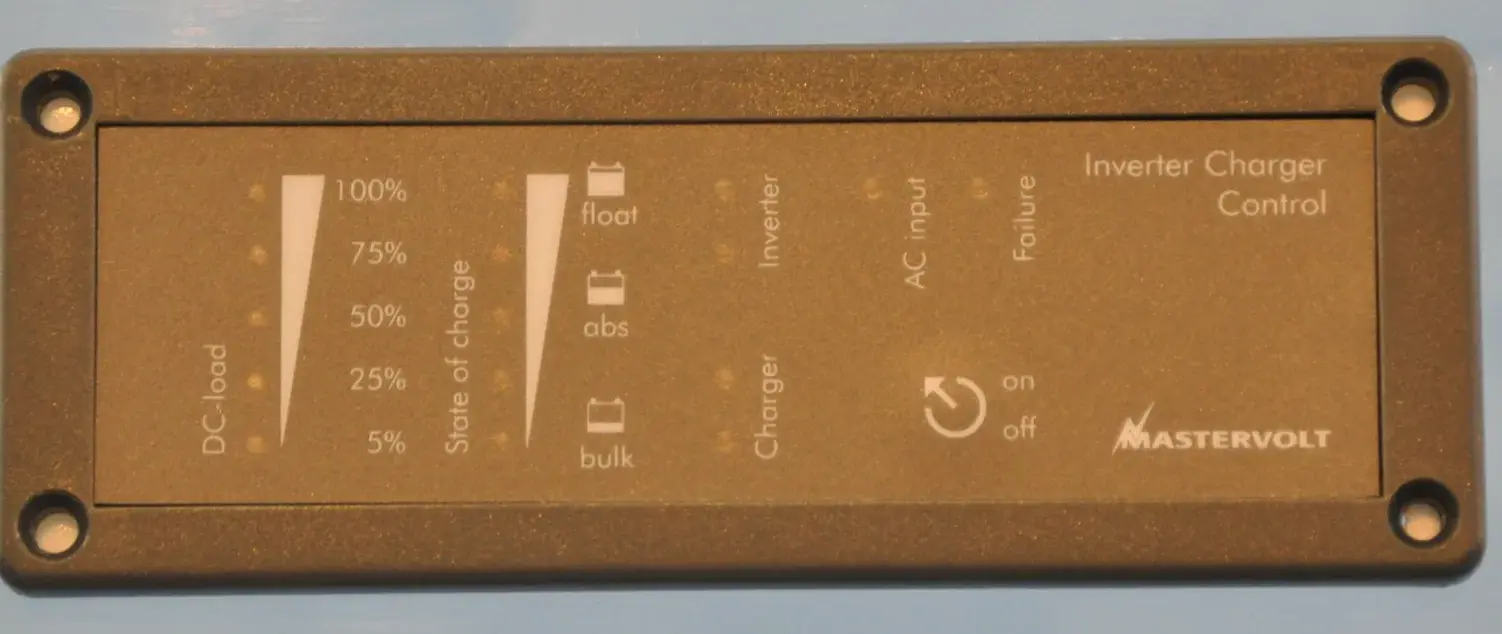
Primary information: ePropulsion release, 5 November 2026, panel announcement; METSTRADE official organiser, 17–19 November 2026, RAI Amsterdam. Hero photograph: marine equipment exhibited at METS in the RAI Amsterdam in 2011 (archival, not a scene from the 2026 event), S.J. de Waard, Wikimedia Commons, CC BY-SA 3.0, resized and converted to WebP. The photo does not depict the announced panel.