Five electric cooking products are on the Amsterdam agenda
French marine galley equipment manufacturer ENO says it plans to show a new induction range at METSTRADE in Amsterdam from 17 to 19 November 2026. In an exhibitor statement dated 25 September, the company described three tabletop induction products and two gimballed cookers, all electric and fitted with power limiters. The development is relevant to yacht owners assessing how electric cooking might fit a cruising programme. It also presents a more concrete range discussion than a general declaration that galley equipment is becoming electric.
The crucial qualification is that ENO's announcement is a preview. It did not publish a complete catalogue of dimensions, zone ratings, prices or installation instructions in the short notice reviewed for this article. Those details should not be inferred from the number of products. The event itself is scheduled for 17–19 November at RAI Amsterdam, meaning the announced presentation lies ahead of the publication date. Prospective buyers and refit managers should look for the full specifications once the company releases them, and assess each unit against their boat's existing energy system.
Three tabletop formats and two gimballed cookers
ENO's statement makes a useful distinction between tabletop induction and gimballed cooker equipment. A fixed cooking surface may appeal to motor-yacht owners with a stable galley counter and an electrical system designed around predictable loads. On a sailing yacht, gimballed equipment can be especially relevant because it is intended to remain more usable as the hull heels. That general distinction is familiar in marine galley design, but the exact functionality and permitted heel angles of ENO's new models have not yet been demonstrated in the source announcement.
For a boat in the 12–23.99m luxury-cruising segment, the best installation will depend on how owners actually prepare meals. A couple using the galley for simple passages has different needs from a family undertaking a month-long cruise with several guests aboard. Cookware compatibility, pan retention, surface arrangement, cleaning, ventilation and counter space are all practical considerations. The new range expands the options to ask about, but a model's suitability cannot be settled from the phrase 'marine induction' alone. Proper measurement and an onboard energy audit remain essential.
What power limiting could change
The most technically interesting part of the preview may be the stated use of power limiters. Induction cooking can be responsive and efficient at transferring heat into suitable cookware, but the total electrical demand still matters, particularly aboard a boat with several appliances competing for limited supply. ENO's brief notice indicates that its models incorporate power-limiting arrangements. It does not explain how those controls operate or provide rated maximum consumption for individual products. Until specifications are released, the feature should be viewed as a design claim rather than a measured saving.
Owners comparing a new cooker should ask whether the limit can be adjusted, how multiple zones share available power and whether the cooker communicates with any wider energy-management equipment. A boat on a modest shore connection may need to balance cooking with air-conditioning, hot water and battery charging. On passage, power may come from an inverter and battery bank or an operating generator. The right system allows the cook to prepare food without triggering protective devices or unexpected power reductions elsewhere. The cooker is therefore an electrical design decision as well as a galley purchase.
A refit question, not only a new-build detail
Marine induction has become a recurring subject in discussions about reducing onboard reliance on combustion appliances, but replacing a cooker is rarely a simple matter of swapping one box for another. Existing ventilation, cabinet construction, pan storage, wiring, circuit protection and cooking habits deserve review. Boats originally designed around gas or liquid-fuel cooking may need changes that are more extensive than a new countertop. Conversely, a yacht whose power system already provides ample alternating-current capacity may have a simpler path to an induction refit.
The ENO preview is interesting because the manufacturer specialises in marine galleys rather than selling domestic equipment as a default substitute. Its METSTRADE exhibitor profile describes a long-established French maker with distribution and servicing arrangements for marine cooking appliances. That commercial context does not prove each new unit's performance, but it does suggest that installation and marine service questions should be addressed through the company and its authorised network. Owners should request marine-specific documentation, warranty terms and recommended installation support before placing an order.
The sailing-yacht angle: motion and restraint
Few galley details are as important on a sailing yacht as stability when cooking at sea. A gimballed cooker is one design response to heel and roll, but safe use still depends on installation, equipment restraints, ventilation and prudent seamanship. ENO has said that two gimballed induction cookers form part of its announced range; it has not in the reviewed notice provided photographs or detailed motion-test results for those models. It would be premature to tell readers that any particular new cooker is ready for a specified offshore programme without those details.
For a cruising sailboat of perhaps 14 or 18 metres, the questions should be practical. Does the unit fit the existing cut-out? How is the gimbal supported? Are pan restraints supplied? Can the cook operate the controls safely when the boat moves? What happens if the inverter reduces output? Are service parts and qualified installers available in the intended cruising grounds? Those questions are not objections to induction. They are the standard engineering questions that turn an attractive technology into reliable everyday equipment. The upcoming exhibition gives buyers a chance to put them directly to the manufacturer.
France-made and serviceable: claims to examine
ENO states that the forthcoming induction range is made in France using quality components. Its company profile also emphasises repairable cooking products and an international distributor network. For owners planning to keep a yacht for many seasons, repairability can be a more meaningful benefit than a small difference in initial purchase price. An appliance that requires proprietary parts or specialist knowledge should be assessed against the cruising itinerary and available service network. This is particularly important for yachts spending long periods away from their home marina.
The announcement provides an opportunity to ask for spare-part diagrams, service documentation and a realistic description of what can be repaired aboard or by an authorised technician. Questions about glass surfaces, electronics, control boards and power modules will help distinguish a serviceable design from a marketing statement. It is also worth seeking certification and compatibility data relevant to the vessel's intended market. The fact that a product is shown at a trade exhibition is not itself a certification or an assurance that a particular installation will meet applicable electrical standards.
What prospective buyers should look for in November
At METSTRADE, the most useful demonstration would go beyond a pan heating on a display counter. Yacht owners, designers and installers need a clear table of power ratings, physical dimensions, available modes and installation requirements for all five products. They will also want to understand how the limiters behave under real cooking loads, and whether the gimballed models include restraints appropriate for use in motion. ENO's official exhibitor listing confirms its appearance at the show and provides a route to the company's own product information.
Visitors planning a refit should arrive with the existing cooker's dimensions, a photograph of the electrical installation and a summary of how the yacht normally uses shore, generator and inverter power. These details allow a more substantive conversation than asking which cooker looks most elegant. Those considering a new yacht may involve the naval architect and systems designer earlier, avoiding the compromises that arise when galley loads are considered at the end of the design process. The manufacturer will need to supply the definitive data before any purchasing recommendation can be justified.
A useful development, pending full specifications
ENO's announcement is modest in length, but its combination of tabletop and gimballed induction products makes the range relevant across different kinds of cruising yachts. It recognises that cooking arrangements on a performance sailboat can differ markedly from those on a motor cruiser. The company's mention of integrated power limiters also addresses one of the practical constraints most often encountered in moving from fuel-fired to electric galley equipment. Those are legitimate reasons to watch the launch, without turning an exhibition preview into a claim of proven onboard performance.
The original sources for this report are ENO-Force 10's own METSTRADE exhibitor announcement and company listing, together with the organiser's confirmed 2026 event information. Product quantities, planned timing, location and the France-made claim are attributed to the manufacturer. No unannounced prices, capacities, standards or performance comparisons have been invented. For LYG readers cruising in yachts from 12 to just under 24 metres, the next useful milestone will be detailed specifications and installer guidance that show how the new cookers can work within an actual yacht's electrical limits.
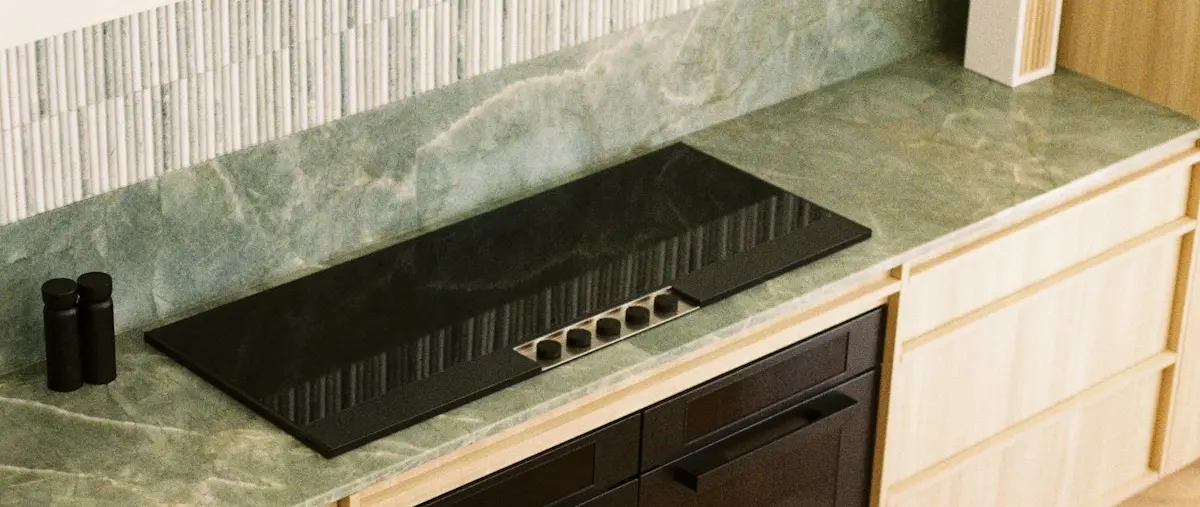
Image credit: Induction cooking surface photographed by Grace Anne Bobadilla. Original photograph, used under the Unsplash License. The lead photograph is illustrative and does not depict an unverified product or berth.