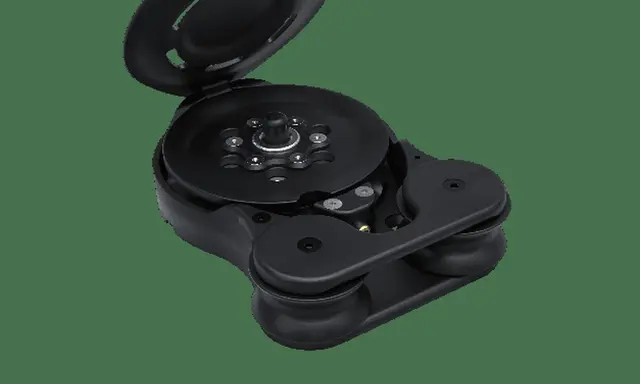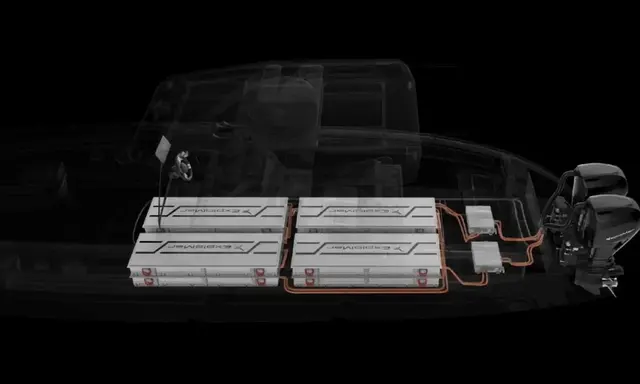
Cayago AG is showcasing its SEABOB Safety Case in the METSTRADE 2026 Superyacht Zone, bringing attention to the way lithium-ion-powered water toys are stored and managed aboard yachts. The manufacturer's official product listing describes a protective enclosure equipped with an automatic extinguishing system, a catalyst intended to deal with harmful gases and connectivity that allows users to monitor the equipment through a smartphone or tablet. Cayago states that the case meets the requirements of the United Kingdom's Marine Guidance Note MGN 681(M), but the scope and evidence of that claim must be checked against the actual vessel, equipment and installation. The page is a current product showcase rather than a dated announcement proving that the case first launched during the November exhibition. For owners of 12- to 24-metre luxury yachts that carry SEABOBs or other powered water toys, it raises an immediate issue: recreational equipment can be a major part of the onboard experience, but the battery systems behind it need careful technical management. A storage case may support that work; it does not replace the yacht's fire plan or professional risk assessment.
The growth of powered water-toy programmes
A luxury yacht may carry electric underwater scooters, powered boards, battery-operated diving support equipment and other leisure products. Guests enjoy the freedom to explore bays and experience the water in ways that a conventional tender trip cannot provide. Yet the equipment creates work for the crew before and after every outing. Batteries need appropriate charging and storage, products should be inspected for damage and the garage must remain organised. The more devices carried, the greater the need for a consistent inventory and clear responsibility. Cayago's product addresses one part of that larger routine. Its value should be judged by whether it genuinely improves how the yacht manages risk, not simply by the number of toys that can be placed in a container.
What the official catalogue actually claims
The METSTRADE product page identifies the SEABOB Safety Case as an enclosure for lithium-ion-powered water toys, especially SEABOB devices. Cayago says it includes an automatic extinguishing system and a catalyst that filters or neutralises harmful gases. It also promotes monitoring through a smartphone or tablet and references MGN 681(M). These are manufacturer descriptions, not independently verified findings from a full test programme supplied in the short public listing. The page does not establish universal compatibility with all lithium battery chemistries, charger configurations or water-toy models. Buyers should request precise product documentation and determine which devices the supplier has tested. An attractive case can become a useful safety component only when its limits are understood.
Why lithium batteries require attention
Lithium-ion batteries store significant energy and can present fire and smoke hazards if damaged, improperly handled or affected by faults. That does not mean every water toy is likely to fail, but it does justify careful storage, inspection and charging procedures. Salt water exposure and repeated movement in a yacht garage can add practical challenges. The owner should ask the crew to maintain a record of batteries, chargers, maintenance and any incidents. The correct handling instructions depend on the product and should come from the manufacturer. A protective enclosure may reduce some risks within its approved conditions, but it cannot guarantee that failure will never occur. Good safety practice begins with preventing avoidable damage and recognising warning signs early.
A case is not the whole fire-protection system
A yacht's fire protection arrangements involve detection, alarms, ventilation, crew response and other equipment selected for the vessel's regulatory status and use. Cayago's reference to automatic extinguishing equipment should therefore be interpreted as part of a potential layered approach. The product listing alone does not demonstrate that the surrounding garage can be entered safely after a battery incident or that the case will contain every possible event. The shipyard and safety advisers should assess how the enclosure interacts with the boat's existing systems. Crew must retain the vessel's established emergency procedures rather than depend on a single branded accessory. The most dangerous misunderstanding would be to treat the presence of a protective case as a substitute for professional fire-risk management.
The role of harmful gases
Battery failures can release smoke and gases that create serious hazards in enclosed spaces. Cayago describes a catalyst within the Safety Case intended to filter out or neutralise harmful substances. The exact substances, concentrations and conditions addressed are not established in the short public catalogue description. Owners should request test evidence and determine what the claim actually covers. A statement about gas treatment should never be understood as permission for unprotected crew to approach or open a container after a suspected incident. The captain should follow an emergency plan appropriate to the yacht's hazards and regulatory framework. Equipment intended to mitigate one consequence of a failure does not eliminate the need to protect people from other consequences.
What MGN 681(M) means for owners
The manufacturer states that its case meets the requirements of the UK's Marine Guidance Note MGN 681(M). A marine guidance note contains recommendations or guidance that need to be interpreted in the correct context; it is not a blanket approval of every piece of equipment installed on every yacht. The purchaser should obtain the supplier's supporting evidence and confirm how it applies to the vessel's flag, registration and planned operation. Private and commercially operated yachts may face different requirements. The installation's location, ventilation and interfaces may also matter. Responsible reporting attributes the compliance statement to Cayago until the relevant documentation has been reviewed. Owners should seek advice from appropriately qualified marine safety professionals before relying on the claim.
Storage and charging should be distinguished
A container designed for storage is not automatically safe for charging. Lithium batteries can be subject to different requirements when connected to electrical supply, particularly if a fault develops during the charging process. The SEABOB Safety Case's public description does not provide sufficient detail to assume that every compatible toy can be charged inside it. Owners must ask the supplier to specify whether charging is permitted, in which configurations and with what approved connections. Crew should use only suitable chargers and follow the toy manufacturer's procedures. A tidy garage can still contain unsafe arrangements if equipment is plugged into improvised adaptors. Good management separates the convenience of storage from the technical demands of charging.
Monitoring through a connected device
Cayago promotes connectivity that allows the case to be monitored through a smartphone or tablet. Remote access could help the crew check selected conditions without opening the container, depending on the actual sensors and features provided. However, a phone-based interface should not be assumed to replace the yacht's fixed alarms or watchkeeping procedures. The reliability of alerts may depend on a local network, power and software configuration. The technical team should establish which conditions are detected, how warnings are communicated and what happens when connectivity fails. Access should be restricted to authorised personnel. A connected safety accessory is most effective when it forms part of the yacht's documented monitoring arrangements rather than becoming another isolated application.
The practicalities of a 12–24m yacht garage
Smaller luxury yachts may have limited space for powered toys, even when the owner values an extensive leisure programme. The crew might store equipment in a tender garage, beach-club compartment or another dedicated location, depending on the boat's design. A safety case adds its own dimensions and handling requirements, so the installation should be surveyed before purchase. The yacht needs clear access for inspection and a way to secure the enclosure against movement. The case should not obstruct a required escape route or essential maintenance equipment. Its actual weight, capacity and compatible product list are important questions that cannot be answered from a short marketing description alone.
Saltwater exposure and inspection
Water toys are frequently launched into salt water, then returned to the yacht while still wet. The manufacturer may specify washing and drying procedures to protect electrical components and maintain safe operation. Owners should ensure crew follow those instructions rather than assume a protective case can solve problems caused by poor care. Batteries and connectors should be inspected according to the relevant product manuals. If a toy is damaged, the response should follow the manufacturer's guidance and the yacht's emergency arrangements. A storage system works best when equipment is in suitable condition before being put away. Careful post-use routines can reduce the likelihood of discovering a fault only after the garage has been closed.
Guests see pleasure; crew see a system
The most successful water-toy programmes allow guests to enjoy an activity without waiting through complicated preparations. Deck crew may inspect the toy, explain controls, establish the permitted operating area and arrange appropriate supervision before launch. After use, they must recover, clean and store the equipment. A dedicated safety case could become one part of that process, but it should not make preparation needlessly slow or tempt staff to skip checks. The crew should understand why the case is used and which procedures remain necessary. Owners benefit when enjoyment is supported by well-designed routines that are almost invisible to guests. Leisure equipment is part of hospitality, but safe operation remains a professional responsibility.
A newbuild can accommodate the whole programme
When a new yacht is being designed, the owner can establish the intended collection of tenders and toys before the garage arrangement is finalised. The shipyard can consider equipment sizes, battery handling, ventilation and service access together. A protective enclosure may be easier to integrate at this stage than during a later refit. It should be included in the complete fire-risk assessment, rather than selected as an afterthought. The design may also need room for future replacements as battery-powered toys evolve. A garage built around only one device can become inflexible. The best arrangement supports the actual leisure programme while retaining the ability to inspect and maintain equipment properly.
Retrofitting an existing yacht
A refit may present an opportunity to improve storage practices for powered toys. The first step should be to identify the equipment carried and understand the current hazards and arrangements. The owner may find that additional battery monitoring, revised charging procedures or changes to compartment layout are needed alongside any protective case. The yacht's engineer should review the proposed location and confirm that the case can be secured and serviced properly. New equipment should not interfere with existing fire-protection systems or create restricted access. The costs may extend beyond the purchase price to installation and crew training. A practical refit is one that improves the complete safety programme rather than merely adding an impressive-looking container.
Crew training and emergency planning
A safety product is not self-explanatory merely because it is advertised as automatic. Crew should receive the relevant operating instructions and understand the limits of the case and its monitoring functions. They need a clear response plan if equipment appears damaged, overheated or otherwise abnormal. A suspected battery incident may require isolating the compartment and following the yacht's emergency procedures rather than attempting to handle the affected device. Training should include ordinary handling as well as emergency scenarios. The owner should retain product documentation and service records, and management should review procedures whenever the water-toy inventory changes. The human response remains a vital part of managing battery hazards.
Maintenance of the safety case itself
An enclosure containing extinguishing or gas-treatment components may have maintenance and replacement requirements that differ from ordinary storage equipment. Cayago's public description does not state all service intervals, so owners should request a detailed schedule. The condition of seals, sensors, closures and internal systems may affect how the product performs. The crew should keep records and arrange service through appropriate channels. A case installed once and forgotten for several seasons may not provide the confidence the owner expects. Long-term support and availability of spare parts are important for yachts cruising far from their home port. Good maintenance ensures that the accessory continues to serve its intended role as the equipment inside and around it changes.
Claims that deserve evidence
The catalogue mentions automatic fire suppression, gas neutralisation and compliance with MGN 681(M), but the short entry does not supply the complete technical basis for these claims. Buyers should seek specific information about tested battery types, applicable standards, safe operating limits and conditions of installation. Independent assessment can help determine whether the product supports the yacht's requirements. It is also important not to imply that a particular flag administration has approved an installation simply because the product is promoted as compliant with a guidance note. Credible decisions require precise documents. That diligence protects owners from confusing safety-themed marketing with a complete engineering solution.
The relevance of the 2026 METSTRADE display
Cayago's Safety Case is featured in the official METSTRADE 2026 Superyacht Zone product catalogue, making it a current showcase for yacht builders, managers and owners assessing powered-toy storage. The publicly available entry does not establish a specific November first-launch date or identify a completed yacht installation. Its news value lies in the attention it brings to battery risk in an increasingly electrified leisure equipment market. More yachts are carrying sophisticated rechargeable products, and their operation needs to be considered in the same professional way as other technical systems. The case is one potential tool, subject to proof of the performance claims and appropriate integration with the vessel.
The pleasure of water sports depends on preparation
SEABOBs and other powered toys can be highlights of a cruising holiday, but the moments guests remember are supported by careful work behind the scenes. Cayago's Safety Case illustrates how suppliers are responding to the need for structured storage and monitoring of lithium-powered leisure products. Owners should evaluate it against their particular toys, garage and applicable safety requirements rather than assume it offers universal protection. The most successful arrangement allows people to enjoy the water while the crew handles equipment consistently and responsibly. An accessory becomes genuinely useful when its performance is documented, its limitations are understood and it helps the yacht operate safely without compromising the pleasure of being aboard.
Primary source: Cayago AG, official SEABOB Safety Case product listing in the METSTRADE 2026 Superyacht Zone. Fire suppression, gas treatment, monitoring and MGN 681(M) claims are supplier-reported and require independent, vessel-specific assessment.
Sources and image credits
Reporting based on Cayago AG official SEABOB Safety Case product showcase in the METSTRADE 2026 Superyacht Zone.
Lead photograph: Cayago SEABOB Safety Case original third gallery image showing water-toy battery safety enclosure. Manufacturer-supplied Cayago SEABOB Safety Case original third gallery photograph from the official METSTRADE 2026 product page. Original official image source.