An additional motor choice in the 2026 marine catalogue
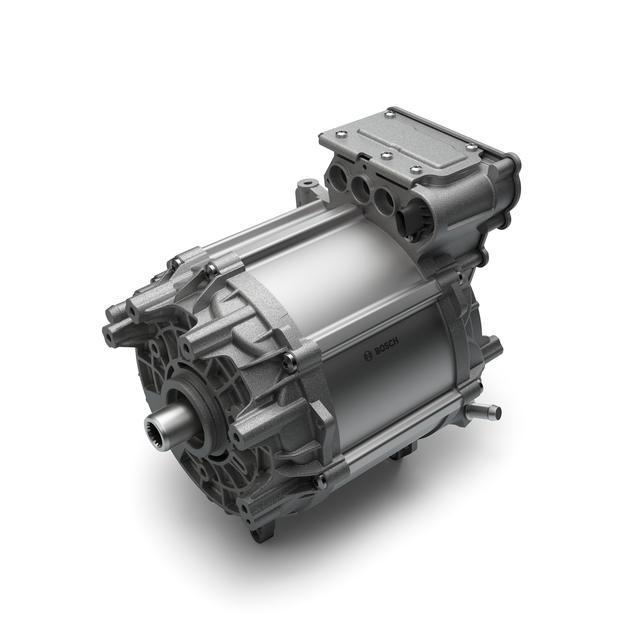
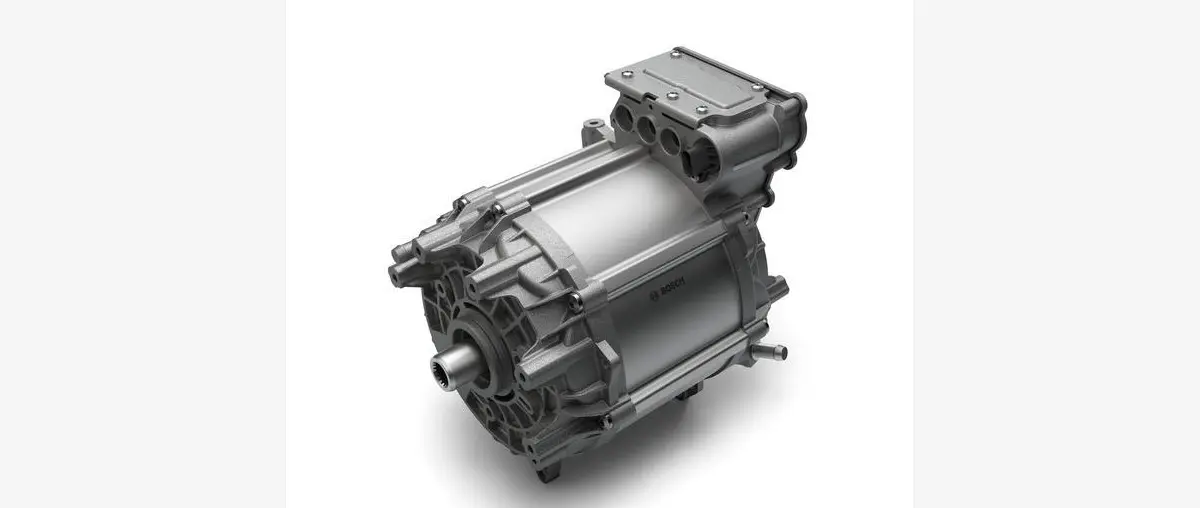
Bosch Engineering has placed a 400-volt electric motor rated at 120 kilowatts in its official METSTRADE 2026 product catalogue, providing another specification for builders considering electric or hybrid yacht propulsion. The manufacturer describes a permanent-magnet synchronous machine with compact dimensions, high power density and the ability to form part of a system supplied with suitable inverters and gear units. Its listing is dated 6 November 2026. For owners of 12-to-23.99-metre luxury yachts, the important point is not that a specific boat has been announced with this motor, but that a familiar engineering supplier is offering another option in a power range that may be relevant to a carefully designed drivetrain or auxiliary application. A component announcement does not establish the range, speed or running costs of any completed vessel. Those outcomes depend on the hull, propeller, electrical supply, installation and the way the yacht is actually used.
What Bosch states about the equipment
The first-party product page identifies a 400-volt permanent-magnet synchronous motor in the 120-kilowatt class and emphasises compact packaging. Bosch says its motor can be combined with inverters and gear units for system solutions matched to the application. It also presents the size of the machine as potentially beneficial for conversions where existing engine-compartment space is restricted. These are supplier claims rather than independent sea-trial measurements. The short catalogue entry does not establish a universal continuous output rating under every cooling condition, or the exact mass and efficiency of a completed propulsion package. Buyers should request the current technical datasheet and understand which ratings apply to continuous operation, short periods of peak demand and different shaft speeds. Comparing isolated motor advertisements without those details can produce misleading conclusions about suitability for a real yacht.
Why the 120kW figure matters
Electric motor selection begins with the power and torque needed by the intended load. In a displacement yacht, the relationship between shaft speed, propeller diameter and hull resistance may differ substantially from that of a high-speed planing boat. A 120-kilowatt motor can be a serious component, but it is not proof that a yacht of a particular length will achieve a desired cruising speed. The system might be used alone, as one of a pair or in a hybrid arrangement, depending on engineering requirements. The manufacturer has not identified a specific 12-to-23.99-metre vessel using this product in the catalogue. The right procurement process therefore begins with a naval architect's powering study and an electrical engineer's assessment of how the proposed motor delivers torque throughout the intended operating range. Component power should follow the vessel requirement, not define it after the fact.
Permanent-magnet construction and the control system
Bosch describes the design as a permanent-magnet synchronous motor. Such machines use a controlled rotating electrical field to drive a rotor and generally require an appropriate electronic controller. This arrangement can provide compactness and precise control, but it introduces a dependency on correctly matched power electronics and software. A yachtbuilder should not view the motor as a standalone replacement for a diesel engine. The inverter must supply compatible current and control signals, while suitable gear ratios may be needed to match the electric motor's speed to the propeller. Thermal monitoring and fault responses also form part of the system. The manufacturer's mention of integrated solutions involving gear units is relevant because installation quality often depends more on the complete drivetrain than on the headline characteristics of a single motor. The engineer needs detailed control documentation and commissioning tests, not only a wiring diagram.
The 400V electrical architecture
A 400-volt powertrain requires a significantly different distribution and protection approach from the low-voltage domestic circuits commonly found on yachts. The designer must account for appropriate cabling, insulation, disconnects, monitoring and the safe handling of high-voltage components. Batteries or other sources must be matched to the inverter's needs and the agreed operating modes. Higher-voltage equipment can help manage current in some high-power applications, but the system also requires trained personnel and clear service procedures. Existing engine rooms may not have been laid out for the necessary electrical separation and maintenance access. The yacht's flag, class and insurer may have requirements that need to be addressed before components are ordered. In practice the cost and complexity of adopting 400 volts should be assessed at vessel level. The motor's compactness does not mean the overall installation will be smaller in every case.
Battery endurance is a separate calculation
A motor's rated power is measured in kilowatts; a battery's stored energy is measured in kilowatt-hours. Those figures describe different things and should not be confused. The time a yacht can operate electrically depends on how much power is actually drawn while underway, the usable battery energy and losses throughout the drivetrain. A yacht requiring relatively little power at displacement speed may achieve a different result from the same vessel accelerating or running in difficult conditions. Domestic equipment is also drawing electricity while the boat is in use. Owners should require an energy model that covers typical cruising, harbour manoeuvring, reserves and the available charging arrangements. The Bosch catalogue does not provide enough information to infer an overnight or passage endurance figure for any yacht. Claims that a 120-kilowatt motor necessarily gives a particular range would be invented rather than reported.
Retrofits must start with a survey
The supplier's reference to compact dimensions may appeal to an owner investigating conversion of an existing propulsion system. Nevertheless, removing a combustion engine and installing an electric motor changes several engineering relationships. The gearbox, shaft alignment, mounts, exhaust arrangements, cooling circuits and machinery foundations may all need review. A retrofit also requires somewhere to place batteries, control equipment and protective devices without impairing the vessel's stability or safe access. If the conversion retains a combustion engine as part of a hybrid system, interfaces may become more complex. A proper feasibility study should identify the vessel's intended use, the cost of structural and electrical work and the path for servicing the installation. The most effective project may be one that modifies a limited part of the machinery arrangement rather than replacing everything. That decision should be driven by technical evidence, not a simple comparison of motor dimensions.
The practical advantages of electric manoeuvring
Electric propulsion can offer precise control and potentially quieter operation under suitable conditions. Those characteristics may be attractive to an owner approaching a berth or navigating a sheltered waterway. However, the handling result depends on the drivetrain controller, propeller and the vessel's response, not simply whether the machine is electric. Owners may also want redundancy if a fault occurs while manoeuvring. A hybrid configuration might preserve another source of propulsion, while a fully electric system requires a different safety strategy. Equipment should be tested through realistic scenarios, including changes of direction and operation near the limits of available power. The captain should understand which alarms signal a reduction in capability and whether the motor can continue at a limited output. A useful sea trial demonstrates the control behaviour with the actual hull and electrical installation rather than only showing the motor turning at a workshop bench.
Cooling and the marine environment
Motor and inverter efficiency does not remove heat generation. A sustained propulsion load can require significant thermal management, and the design must accommodate the temperatures expected in the engine room or technical compartment. On a yacht, equipment may be exposed to humidity, salt and vibration. An industrially developed motor can provide a sound starting point, but the installer still needs to confirm the environmental limits and marine-specific requirements. The cooling arrangement should be maintainable and appropriately monitored. If seawater heat exchangers are involved, inspection and cleaning procedures become part of the service schedule. A manufacturer description of compactness is insufficient to establish that all associated hoses, pumps, filters and electrical connections will fit without compromising access. An owner should ask for a complete installation envelope, including the working space technicians need to perform routine maintenance safely.
Comparing Bosch's other 2026 offerings
Bosch Engineering has listed several electric motors in its 2026 exhibition portfolio, including a lower-power 400-volt option and an 800-volt machine in the 200-kilowatt class. Those are distinct engineering products, not interchangeable ratings of one universal unit. The 120-kilowatt entry occupies a different position in the manufacturer's offering and should be compared on the basis of its actual voltage, torque curves, mass and supported interfaces. A builder considering a particular yacht may find that one motor has a more appropriate operating range or gives better packaging than another, even if the second has a higher headline power rating. It would be misleading to assume that greater maximum kilowatts necessarily means a better propulsion installation. Gear ratios, efficiency under normal conditions and the complete system cost may matter more in everyday cruising. The manufacturer's portfolio creates choices, but it is the application study that determines which choice is sensible.
Ownership costs and service support
An electrically powered yacht may avoid some maintenance tasks associated with conventional engines, yet it introduces equipment with its own inspection and replacement needs. Batteries, power electronics, cooling and high-voltage protection all require an appropriate service programme. The owner should ask which components are field-repairable, what spare parts are available and whether qualified engineers can support the system in likely cruising regions. Warranty terms should distinguish the motor from other parts supplied by the system integrator. If a yacht is resold, clear technical records become important for the next owner and surveyor. A conversion that has been poorly documented may be difficult to insure or service, even if it functions satisfactorily during a demonstration. The economic comparison should include acquisition, installation, energy consumption, inspections and realistic replacement scenarios across several years.
An informed component choice, not an automatic breakthrough
The 120-kilowatt 400-volt Bosch machine is relevant because it adds another industrially developed option to the marine electrification supply chain. The official source establishes its power class, underlying motor design and the supplier's intent to offer compact integrated solutions with suitable inverters and gearing. It does not establish specific yacht performance, fuel savings or the cost of a completed conversion. For luxury yachts between 12 and 23.99 metres, designers should begin with the vessel's actual propulsion duty and only then select equipment whose characteristics have been verified against that requirement. Well-integrated electric systems may provide useful control, flexibility and quieter periods of operation, but they remain demanding engineering projects. The long-term significance of Bosch's portfolio will be seen in supported installations, honest performance data and the ability to maintain equipment through years of cruising.
Sources and image credits
Reporting based on Bosch Engineering first-party 400V 120kW motor description, 6 November 2026, in official METSTRADE product catalogue.
Lead photograph: Bosch Engineering's 120kW 400V Motor Broadens Mid-Size Yacht Electrification Options — original manufacturer photograph. © Bosch Engineering GmbH Original official image source.