A different location for the anchor alarm
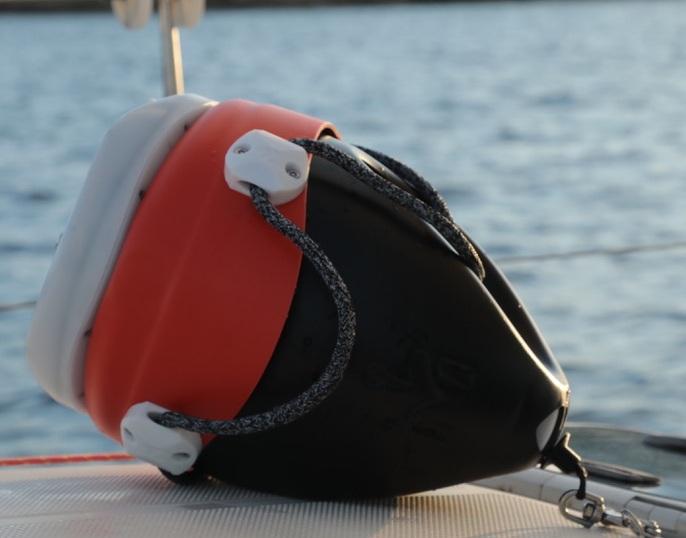
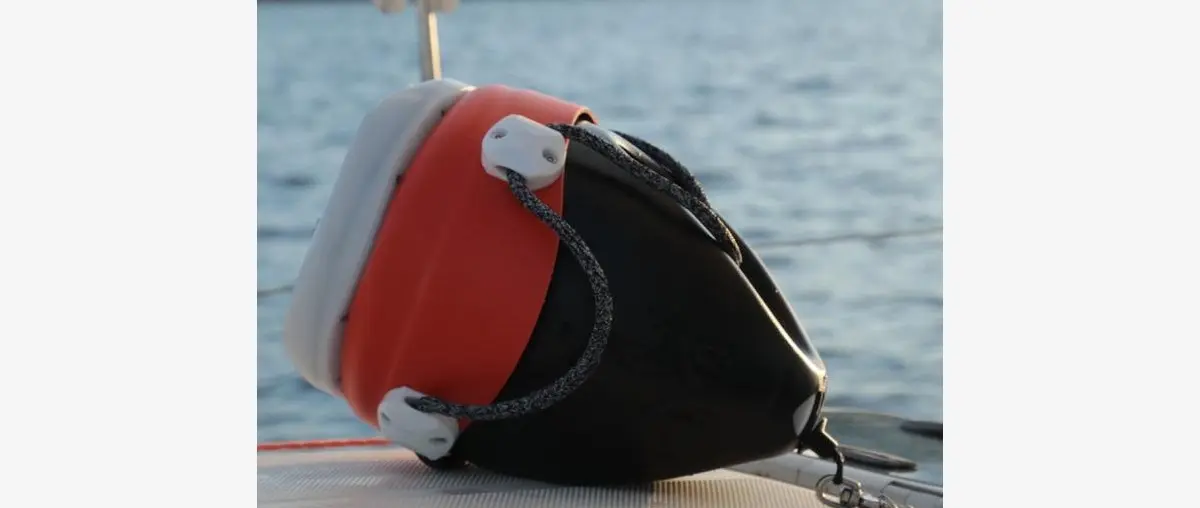
French developer Mooring Solution is presenting its Morphéis smart anchor buoy in the 2026 METSTRADE exhibitor catalogue, describing a device that monitors the position of a buoy placed above the anchor rather than relying solely on the yacht's GPS position. The manufacturer says the buoy communicates with an onboard receiver and can issue alerts to a phone, while a self-retracting line and solar-powered electronics are intended to support use at anchor. The product listing is dated 26 January 2026, so it should not be described as a new launch on 23 November. It is a current technology option for owners of luxury yachts between 12 and 23.99 metres who regularly anchor overnight and want a different form of information about their ground tackle. The important distinction is between a technically interesting monitoring arrangement and a guarantee of anchoring security. No buoy can compensate for choosing an unsuitable anchorage, deploying inadequate scope, or neglecting the vessel's position and the conditions around it.
What the manufacturer claims
The original exhibitor entry describes Morphéis as a GPS-equipped smart anchor buoy, designed and manufactured in France, positioned above an anchor using a retracting line. It states that the device follows the anchor's position, reports movement through a radio link to a receiver aboard and can then notify an owner by SMS. The source also promotes solar autonomy and an absence of false alarms caused simply by the yacht swinging around an anchor that remains set. These claims define the system's intended purpose but require careful interpretation. The public listing does not present a complete GPS-accuracy test across all sea conditions, the radio range of every installation or a verified alarm rate for all environments. Statements such as “never” generating false alarms are marketing claims, not independent guarantees. Owners should ask the supplier for test methods, specifications and practical demonstrations, and remain alert to ways in which real anchoring conditions can defeat simplified assumptions.
Why tracking the boat can be misleading
Many ordinary anchor alarms use the yacht's own GPS position and an expected swinging circle. They can be useful when set up correctly, but the yacht's movement reflects several influences: wind, current, the length of rode deployed and the way the vessel rotates around the anchor. When the wind changes direction, the boat may travel a considerable distance across the permitted arc even though the anchor remains firmly embedded. A simple alarm with poorly selected radius settings can therefore signal an event that is not actual dragging. Conversely, an anchor moving a short distance might be difficult to distinguish from the yacht's normal movement under some conditions. Placing a position sensor near the anchor is an alternative way to examine the problem. It is not the only useful method, and the yacht should still maintain its own position monitoring and visual awareness. The strongest system combines several sources of information rather than making one alarm definitive.
Positioning the sensor above the anchor
The Morphéis design places the GPS electronics in a buoy at the surface, while a line connects it to the anchor area below. This allows the buoy to receive satellite signals without attempting to operate a GPS receiver underwater, where satellite navigation does not function in the same way. The distinction is important when interpreting the claim that the system “tracks the anchor itself.” It monitors the position of a surface device linked to the anchor, not a satellite transmitter embedded in the buried flukes. Wind, current, the buoy's own drift, line tension and the geometry of that connection may affect the relationship between buoy location and exact anchor location. The manufacturer should explain how the system accounts for these conditions and identifies movement that is operationally significant. A sensible commissioning procedure would compare observed behaviour in a secure anchorage with the alarms and data displayed aboard.
A retracting line changes the deployment task
The company describes a spring-loaded, self-retracting line intended to keep the buoy connected and reduce loose rope around the anchoring arrangement. That could make the device more convenient than a conventional floating marker connected by a fixed length of line, but the exact range of depths and permitted movements must be confirmed. A cruising yacht may anchor in significantly different depths from one bay to another. Tide, swell and the angle of the anchor rode can also change the relative positions of the bottom tackle and the surface buoy. Owners should ask whether the retracting mechanism has a stated maximum operating depth, how it is protected against fouling and what happens if the line is loaded unexpectedly. The product must not interfere with the anchor setting or retrieval process. A device that complicates handling the anchor under difficult circumstances may undermine the operational advantage it seeks to offer.
Solar power and energy independence
Morphéis is marketed as a solar-powered autonomous buoy. The practical appeal is clear: a device sitting on the water surface can be difficult to connect to permanent electrical supplies, so it benefits from an onboard energy source. Yet solar charging depends on daylight, shading, weather and the efficiency of the photovoltaic components. A buyer should request battery capacity, expected endurance without sunshine and charging performance under realistic conditions. An anchor alarm should not silently stop operating during an extended overcast period without an appropriate warning. The yacht's crew needs to understand how battery state is checked and how the device indicates a low-energy condition. Owners should also ask whether prolonged storage requires a charging or maintenance procedure before the next voyage. A system that is self-powered in ordinary use still needs a documented energy plan and an intelligible method of detecting loss of power.
Radio communication to the yacht
According to the manufacturer, the buoy sends information to an onboard receiver using a radio link. Radio communications are subject to range, interference, antenna placement and the surrounding environment. A yacht with a metal hull, tall superstructure or unusual antenna installation may present different challenges from the boat used during a product demonstration. The receiver should be located where it can maintain suitable communication without interfering with other equipment. Buyers should request the specified operating range and ask what alarm is generated if contact with the buoy is lost. Losing a signal is not evidence that the anchor is holding correctly, and it should not be represented as a harmless event. The crew should be able to distinguish between a genuine movement alert and a communication or battery fault. A reliable monitoring system needs a clear answer for both situations.
SMS alerts provide a second pathway
The manufacturer's description includes alerts that may reach an owner by text message after communication through the onboard receiver. This can be useful if the yacht is left at anchor temporarily, subject to local rules and safe operating practices. But SMS depends on the equipment's communication arrangement and the availability of a suitable mobile network or service. A phone may be turned off, outside coverage or configured to suppress a notification. Remote alerts therefore do not replace an appropriate anchor watch or the responsibility of someone who can act. Owners should know which account or device sends the messages, whether any subscription is required and how the system behaves when a network fails. An onboard alarm should remain useful independently of a remote phone notification wherever the design permits. Important information should never depend solely on one communications channel.
The danger of overconfidence in a quiet anchorage
An electronic device may make an owner feel comfortable while resting overnight, but anchoring remains a dynamic process. A sudden increase in wind, reversing current or swell entering a bay can change the forces on the anchor and rode. Nearby vessels may drag even if the owner's own anchor is secure. The yacht also needs to consider swinging radius, shallow water and underwater obstacles. A buoy monitoring a linked anchor may offer early information about that particular point, but it does not identify every hazard around the hull or predict all possible anchor failures. Crew should continue to use the chartplotter, depth information, weather reports and direct observation as appropriate. A good alarm system supports timely decision-making; it should not be marketed as permission to cease watching the vessel or its surroundings.
Deployment and recovery around other boats
A floating buoy marks a location in the anchorage and may introduce practical considerations around nearby traffic. A motor tender or another yacht could approach the buoy without understanding its purpose or its connection to an anchor below. The owner should ask what visibility or marking arrangements the manufacturer recommends and whether use is restricted in crowded anchorages. It is also important to understand how the buoy is deployed and recovered while the anchor is being handled. The yacht's windlass, chain and other deck machinery can create dangerous pinch points, and the buoy's connection must not become entangled with the rode. A written handling procedure should identify the sequence of operations and crew responsibilities. A device intended to improve anchoring awareness should not create a new obstacle in the path of safe deck work.
Anchor geometry affects the interpretation
Anchoring equipment differs greatly between yachts. Some boats use an all-chain rode, others use mixed rope and chain, and different anchor designs may settle or move differently on the seabed. The buoy's line must be compatible with the geometry and range of depths in which it is used. If the anchor is lying in rock or weed, the observed movement of the buoy might not tell the whole story about how securely the flukes are holding. GPS position also has ordinary measurement uncertainty. The manufacturer should describe how sensitivity thresholds are chosen and how the system separates normal motion from significant dragging. An installation must account for tide and current, especially when the surface buoy may move differently from the anchor itself. Owners should be wary of a universal setting advertised as suitable for all seabeds and anchor configurations.
Testing in a realistic anchorage
Before relying on a new monitoring device overnight, a captain should become familiar with its behaviour during controlled use. A trial can begin in a sheltered location where the anchor is well set and the vessel's position is independently known. Crew can observe how the buoy moves when wind and current change and compare the displayed information with conventional instruments. It is also important to test loss-of-communication behaviour and a low-battery warning where the instructions permit. Deliberately dragging an anchor in a crowded anchorage would be unsafe, so any controlled fault demonstration should be planned with care and appropriate professional oversight. The objective is to understand the information the system provides and how its alarms are interpreted. The manufacturer's product listing alone cannot substitute for that familiarisation.
Privacy and data retention
A connected device reporting an anchoring location may create a history of where a yacht has spent time. Owners and captains should understand whether this information stays aboard, is transmitted to an external service or is accessible to the supplier. The short public listing does not provide a complete data-security or retention policy, and none should be invented. If the product uses remote communications, secure account controls and appropriate management of phone recipients matter. A crew member who leaves the vessel's employment should not continue to receive location alerts without authorisation. These matters are not unique to Morphéis, but they become increasingly relevant as simple deck equipment incorporates GPS and connectivity. A clear data policy can help owners adopt the technology without exposing more operational information than is necessary for its intended safety function.
Commercial and maintenance questions
The manufacturer says it is expanding distribution in Europe and presents the buoy as suitable for demonstration to potential users. Buyers should confirm the support available in their usual cruising areas, including replacement lines, batteries and any service components. A product that floats at the surface may be exposed to UV radiation, spray, impact and accidental damage. Maintenance should include inspection of the buoy body, retracting mechanism and connection to the anchor, following the maker's approved procedures. An owner may also want to know whether the system can be transferred between yachts and what pairing or calibration is required with a different receiver. Such details influence the overall cost of ownership. A prudent captain should retain conventional anchoring methods and not depend on availability of a single proprietary spare part in a remote marina.
The meaning of the 2026 catalogue listing
Morphéis is an identifiable 2026 marine product designed to make anchor movement information more direct by tracking a surface buoy linked to the anchor. Its manufacturer reports autonomous solar operation, a retracting line and a radio-to-receiver communication system with optional SMS alerts. Those characteristics justify evaluation by owners whose yachts spend considerable time at anchor. They do not establish universal freedom from false alarms, a guaranteed detection range or the elimination of watchkeeping requirements. The most important question is whether the information remains accurate and understandable across the depths, currents and anchorage conditions in which the yacht actually operates. If the product meets those tests, it may add a useful perspective alongside existing navigation and safety routines. Its value is in giving the crew another way to recognise a developing problem, not in promising that a small buoy can make every anchorage safe.
Sources and image credits
Reporting based on Mooring Solution manufacturer-authored Morphéis Buoy product entry originally dated 26 January 2026 in the current 2026 METSTRADE catalogue.
Lead photograph: Morphéis Solar Anchor Buoy Tracks the Anchor Rather Than Yacht Swing — original first-party manufacturer photo. © Mooring Solution / Morphéis Original official image source.