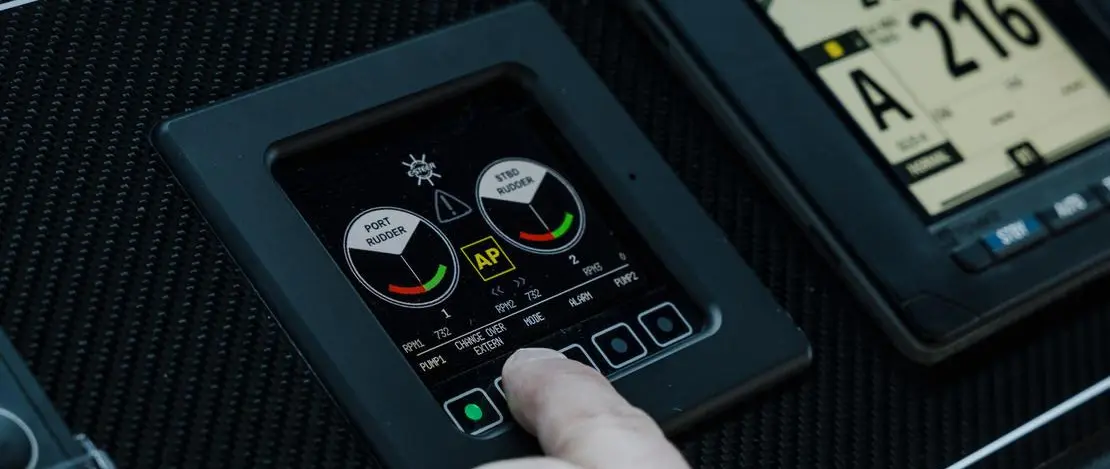
Steering technology beyond a conventional hydraulic wheel
Italian equipment specialist BCS Marine, presented at METSTRADE 2026 through DEMM S.r.l., has outlined an electronic steering-system offering that combines steer-by-wire technology with hydraulic actuators and power units. Its official exhibition catalogue describes closed-loop monitoring, integration with bridge controls and autopilots, and options for configurable redundancy. For owners and builders of motor yachts between 12 and 23.99 metres, these subjects matter because steering systems must give the helmsman dependable control while accommodating increasingly sophisticated bridge layouts. The product is described within the manufacturer's current exhibition portfolio, not announced as a newly launched model on 23 November. Nor does the public listing establish that every yacht can replace its traditional steering equipment without substantial redesign. The value of the story lies in understanding what electronically controlled marine steering can offer, how it should be specified and why safety, serviceability and engineering approval remain central to the installation.
What the manufacturer describes
BCS Marine says its electronic steering systems are designed to combine electronic control with hydraulic components, using feedback to maintain precise rudder response. The listing mentions closed-loop monitoring and the potential for integration with autopilot functions and vessel automation. Configurable redundancy is also presented as part of the approach. These are substantial technical capabilities, but the short catalogue entry is not a complete specification for any particular yacht. Buyers should ask for the current product range, available rudder-load ratings, power requirements, actuator details and supported control interfaces. The manufacturer must explain which functions belong to standard equipment and which require additional modules or a customised engineering package. A steer-by-wire architecture may offer flexibility, but the vessel's actual design must determine how many independent components are necessary and how faults are detected.
Understanding electronic steering
A traditional hydraulic steering system transmits helm inputs through mechanical or hydraulic connections to move the rudder. An electronically controlled arrangement may instead interpret a helm command and use suitable actuators and control equipment to produce the desired rudder movement. That can offer flexibility in where controls are placed and how multiple stations are coordinated, but it also means the system depends on sensors, software and electrical supplies. The helmsman may experience a familiar steering wheel even when the command path is fundamentally different. The important question is what happens between input and rudder response. Engineers should provide understandable diagrams showing sensors, controllers, power units and the method used to confirm the commanded rudder position has actually been achieved. The existence of electronics is not inherently an improvement unless the complete installation performs reliably under normal and abnormal conditions.
Closed-loop monitoring and its importance
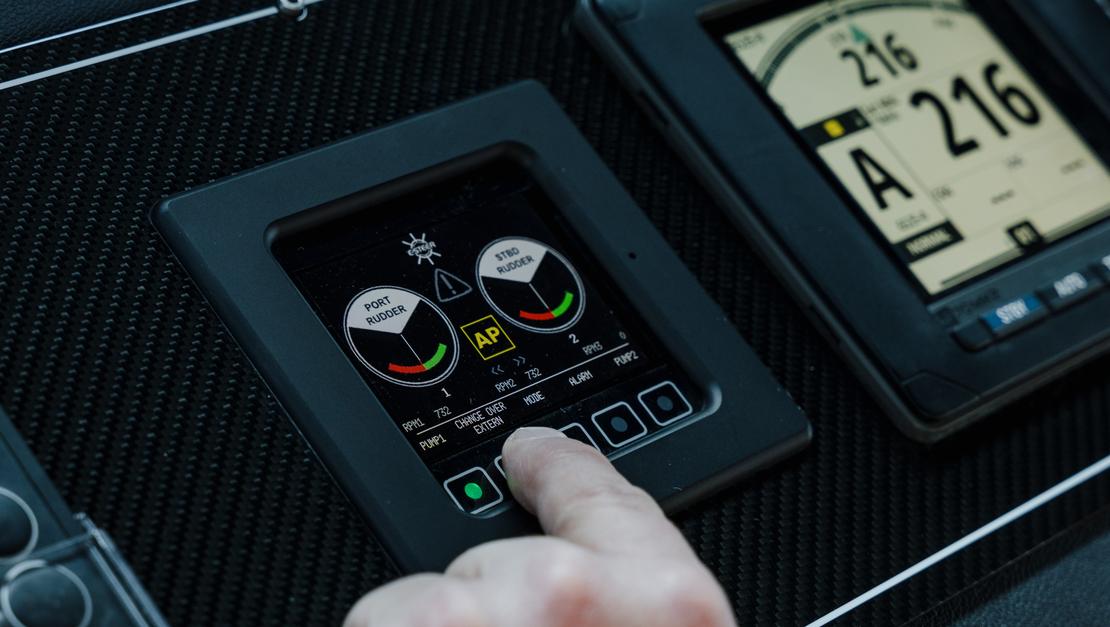
BCS specifically refers to closed-loop monitoring. In such a system, feedback from the steering mechanism can be compared with the command supplied at the helm. The controller may then adjust its output or signal when the observed response differs from what was requested. This concept can support accuracy, but only if the sensors and control logic are appropriate and their failure modes have been examined. A faulty position sensor can create misleading feedback unless the system is designed to detect or manage the problem. Owners should ask how rudder-angle information is measured, displayed and validated. The captain must understand which warnings require reducing speed or changing operational plans. Accurate response also depends on suitable hydraulic power and mechanical components. Software cannot compensate for an actuator that is physically unable to overcome the loads imposed by the rudder in the prevailing conditions.
The continuing role of hydraulic components
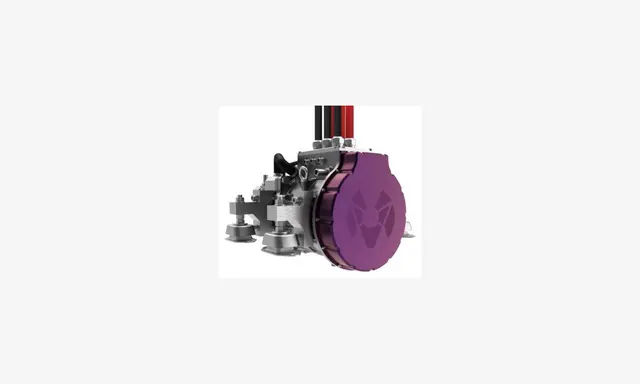
Although the system is described as electronic, the manufacturer's concept includes hydraulic power units and actuators. These components remain subject to the practical considerations familiar to marine engineers: fluid condition, seals, hoses, connections, cooling where required and access for inspection. A hydraulic fault can affect steering even when all digital controls and displays are operating correctly. The equipment selection should therefore account for rudder loads, available operating pressure and the performance of the vessel across its intended speed range. A high-speed planing yacht may place different demands on steering machinery from a heavier displacement cruiser. The manufacturer needs to match the components to the actual rudder design. Owners should not interpret steer-by-wire as the elimination of hydraulic maintenance, but as a different way of commanding and supervising the hydraulic system.
Why multiple helm stations complicate steering
Many luxury motor yachts have more than one steering position, such as an enclosed lower helm and an upper flybridge station. Some also provide a docking position at the side of the vessel. An electronic architecture may help coordinate command transfer among these stations and integrate the controls into the overall bridge design. Yet the system must manage authority clearly so that conflicting instructions cannot be given accidentally. Operators should know which station is active and how control is transferred during manoeuvring. The manufacturer or installer needs to document any confirmation, interlock or alarm behaviour. A display may show the active station, but the helmsman should not need to guess which controls will respond. A well-designed system helps the crew move between positions without uncertainty, particularly when close to a berth or operating with limited visibility.
Autopilot integration is a critical interface
BCS describes compatibility with autopilot and bridge-control integration as an objective of its electronic steering offering. An autopilot may command changes in rudder angle to maintain a heading or follow a planned course, but it depends on accurate sensors and reliable steering machinery. A steer-by-wire system must be designed so that the autopilot can be disengaged and the captain can regain manual control appropriately. The exact behaviour during sensor loss, power interruption or an unexpected command should be tested and documented. Owners should not assume that any autopilot can be connected merely because the steering system supports some form of digital integration. Compatible interfaces, software versions and the approved control architecture must be established. This is particularly important during refits when new steering equipment is being connected to navigation electronics installed years earlier.
What configurable redundancy ought to mean
Redundancy is frequently used as a marketing term, but its value depends on which failures the system can tolerate. An installation might have duplicate control processors, independent power supplies, alternative steering pumps or another approved means of moving the rudder. These configurations provide different levels of fault tolerance. The official BCS catalogue mentions configurable redundancy without specifying one universal arrangement. A yachtbuilder should therefore ask for a detailed description of the proposed configuration and a documented failure analysis. The captain must know which functions continue after a particular fault and whether any limitations are imposed on speed or manoeuvring. Redundancy may be a legal or classification requirement in some cases, while other private craft may follow a different approval route. The appropriate solution must be assessed for the vessel and its operation, not presumed from the presence of duplicated components in a brochure.
Steering feel and helm ergonomics
The design of an electronic steering system can influence the way the wheel feels to the helmsman, depending on the controls supplied and how feedback is implemented. Some owners value a light, predictable steering response; others prefer more resistance and clear information about rudder movement. The manufacturer's short description does not give a universal steering-feel setting or proof that every installation behaves alike. A builder should consider wheel position, display visibility, switch placement and the ability to operate safely during long passages. In a yacht with multiple helm stations, familiar control behaviour can reduce the risk of confusion when switching between them. The owner should experience a realistic demonstration using the relevant system configuration before approving the final setup. A technically advanced control scheme is of limited value if the interface is difficult to interpret while the yacht is moving or the captain is responding to a rapidly changing situation.
Electrical power and failure procedures
Electronic steering requires a dependable power supply for its control and actuation components. The electrical engineer must define which circuits are essential, what protection is provided and how the system behaves when a supply is interrupted. It may be necessary to separate steering equipment from less critical domestic loads. The captain should know what an alarm means and what approved procedures are available if steering response is degraded. The existence of a backup battery elsewhere aboard does not necessarily mean the steering system can use it. Such arrangements need to be engineered and tested. Controls should also be protected from avoidable water ingress and inappropriate modification. A steering installation is part of the vessel's safety-critical machinery, and any software or electrical change should be managed with far greater care than an ordinary convenience feature.
A refit begins with the rudder system
Owners considering electronic steering during a refit should start with a survey of the existing rudder, stock, bearings, tiller arrangements and supporting structure. Upgrading the helm interface cannot correct a mechanical problem in the steering gear. The contractor needs to inspect hydraulic components and establish whether the current actuators are suitable for integration or should be replaced. The project may also require new electrical routes, control panels and access openings. A proper quotation includes testing and commissioning, not simply the price of an electronic control unit. The owner should ask who accepts responsibility for performance of the complete system, especially when existing parts remain in use. A carefully planned refit can modernise the bridge without unnecessary replacement, but the safety case must cover both old and new equipment working together.
Installation and survey requirements
The requirements for a steering system depend on the vessel's flag, class, speed, operating category and other design factors. A 20-metre private cruising yacht may be subject to a different set of requirements from a commercially operated craft, but steering remains critical in both cases. The design team should consult the applicable standards and survey authorities at the beginning of the project. Hardware approvals and test results should be requested for the exact equipment supplied. Manufacturers may support several possible configurations, so an approval for one arrangement does not automatically cover another. Installation documentation should include wiring, hydraulic diagrams, software versions, maintenance instructions and the results of acceptance testing. These records are necessary for future service and can also assist a buyer or surveyor when the yacht changes ownership.
Maintenance across the yacht's service life
Electronic and hydraulic components require different skills, and long-term support should be considered before purchase. The yacht may operate far from its original installer, so a fault needs to be understandable to competent technicians elsewhere. Clear diagnostic information, replacement-part availability and a documented method for updating software can reduce downtime. Crew should maintain service records for the hydraulic system and electrical controls and should inspect relevant connectors and cables according to the manufacturer's instructions. A steering system should not become dependent on an undocumented laptop configuration known only to the technician who commissioned it. Owners need a support plan for years of operation and a clear agreement about warranty responsibilities. The best integrated architecture is one that remains serviceable without unnecessary disruption to the vessel's normal cruising programme.
The relevance to contemporary yacht design
BCS Marine's current electronic steering offering reflects the broader movement toward more integrated bridge systems. Digital control can offer designers flexibility and may support sophisticated monitoring and multiple helm stations, but the final result must remain simple and predictable for the person steering. The manufacturer's catalogue identifies closed-loop control, hydraulic actuation, autopilot integration and configurable redundancy as important elements. It does not establish exact savings, universal fault tolerance or a completed installation on every size of yacht. For the 12-to-23.99-metre sector, the opportunity is to evaluate these technologies against the requirements of a real cruising vessel. Reliable steering is rarely the most visible part of a yacht, yet it is one of the systems on which every voyage depends. Its quality should be measured by accurate response, clear fault behaviour and dependable service throughout the yacht's life.
Sources and image credits
Reporting based on BCS Marine / DEMM first-party electronic steering systems product information at METSTRADE 2026.
Lead photograph: BCS Marine Electronic Steering Systems Bring Closed-Loop Control to Yacht Helms — original manufacturer photograph. © BCS Marine / DEMM S.r.l. Original official image source.